

How Tec de Monterrey maps the future of learning across Latin America
Inside Mexico’s powerhouse of innovation, a small foresight team is turning expert signals and interviews from 15 countries into shared scenarios for lifelong learning education through to 2040.

INSIGHTS FROM
Cintia Smith
Director of Strategic Planning & Foresight, VP Future of Learning, Tec de Monterrey
Johann Weigend Rodríguez
Foresight Specialist, Tec de Monterrey
Danny Sierra
Senior Account Manager, ITONICS
A university examining the future
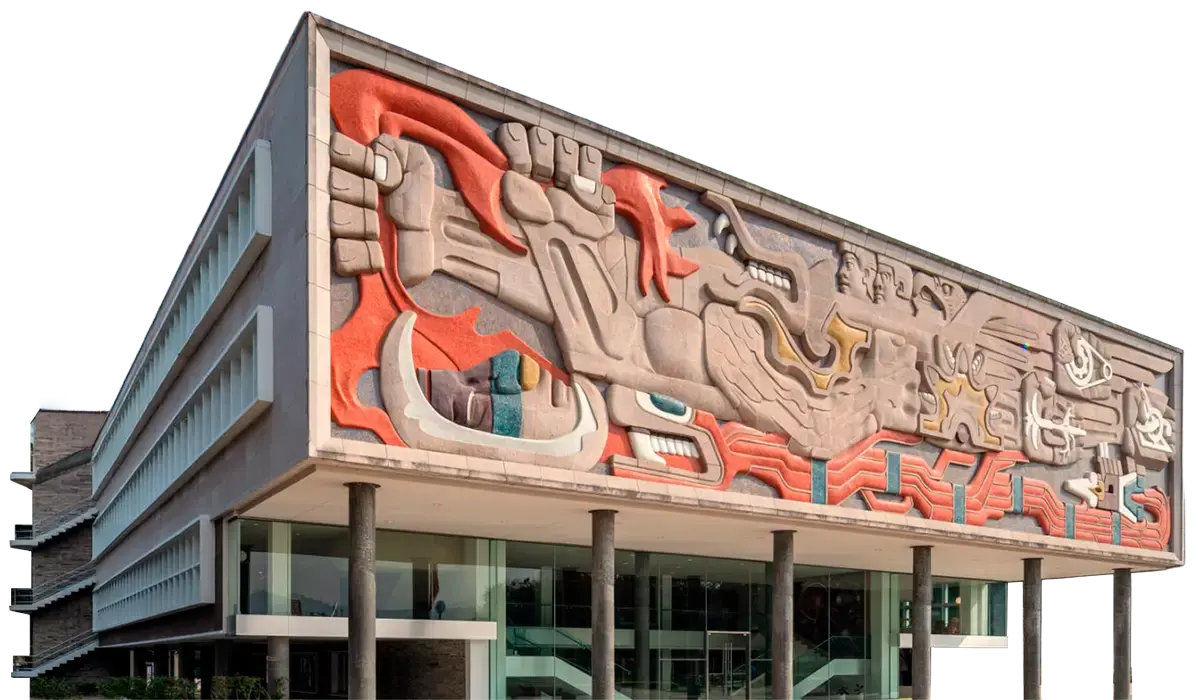
Tec de Monterrey is an influential private university based in the industrial capital of Mexico. Its reach extends well past its own campuses. It co-founded La Tríada with two other top-ranked private research universities in Latin America: the Universidad de los Andes in Colombia, and the Pontificia Universidad Católica de Chile. That influential position is exactly why its foresight team decided to turn the lens on education itself, and to build lasting foresight capacity.
Their objective is to map the future of lifelong learning across Latin America and the Caribbean through to the year 2040, to compel decisions today. This involves the full set of stakeholders who can elevate the regional education ecosystem: governments, businesses, universities and other tertiary institutions, as well as learners young and old.


"Right now, the education ecosystem is not focused on the future. Traditional institutions are very reactive. Our goal is to impact present decisions with a future perspective."
Cintia Smith – Director of Strategic Planning & Foresight, Tec de Monterrey
When foresight ran on spreadsheets
Before the team worked on a structured platform, signals were collected in spreadsheets and connections made manually. That approach does not scale for a study incorporating 40 hours of interviews. Spreadsheets limit the kind of thinking a team can do. Foresight needs several possibilities held side by side.
ITONICS removed those constraints. The team could shape a workspace around their own method rather than adapting the method to the tool, and they could plan against three or four futures at once. What happens if a pandemic returns? What if the region's demographics decline? Those are the type of questions expected for the study, which a spreadsheet couldn’t visualize.


"We see ITONICS as a second brain. People can see that we are not inventing these trends. They connect back to the signals and the interviews themselves."
Johann Weigend Rodríguez, Foresight Specialist, Tec de Monterrey
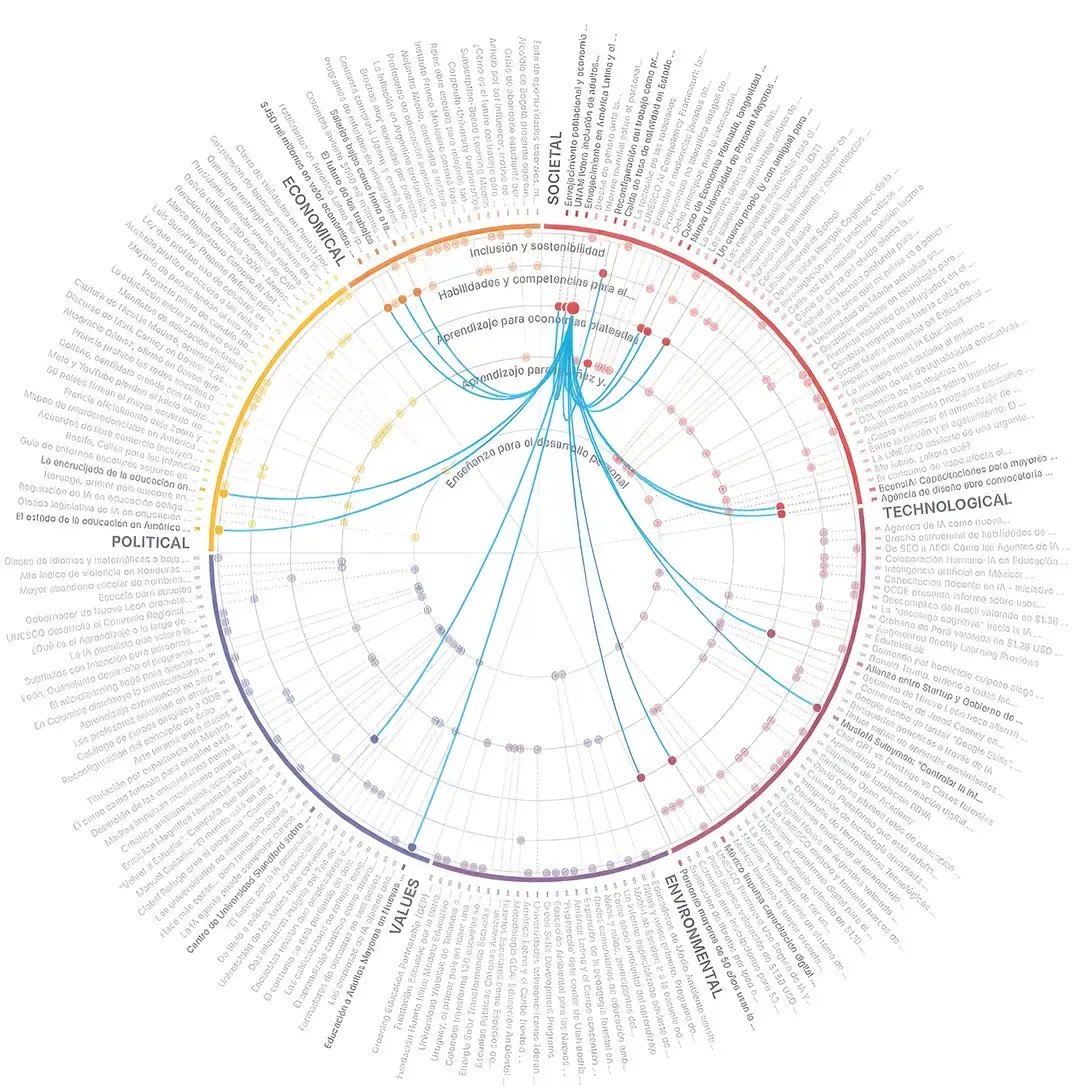
A radar built from 15 countries
The Radar de Futuros is the study that method now produces, co-produced with CAF Development Bank of Latin America and the Caribbean, who opened doors for the team, connecting them to policymakers and institutional leaders across the region.
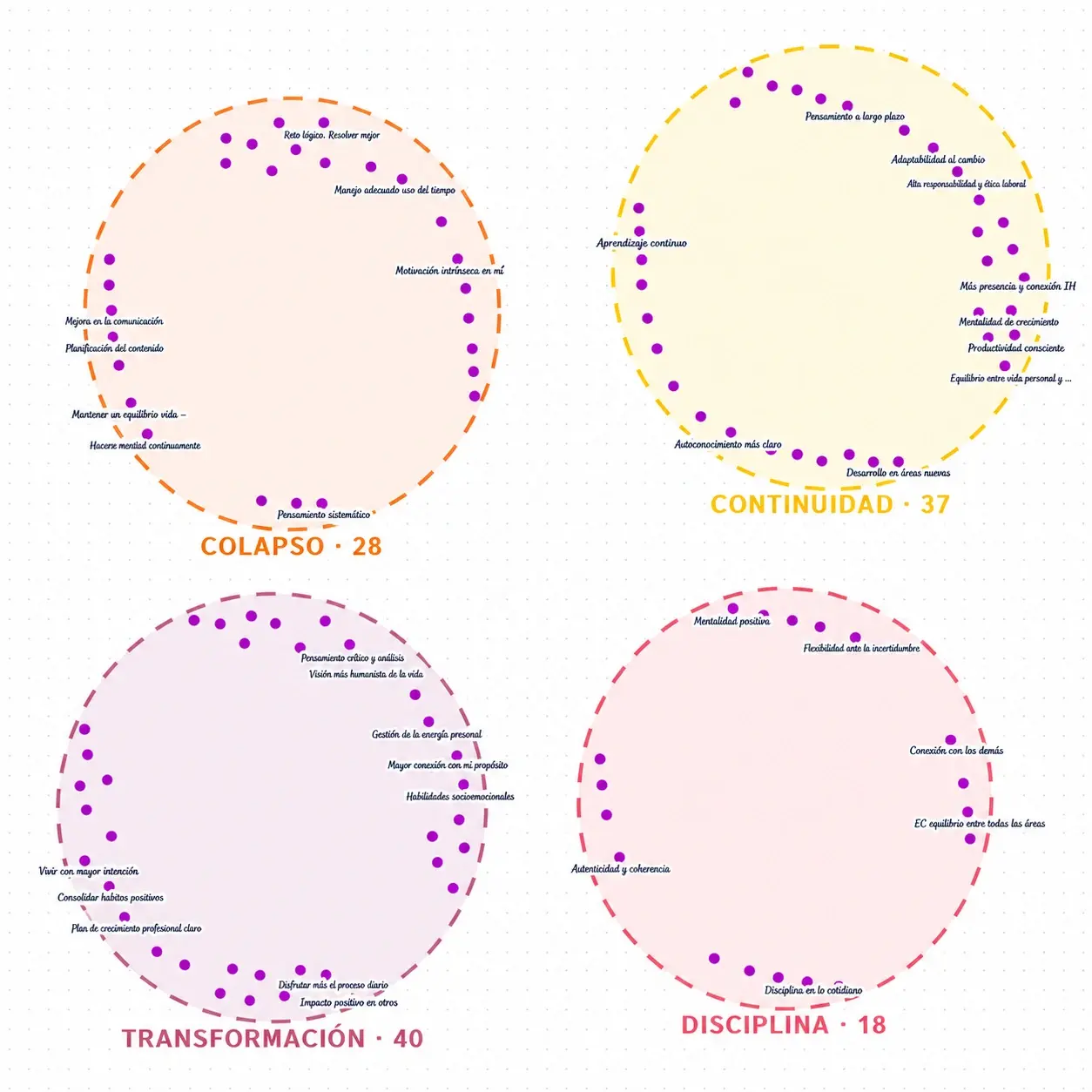
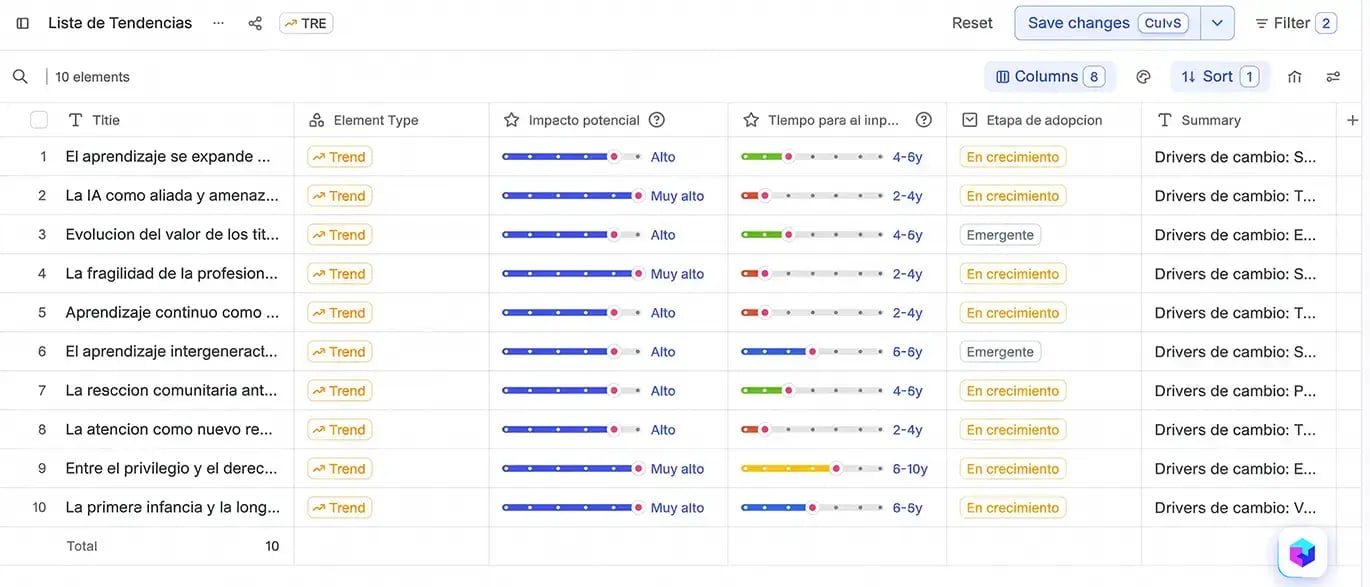
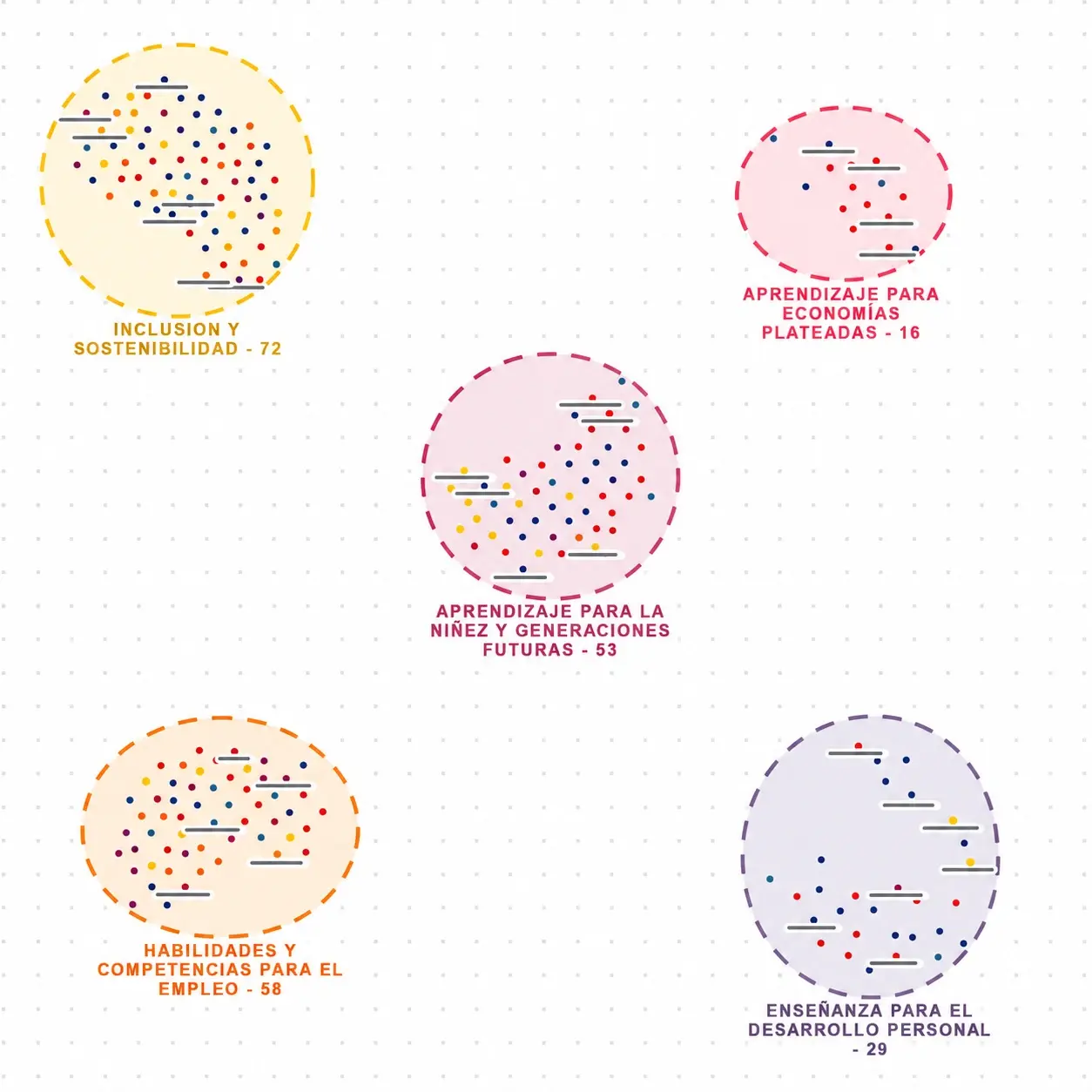
The work begins with signals mapped against a STEEP+V framework, covering social, technological, economic, environmental, political, and values-based change. It then layers in more than 40 hours of conversation with experts from 15 countries. Signals and interviews are clustered on the ITONICS radar as region-specific trends. These feed into scenario-building workshops where everything crystallizes into four archetypes: discipline, growth, collapse, and transformation.

A platform experts can trust
ITONICS holds the interviews and signals in the same shape the team designs, while Prism AI surfaces relationships, contradictions, and inflection points across hundreds of sources that would be easy to miss in a spreadsheet.
Trust runs in two directions. Interviewees share sensitive views, so secure storage matters to them. For outside stakeholders, factual credibility matters just as much.
Beyond the report
The Radar de Futuros will be presented as an interactive homepage with the ITONICS radar embedded so that visitors can explore the signals, trends, and scenarios themselves. The study serves two partners with different audiences: one for educators, one for the policymakers CAF works with.
For the team at Tec de Monterrey, the study is also a proof of concept for broader consultancy, helping institutions plan for several futures and navigate risk. They will present the study in 2027 at CAF's Economic Forum in Panama and at the annual IFE Conference, which brings together educators, researchers and global leaders from Tec de Monterrey to discuss the trends, technologies and practices that are transforming the future of education.


About Tec de Monterrey
Tecnológico de Monterrey is a private, non-profit university recognized for its academic excellence, educational innovation, and global vision. Founded in 1943, it currently operates in 33 municipalities across 20 states, with an enrollment of 60,000 undergraduate and graduate students, as well as over 27,000 high school students. Accredited by SACSCOC since 1950.
It ranks #188 in the QS World University Rankings 2027 and #4 in Latin America according to the QS Latin America & The Caribbean University Rankings 2026. The university is also renowned for its global employability and entrepreneurship programs, while being an active member of international networks such as APRU and U21. To learn more about our Boilerplate, visit: https://tec.rs/Boilerplate
More best practice stories from other ITONICS clients
Increasing innovation efficiency and impact at Toyota
Cisco Technology Radar to accelerate innovation
Steering PostFinance towards innovative horizons
Streamlining the flow of innovation at DB Schenker