Engineering capacity planning fails more often than not: A 6-step fix

Lab equipment sits idle while three projects compete for the same test bench. Skilled technicians are double-booked across overlapping development cycles. And project managers only discover the problem when a deadline slips.
Hardware engineering teams operate in one of the most resource-constrained environments in business. And the situation above shows a true capacity planning failure. And it is more common than most engineering firms admit.
A McKinsey study found that large hardware projects overrun their schedules by an average of 20%. Resource misalignment is the primary driver. Engineering capacity planning is the discipline that prevents it.
This guide covers three reasons hardware capacity planning fails in practice, a six-step process to fix it, three resource allocation strategies for different risk profiles, and how to turn the lessons of failure into a repeatable system.
Most engineering firms have some form of capacity planning. They run it at project kickoff. They populate a spreadsheet. They assign roles to milestones. And then reality arrives.
But hardware development is special. Resources are not interchangeable:
A thermal validation engineer cannot stand in for an RF specialist.
An EMC chamber cannot be rented overnight.
A certification slot at an external test body cannot be moved because the schedule slipped.
This creates three failure modes that no amount of planning optimism fixes (Exhibit 1).
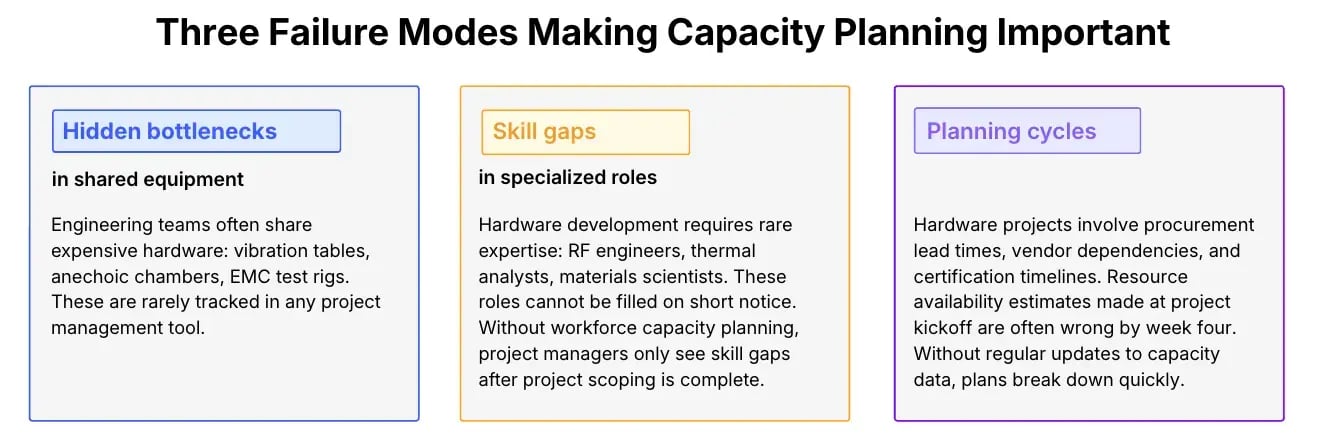
Exhibit 1: Three failure modes making capacity planning important
Engineering teams share expensive hardware: vibration tables, anechoic chambers, EMC test rigs. These assets are rarely tracked in any project management system. They live in email threads and desk calendars. When two projects need the same equipment in the same window, the conflict surfaces too late to resolve without a schedule impact.
The deeper problem: asset utilization is invisible at the portfolio level. No one knows that the environmental test chamber runs at 95% capacity in Q3 until three projects are already committed to that quarter.
Hardware development requires rare, specialized expertise: RF engineers, thermal analysts, failure mode specialists, and materials scientists. These roles have long hiring cycles - often three to six months from open req to productive contributor. Without workforce capacity planning that looks six to twelve months forward, project managers discover skill gaps only after project scoping is complete and commitments are made.
Contractor markets for hardware specialists are thin. Unlike generalist software development roles, there is no on-demand talent pool to draw from.
Hardware projects carry structural uncertainty that collapses planning assumptions fast. Procurement lead times extend. Prototype builds fail and cycle. Supplier qualification takes longer than forecast. Certification bodies push back slots.
Resource availability estimates made at project kickoff decay quickly. Teams that only plan capacity once - at the start - are managing fiction within a month.
The result is a common pattern: projects look executable on paper, get committed to customers, and then run into the wall of real resource constraints mid-execution. Missed deadlines, cost overruns, and strained customer relationships follow.
Effective capacity planning is an ongoing process. Here is a six-step framework that engineering teams can implement (Exhibit 2).
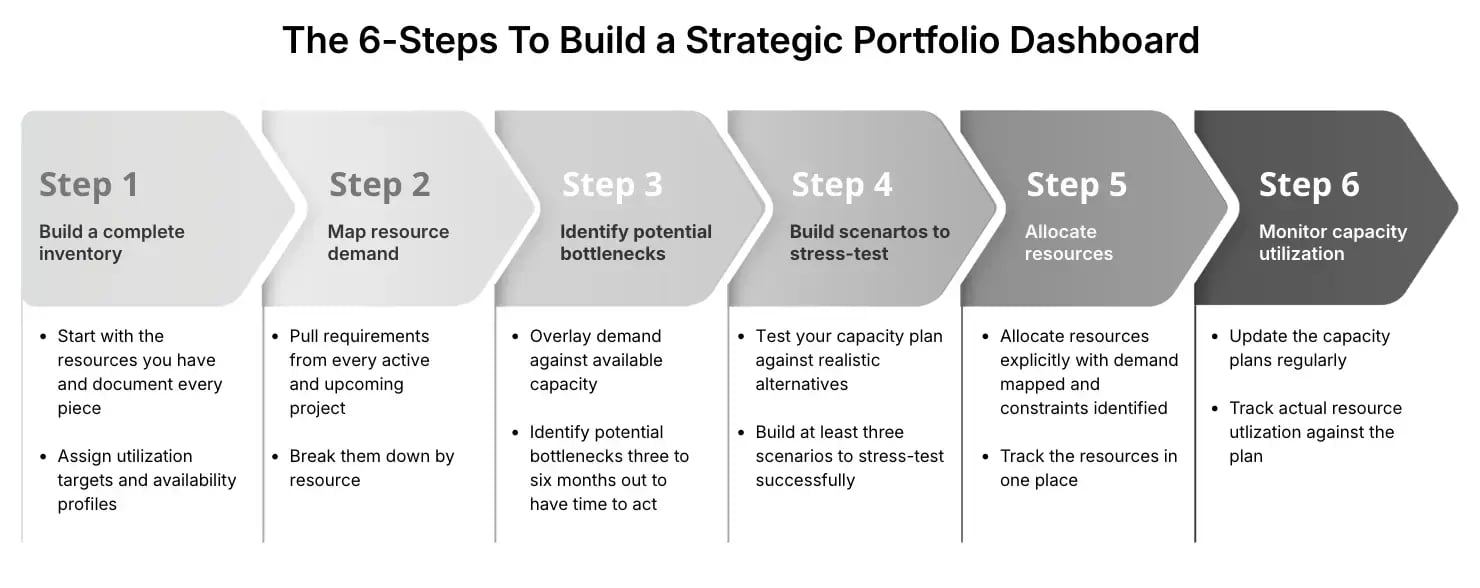
Exhibit 2: The 6-steps to build a strategic portfolio dashboard
Start with what you have. Document every piece of equipment, every lab space, and every specialized role. Assign utilization targets and maintenance windows to physical assets. Assign availability profiles to each person based on role, project commitments, and planned leave.
Most engineering firms find that this step alone reveals major surprises. Equipment assumed to be available is under maintenance 30% of the time. Specialists assumed to be free are already committed to other work.
Current capacity cannot be managed without accurate data on what that capacity actually is.
Pull requirements from every active and upcoming project. Break them down by resource type: which lab equipment, which roles, which duration.
This requires collaboration with project managers. They need to translate high-level schedules into specific resource needs. A "thermal validation phase" on a project plan must become: thermal cycling chamber, two weeks, Q3.
The more granular this mapping, the more useful the output. Vague demand data produces vague capacity plans.
Overlay demand against available capacity. Look for weeks or months where demand exceeds supply for specific resources. These are your capacity constraints.
In hardware engineering, common bottlenecks include:
Identifying potential bottlenecks three to six months out gives teams time to act. Identifying them in week one of a missed milestone does not.
Capacity planning involves uncertainty. Project timelines shift. Hardware qualification fails and cycles repeat. New customer requirements arrive mid-development.
Scenario planning allows engineering firms to test their capacity plan against realistic alternatives. Build at least three scenarios:
Stress-testing capacity plans against these scenarios reveals which resources are fragile. It also shows which projects are genuinely at risk under normal variance.
With demand mapped and constraints identified, allocate resources explicitly. Make the trade-offs visible.
If two projects need the same vibration table during the same window, a decision must be made. Either the schedule shifts, the equipment gets rented externally, or the scope changes. These decisions should be made before the conflict occurs, not during it.
Resource allocation should be tracked in one place. Spreadsheets break down when managing more than ten concurrent projects. Dedicated resource planning gives project managers a single source of truth for both human and physical capacity.
A capacity plan created in January is not reliable in June. Update it regularly.
Track actual resource utilization against plan. If a test bench runs at 90% utilization for three consecutive weeks, that is a leading indicator of future bottlenecks. If a specialist is consistently underutilized, that signals misalignment between planning assumptions and reality.
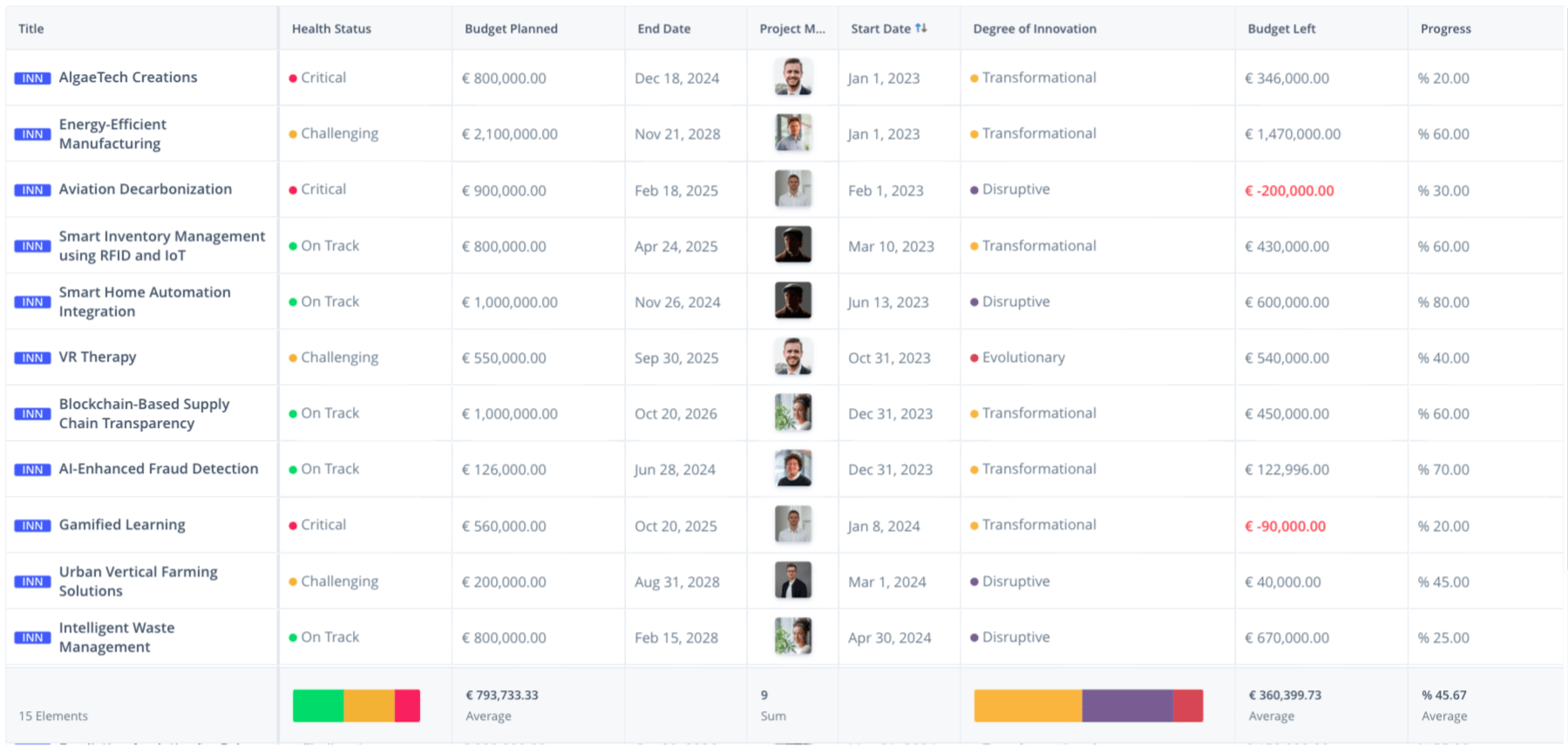
Exhibit 3: Tracking resource utilization against the strategy
Gather data from project execution continuously. Compare it against the plan. Adjust allocations before capacity constraints become project crises.
Not all resource allocation decisions are equal. Engineering teams need to understand three approaches and when to use each.
Most firms do not pick one strategy and apply it uniformly. They use
a lead strategy for assets with 12-plus-week procurement cycles,
a lag strategy for flexible or rental resources, and
a match strategy for headcount decisions.
Mixing strategies intentionally is what effective capacity management looks like in practice.
Capacity planning breaks down into three predictable ways. The fix is a system that makes resource demand visible, keeps plans current, and forces trade-off decisions before they become delivery failures.
Closing the hidden equipment bottleneck. Shared physical assets need to be tracked at the portfolio level, not the project level. Every piece of critical equipment should have an availability calendar maintained in one system - not in individual project plans.
Capacity utilization for high-value equipment should be reviewed monthly alongside the project pipeline. When utilization forecasts exceed 80% for a sustained period, that triggers an investment or scheduling decision, not a post-mortem.
Closing the skill gap. Workforce capacity planning needs a longer horizon than most teams apply. Twelve months is the minimum for roles that take three to six months to hire. Project managers need visibility into the aggregate demand for specialist roles across all upcoming projects - not just their own. When the portfolio shows four projects requiring RF engineers in Q3 and the team has two, that gap must be surfaced in Q1, not in June.
Closing the plan decay problem. Capacity plans need a fixed update cadence. Monthly reviews are the minimum. Each review should pull actuals from project execution and compare them to the plan. Schedule slips, failed qualifications, and extended procurement cycles must be reflected in resource availability projections immediately - not carried forward as assumptions that no longer hold.
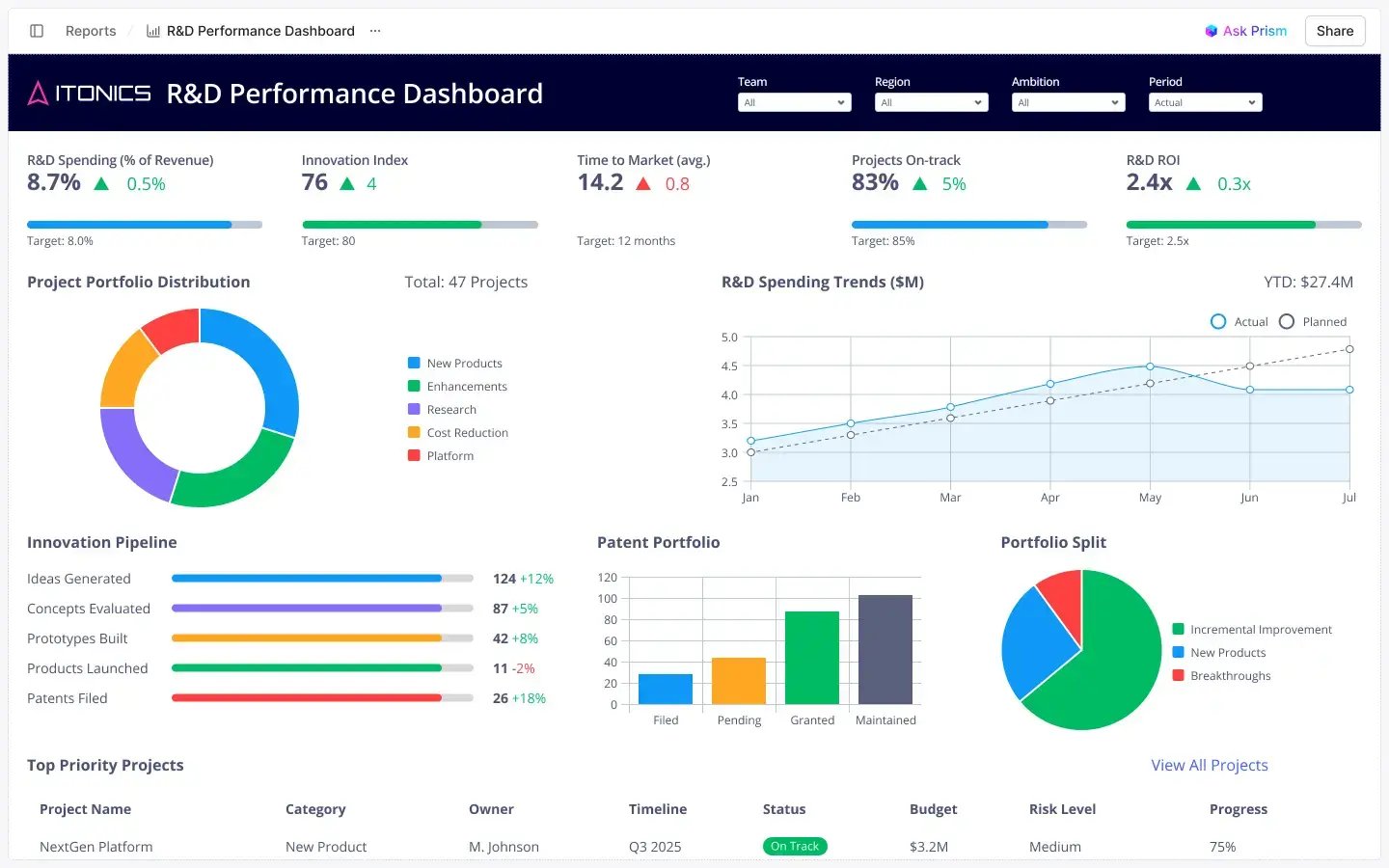
Exhibit 4: Using dashboards to report the status of the planning
The underlying requirement for all three is the same: a single place where resource supply and project demand are tracked together, updated continuously, and visible to the people making allocation decisions.
This is what ITONICS provides for engineering firms managing complex hardware portfolios.
Project managers get a consolidated view of resource utilization across current and future projects.
Portfolio leaders can model how shifts in project priority affect capacity across the full program.
Engineering teams can identify potential bottlenecks months in advance rather than days before a deadline.
The firms that execute hardware programs reliably are not those with the most resources. They are the ones that know exactly where their constraints are - and act on them early enough to matter.

.webp?width=900&height=450&name=Top-10-project-portfolio-software-tech-and-development-teams-use-for-managing-innovation-projects-fullwidth%20(1).webp)