Creating strategic alignment: 1 framework, 5 myths, 12 daily tests


New year, new strategic priorities. Every organization announces them. Then 95% of resources go to business as usual. Strategic alignment remains a management talking point, not an operational steering wheel.
Companies believe everyone needs to understand the full strategy. They invest in communication plans and town halls. They implement OKRs expecting automatic coordination. They seek buy-in from every level before moving forward.

Exhibit 1: 12 daily tests to check strategic alignment
Meanwhile, incentives point in different directions. Budgets protect operational work. Departments optimize for conflicting goals. The organization's structure guarantees misalignment regardless of how clearly you communicate. This misalignment with strategy often leads to inefficiencies and hampers organizational alignment, ultimately obstructing the achievement of strategic goals.
This article shows what actually creates strategic alignment.
One framework that starts with resource commitment, not goal-setting.
Five myths that keep organizations stuck in alignment theater.
Twelve daily tests that reveal misalignment before it becomes a crisis.
No balanced scorecards or consultant frameworks. Just the operational reality of turning strategy into coordinated action when the budget is finite and organizational politics are real.
You're three months into the fiscal year. The strategy deck from January's offsite looks great. But something feels off. Projects multiply. Priorities blur. Departments pull in different directions.
Take two minutes to diagnose what's breaking.
Question 1: Can you name your top three strategic objectives without looking them up?
If yes, would your leadership team give the same answer? Most executives fail this test. They name different priorities or list seven things they claim are all critical.
Question 2: What percentage of your total budget is ring-fenced for achieving strategic objectives?
If it's below 20%, your strategic planning exists on paper only. The rest got consumed by "business as usual."
Question 3: Do different departments use different metrics to define business success?
Sales celebrates deal volume while product optimizes for feature velocity. Conflicting measures guarantee misalignment regardless of clear objectives.
Question 4: When was the last time you killed a project for strategic reasons rather than failure?
If it's been over 12 months, you're not making trade-offs. You're just adding.
Question 5: Can front-line employees explain how their daily work connects to the organization's goals?
Walk the floor and ask three people. Their confused silence tells you everything.
Score yourself:
5 yes answers: You have strong alignment. Rare. Protect it.
3-4 yes answers: Partial alignment. Fixable with focused effort.
0-2 yes answers: Fundamental misalignment. Communication won't fix this.
This diagnostic gives you a more comprehensive understanding of where alignment dies. Most companies score below three. The rest of this article shows how to fix each gap systematically through better project management and budget commitment.
Misalignment costs more than failed projects. It destroys organizational performance systematically. When the organization isn't aligned, every department optimizes locally. Resources are scattered across competing priorities. The business case for strategic initiatives falls apart because execution never matches the strategic planning process assumptions.
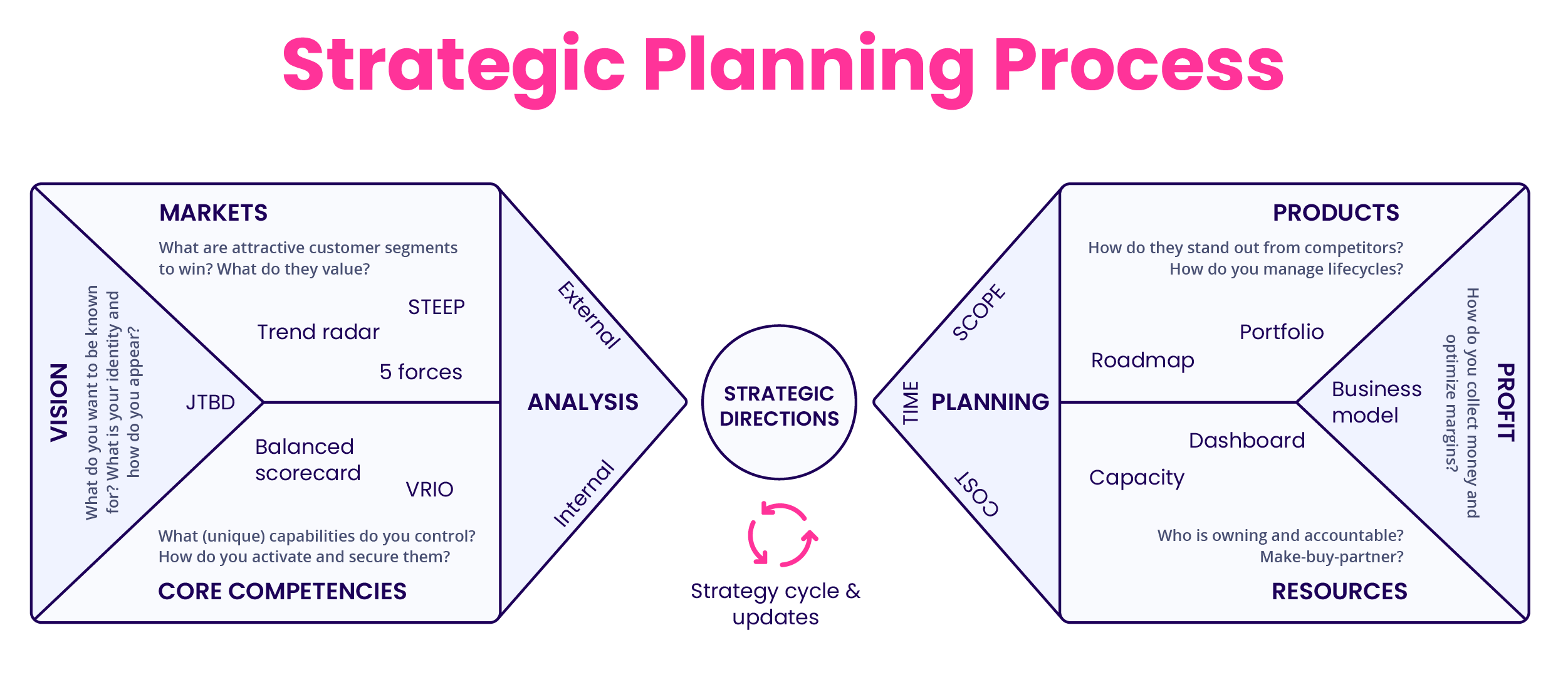
Exhibit 2: The components of the strategic planning process
Key stakeholders see this as a coordination problem. They invest in better communication. The real issue runs deeper. Without alignment, the organization can't respond to market trends or adapt to business environment shifts. Strategic work happens too slowly or not at all.
Organizational success requires alignment as a continuous process, not a planning event. Companies with worse strategies but better alignment consistently outperform those with brilliant organization's vision but scattered execution. Alignment isn't soft culture work. It's profit discipline.
Strategic alignment fails in predictable places. Most organizations make the same mistakes. They invest in vision workshops and communication plans. Then they wonder why nothing changes.
The problem isn't awareness. It's turning strategy into operational decisions.
Planning stops at vision without budget commitment. Budgets flow to urgent operational work, not strategic goals. And middle management can't translate strategic planning into daily trade-offs that their teams can act on.
Senior management gathers for strategy sessions. They run a SWOT analysis. They debate market positioning. They craft mission statements. They master every strategy framework. Then they declare victory and move on.
The planning process produces beautiful documents. Vision statements that inspire. Clear objectives that sound achievable. But the work stops at strategy formulation. No one translates vision into resource decisions. No one defines what stops to make room for what starts.

Exhibit 3: Formulating clear strategic goals with LARGER
Many organizations treat strategic planning as an annual event. One week offsite. A consultant facilitates. The leadership team aligns on priorities. Then everyone returns to business as usual. The business strategy sits in a deck that no one references.
Achieving strategic alignment requires moving past vision. Strategy without implementation plans is expensive theater. The entire organization needs to know what changes on Monday morning. What projects get funded? What initiatives get killed? Which teams get expanded? What work stops entirely?
Budgets reveal true priorities. Most organizations allocate 90% of resources to operational work before strategic priorities get funded. Strategic initiatives compete for leftover capacity.
This happens through incremental decisions. A key customer escalates. Sales needs immediate support. Resources shift from strategic projects to operational fires. It feels necessary. It happens repeatedly.
The organization's structure reinforces this pattern. Departments own their budgets. They optimize locally. Strategic priorities require cross-functional investment. But no one has the authority to reallocate resources across teams. So strategic work gets done "when there's time." There never is.
Urgency always wins without protected budgets. Ring-fencing resources for strategic priorities feels uncomfortable. Leaders worry about flexibility. But flexibility without commitment means strategic work never happens. You can't achieve long-term success by always prioritizing short-term urgency.
Different departments optimize for competing goals. Sales maximizes deal volume. Product maximizes feature velocity. Operations maximizes efficiency. Everyone hits their targets. The organization still underperforms.
The balanced scorecard approach tries to solve this. Give each function its objectives. Assume it adds up to a unified direction. It doesn't. Without shared metrics, teams make rational local decisions that destroy global value.
Effective communication doesn't fix structural misalignment. When Sales and Product have contradictory incentives, more meetings just make the conflict more visible. The problem isn't understanding. It's that success for one team means failure for another.
Cross-functional collaboration requires shared pain. Teams need common measures of success. Compensation must reward enterprise outcomes, not functional achievements. Without aligned incentives, collaboration stays superficial. Teams coordinate but don't truly align.
The gap between strategy and execution happens at translation. Senior management understands the vision. Front-line teams know their daily work. Middle management struggles to connect them.
Many organizations assume translation happens automatically. Announce the strategy. Cascade objectives. Assume teams figure out implications. They don't. Strategic priorities stay abstract. Teams continue optimizing for operational metrics they understand.
The One-Sentence-Goal-Cascade Test:
"To support [higher level goal], we will focus on [lower-level goal] by [specific actions]."
Translation requires an ongoing process, not a one-time cascade. Leaders must explain trade-offs repeatedly. What we're saying no to. Why these priorities matter. How daily work connects to strategic outcomes. This isn't effective communication in the traditional sense. It's a continuous assessment of whether teams are making aligned decisions.
The entire organization needs a clear line of sight from its work to strategic impact. This requires specific examples. Concrete scenarios. Regular reinforcement. Most leadership teams communicate strategy once and move on.
Achieving strategic alignment demands persistent, repetitive context-building across every level. Without it, vision stays disconnected from execution, and strategy remains aspirational rather than operational.
Alignment is built through structure that makes misalignment costly and alignment rewarding.
This framework, the strategic alignment pyramid, works in priority order. Resources come first because they reveal actual priorities. Incentives come second because they drive behavior. Goals come third because they only work when backed by resources and incentives. Validation comes fourth to prevent drift. Communication comes last to reinforce everything below it.
Each layer strengthens the ones above. Miss one, and the strategy operating system weakens.
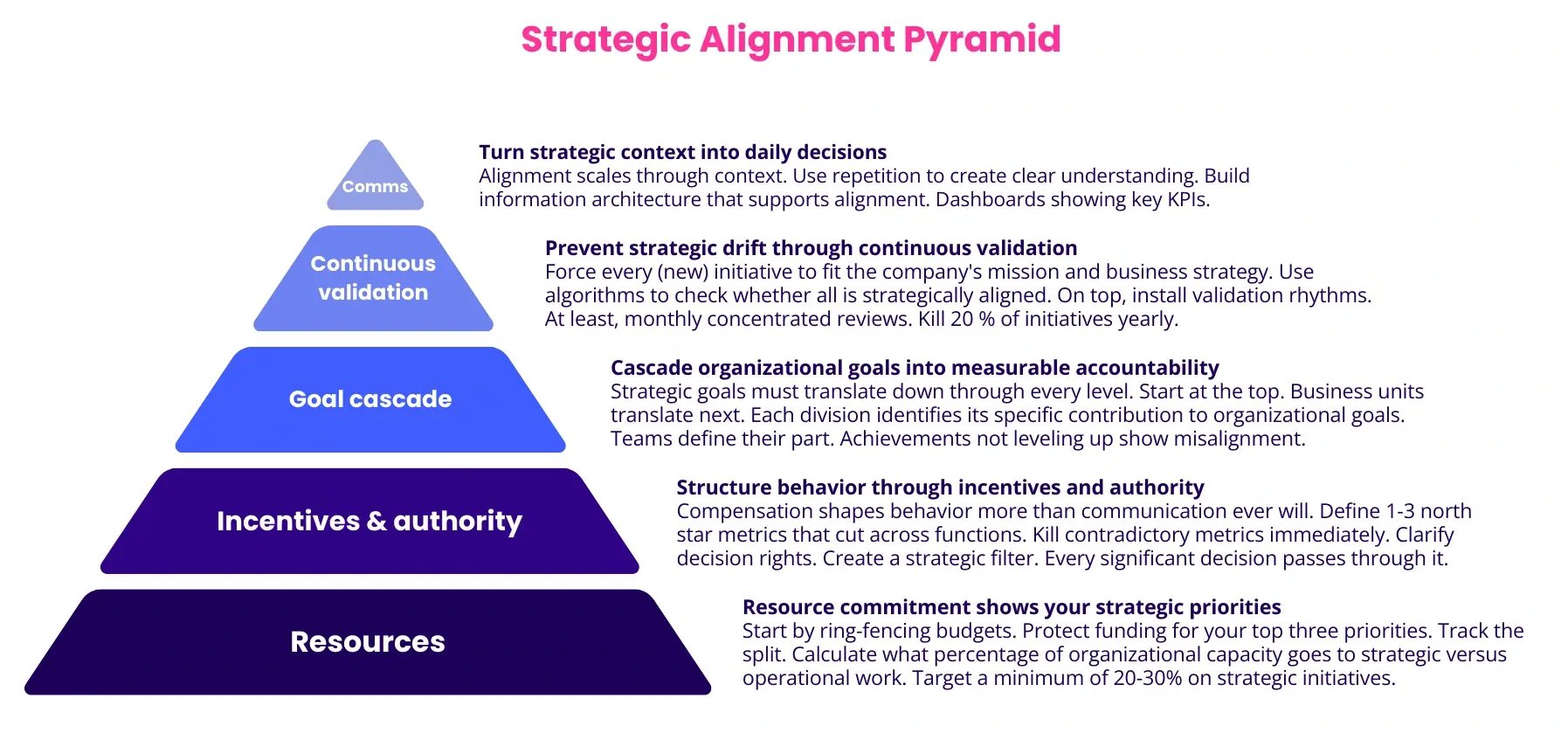
Exhibit 4: Strategic alignment framework and the 5 components
Most alignment efforts fail because they target the wrong things.
Myth 1: "Everyone needs to understand the full strategy."
Forcing everyone to memorize the full strategy deck is performative alignment, not real alignment. Most people need to understand their part clearly and why it matters.
Myth 2: "Alignment happens through communication."
If your "strategic priority" has no dedicated budget and no protected headcount, you're lying to yourself. Alignment happens through resource allocation.
Myth 3: "OKRs create alignment."
OKRs become alignment theater when each department sets its own objectives. Real alignment requires shared pain. When one team's success depends on another team's sacrifice, you test true alignment.
OKRs work when they force cross-functional trade-offs. When teams share key performance indicators.
Myth 4: "Alignment is about getting everyone on the same page."
Alignment is about making trade-offs consistently. It's knowing what you'll say NO to, not just what you say yes to.
Myth 5: "Strategic alignment requires buy-in from everyone."
You need commitment from decision-makers and clarity for executors. Seeking universal buy-in is a stalling tactic.
1. Your resource commitment shows your strategic priorities
Your budget reveals what you actually care about. Most companies declare three strategic priorities. Then they allocate 95% of their budget to business as usual. Strategic priorities need strategic resources.
Start by ring-fencing budgets. Protect funding for your top three priorities. These budgets cannot be raided when quarterly targets slip. If you won't defend it in tough quarters, don't call it strategic.
Track the split. Calculate what percentage of organizational capacity goes to strategic versus operational work. Target a minimum of 20-30% on strategic initiatives. Most organizations discover they're below 10%.
/Still%20images/Kanban%20Board%20Mockups%202025/capabilities-views-kpi-aggregation.webp?width=2160&height=1350&name=capabilities-views-kpi-aggregation.webp)
Exhibit 5: Strategic portfolio view across innovation horizons, phases, and budget
2. Structure behavior through incentives and authority
Compensation and purpose shape behavior more than communication ever will. Define 1-3 north star metrics that cut across functions. Every department's goals must contribute to these. Kill contradictory metrics immediately.
Clarify decision rights. Who decides when strategic objectives conflict? Who allocates resources within strategic planning? Who can reject non-strategic work? Document this clearly. Use RACI or similar frameworks.
Create a strategic filter. Every significant decision passes through it. Simple scorecard: which strategic objectives does this serve? How much impact? Proposals below the threshold get rejected or deprioritized.
3. Cascade organizational goals into measurable accountability
Strategic goals must translate down through every level. Start at the top. Leadership defines 3-5 organizational goals. These describe what winning looks like.
Business units translate next. Each division identifies its specific contribution to organizational goals. Format: "To support [org goal], we will deliver [specific outcome]." This forces an explicit connection.
Teams define their part. Each team sets 2-4 goals that ladder up to business unit objectives. Critical addition: teams must state what they'll stop doing. Strategic focus requires saying no.
4. Prevent strategic drift through continuous validation
Quarterly pressures dominate attention. Projects multiply. Focus diffuses. Strategic drift happens often unnoticed.
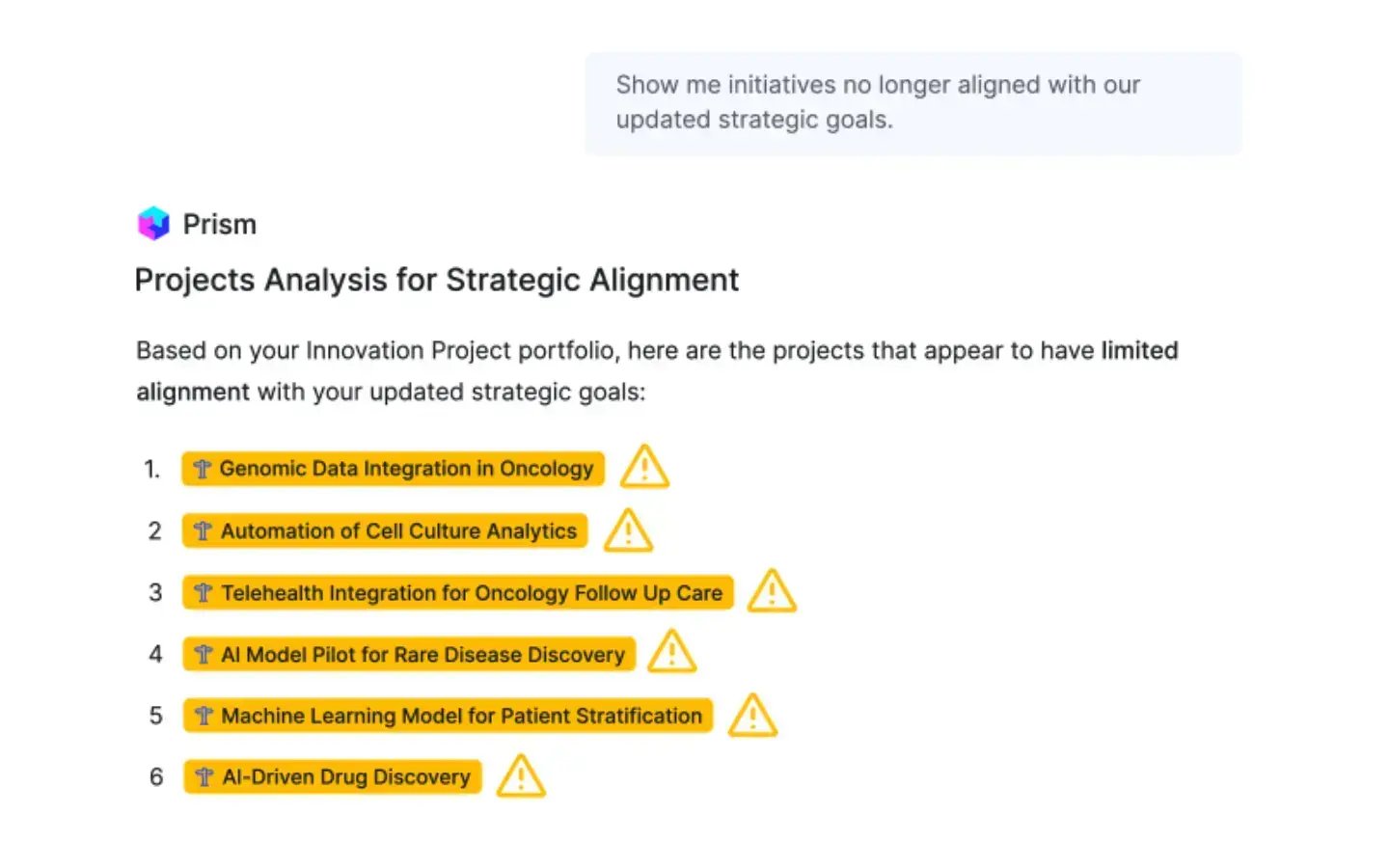
Exhibit 6: ITONICS Prism flags off-strategy projects automatically
Force every (new) initiative to fit the company's mission and business strategy. Track progress and each initiative in a digital platform. Use algorithms to check whether all is strategically aligned.
On top, install validation rhythms. At least, monthly concentrated reviews check progress on strategic priorities. Create feedback loops. Give employees structured ways to surface misalignment.
Kill the bottom 20% of initiatives. It's acknowledging that priorities shift. Resources are finite. Saying yes to everything means delivering nothing.
5. Turn strategic context into daily decisions
Alignment scales through context. And, culture eats strategy for breakfast. So, use repetition to create a clear understanding. Leaders think they've communicated enough after announcing the strategy once or twice. In fact, teams need to hear the strategic context 10+ times.
Connect daily work to strategic outcomes. In team meetings, 1-on-1s, and project kickoffs. Show how specific tasks advance specific priorities. Make the connection obvious and frequent.
Build information architecture that supports alignment. Dashboards showing key performance indicators progress.
Context doesn't replace structure. It amplifies it. Strong context with weak structure fails. Strong structure with strong context scales.
Strategic alignment degrades daily. Operational pressures dominate. Priorities blur. These 12 rules make misalignment visible before it costs you.
These tests reveal misalignment before it becomes a crisis. Use them weekly to catch strategic drift early. Each test takes under five minutes but exposes structural problems that communication alone can't fix.
1. Why-Chain Test: Pick any project. Ask "Why are we doing this?" five times. If you can't trace it back to organizational goals within five steps, you lack alignment.
2. Budget Reveal Test: Show me your budget allocation by strategic goals. That's your real strategy. If strategic goals get less than 20% of the total budget, your strategy is fiction.
3. Meeting Agenda Test: What percentage of leadership team meetings discuss strategic objectives versus operational fires? Below 50%? You're not strategically aligned. Meeting time reveals true priorities.
4. Strategy-to-Initiative Test: Validate the goal cascade. Test each level: if this team achieves all goals, does it meaningfully advance the level above? If not, goals need revision.
5. Headcount Reality Test: Name three people working full-time on each strategic goal. Can't do it? You're under-resourced. Strategic goals need dedicated capacity, not leftover attention.
6. Kill Decision Test: When did you last kill a project for strategic reasons, not failure? Is the answer never or over 12 months? You're not making trade-offs. Achieving strategic goals requires constant no's.
7. Executive Calendar Test: What percentage of senior leadership calendar goes to strategic priorities versus day-to-day work? Track the executive team for one month. Most discover they're below 30%.
8. Resource Reallocation Speed Test: How long from announcing a strategic direction shift to actual budget movement? Good alignment: under 30 days. Poor alignment: next planning cycle. Speed reveals commitment.
Language reveals what structures hide. These phrases signal misalignment masquerading as normal business. When you hear them repeatedly, you have structural problems, not communication gaps.
9. "Let's take it offline." Translation: we're not aligned on priorities and won't resolve it publicly. This signals conflicting objectives between teams. Repeated use means decision rights are unclear.
10. "We need to communicate better." This blames messaging for structural problems. Real issue: incentives aren't aligned. People understand the strategy. They're optimizing for different things. Better communication won't fix misaligned key performance indicators.
11. "Let's put a pin in that." Code for: this conflicts with something else, but we'll avoid the choice. Priority avoidance in action. Organizations that pin everything deliver nothing of strategic importance.
12. "Quick win" Often means doing things that feel productive but don't advance the overall strategy. Test: Does this quick win lead to achieving strategic goals? Or is it a detour? Most quick wins are distractions from business success.
Manually achieving strategic alignment breaks at scale. When you have 50+ initiatives across distributed teams, spreadsheets can't show real-time connections between strategy and execution. Leaders lose visibility into what actually advances strategic priorities.
Strategic portfolio management software makes alignment operational. It connects strategic planning directly to project selection. Every initiative becomes a high-impact project. No mapping, no funding. This forces explicit connections that strategy decks can't enforce.
/Still%20images/Radar%20Mockups%202025/capabilities-collaboration-clustering-evaluating-viewing.webp?width=2160&height=1350&name=capabilities-collaboration-clustering-evaluating-viewing.webp)
Exhibit: Project radar showing projects with status "challenging"
Measurable sub-goals cascade automatically from the enterprise strategy to the team level. The system maintains a line of sight from daily key activities to organizational objectives. Teams see how their work contributes. Leaders see where progress happens versus where strategy says they should.
Continuous assessment and strategic alignment become systematic. Real-time dashboards show which initiatives deliver against strategic goals. Portfolio reviews identify projects that lost strategic relevance. Kill decisions happen based on data, not politics.
The platform adapts as the business environment shifts. When strategy changes, leaders reallocate resources across the portfolio in weeks, not quarters. Speed from strategic decision to operational reality determines who wins.
Organizations achieve strategic alignment through structure and communication. ITONICS provides that structure at scale. ITONICS turns the overall strategy from a vision into a measurable, manageable system that drives business success across distributed teams and changing market conditions.
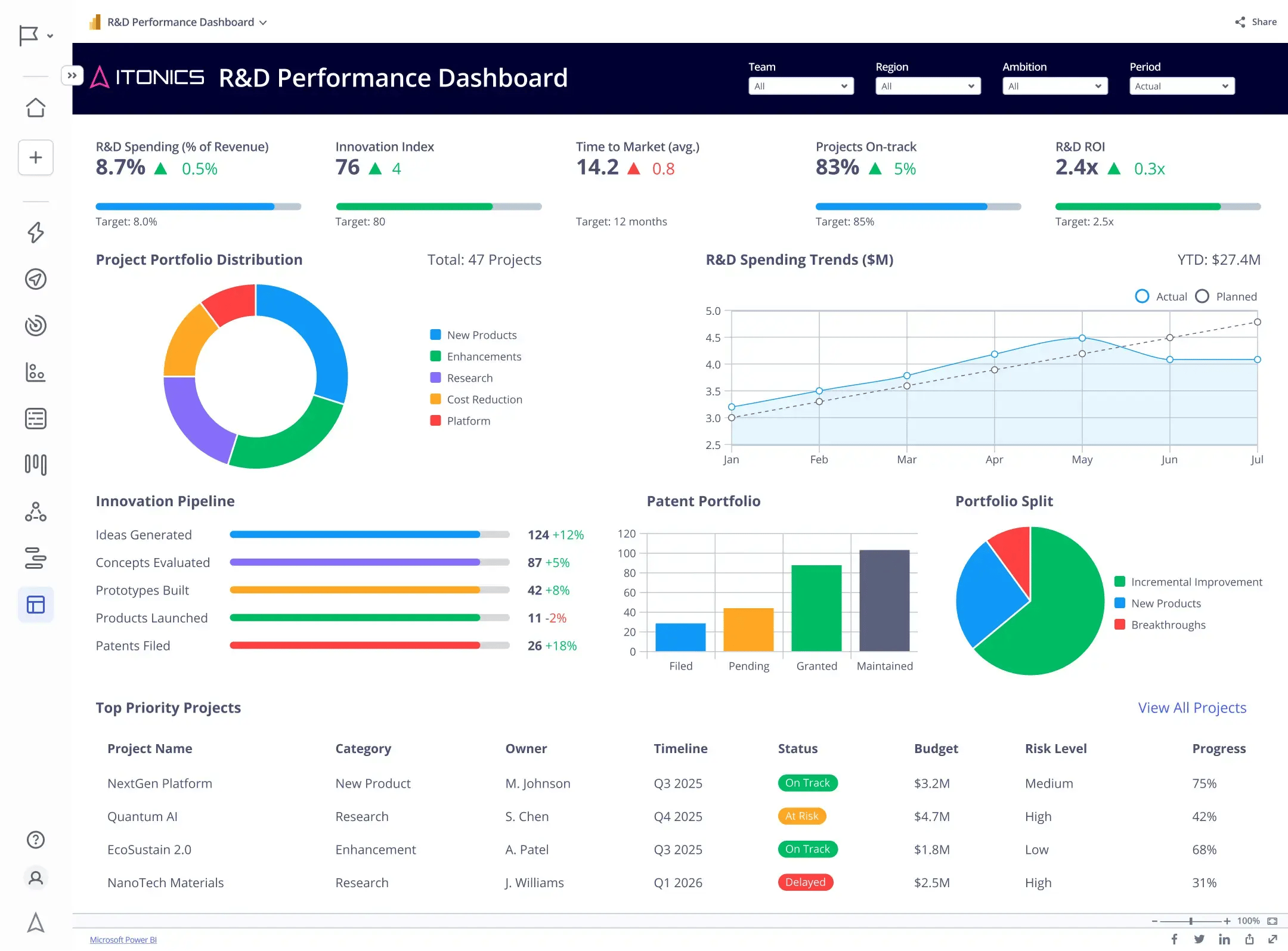
Exhibit: An R&D performance dashboard inside ITONICS
Connect resources to strategic goals: Strategic alignment fails when budgets contradict strategy. Most organizations finish strategic planning, then fund initiatives based on departmental power. See initiatives mapped to strategic objectives. Identify contradictions, then reallocate based on strategic impact.
Operate continuously on aligned portfolios: Strategic drift happens gradually as operational pressures dominate strategic planning. Automated dashboards track which projects advance organizational goals and which lost relevance. Continuous validation catches misalignment early. Kill decisions based on data enable allocating resources effectively to what matters.
Enable cross-functional collaboration through shared visibility: Siloed departments optimize for conflicting goals when they can't see enterprise priorities. One source of truth for strategic objectives, roadmaps, and progress. Teams see how their work connects to business goals. Visibility enables trade-offs based on strategic alignment, not departmental interests.