A better way to set strategic priorities: Choice-driven SWOT analysis


What lies between last year's ambition and today's situation? Often, a broken strategy. Not because teams failed to execute, but because leaders failed to choose.
Leadership had the data. They applied the SWOT analysis and other frameworks. They analyzed strengths, weaknesses, opportunities, and threats. Yet when it mattered, they avoided committing to clear strategic priorities.
Instead of making trade-offs, they preserved options. Instead of focus, they produced alignment. Execution then carried the burden of unresolved decisions.
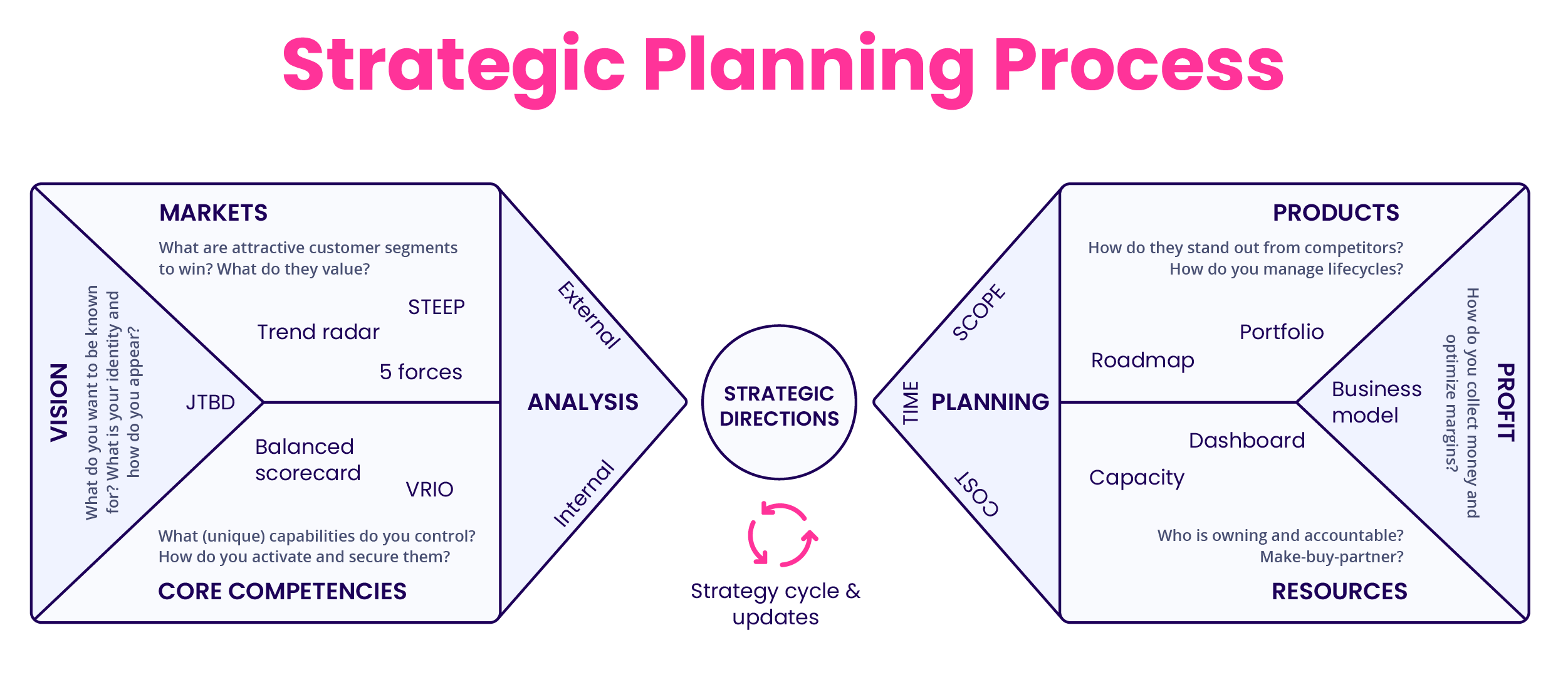
Exhibit 1: The 9 components of the strategic-planning process
This article explains why strategic priorities often fail to emerge from traditional strategy tools and how a choice-driven approach to SWOT analysis transforms insight into commitment. It explains how to move from analysis to decision, and from direction to execution with confidence.
Decades of academic research emphasize the importance of strategic planning. The dominant assumption is simple. Companies with a plan perform better than those without one. Strategy is treated as a prerequisite for success.
Reality is more nuanced. Many companies survive, and even grow, without deliberate long-term planning. Their success is often driven by strong products, effective marketing, and favorable market conditions, not by formal strategy formulation.
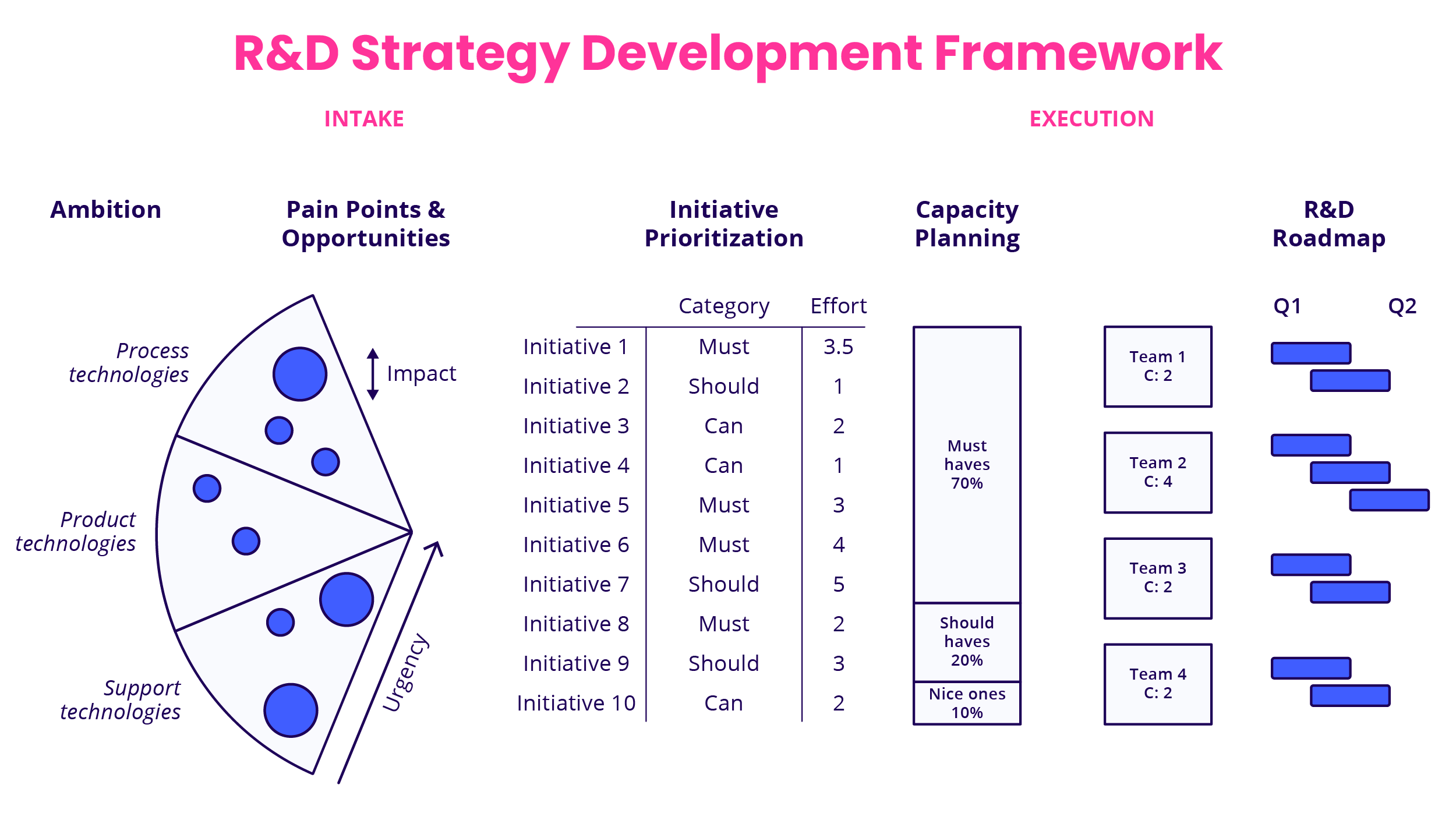
Exhibit 2: A framework showing the process to define and execute an R&D strategy
This is where the debate usually stalls. Strategy is either overvalued as a silver bullet or dismissed as irrelevant overhead. Both views miss the real lever.
Strategic prioritization matters not because it predicts the future, but because it coordinates action. Priorities align decision-making across teams and functions. They reduce friction by preventing people from working on conflicting tasks.
Without clear strategic objectives, organizations rely on local optimization. Teams pursue what seems reasonable from their own perspective. Over time, this creates overlap, internal competition for resources, and slow execution.
Precise priorities solve this coordination problem. They establish a shared direction that guides trade-offs. They clarify what deserves attention and what does not, even when conditions change.
This directly improves operational efficiency. Resources are allocated consistently. Capacity planning becomes simpler. Leaders spend less time resolving conflicts and more time enabling execution.
The profit impact follows from alignment. Focus replaces diffusion. Strategic planning becomes a practical management tool that shapes daily decisions, not an abstract exercise.
Strategic prioritization translates business strategy into coordinated action. It clarifies where the organization will focus its financial resources and human resources, and where it will not. This focus is what operationalizes an ambition into execution.
Without strategic prioritization, the action plan becomes a collection of parallel initiatives. Teams optimize locally. Various departments pursue reasonable goals that do not add up at the system level. Decision-making shifts from structured choices to escalation and intuition.
Effective strategic planning aligns internal and external factors. It links internal capabilities with external factors such as market conditions, competitive landscape, and market trends. This alignment ensures that execution reflects the external environment, not just internal preferences.
A clear prioritization logic also improves efficiency. Investments are sequenced. Trade-offs are made early. Leaders spend less time arbitrating conflicts and more time enabling successful implementation.
A good strategic priority can be expressed in a single, operational sentence: [Verb] + [Currently Bounded Object] to achieve [expected measurable value].
The priority should start with a verb, indicating the performance direction. Verbs signal intent and guide action without prescribing specific solutions, making it a powerful tool for strategy communication.
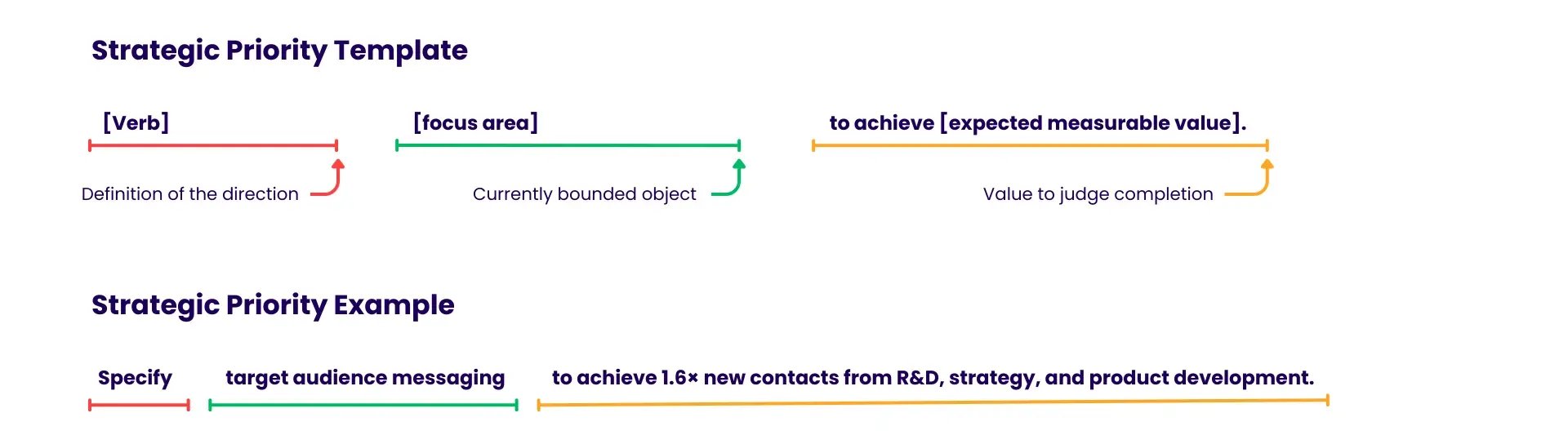
Exhibit 3: How to formulate a strategic priority
The focus area is a currently bounded object. It reflects a real constraint, limitation, or concentration in today’s system. Planned activities exist to deliberately loosen, shift, or remove this boundary over time, addressing internal weaknesses, leveraging internal strengths, or responding to trends.
The outcome must be measurable. A priority without a measurable outcome cannot guide corporate planning or resource allocation. Measurement turns intent into accountability and allows progress to be assessed objectively, which is essential in a good SWOT framework.
Priorities stay at the top of a cascading strategic goal system. Limit to 3–4 clear priorities at a time to prevent resource dilution. The strategic management priorities guide team-level objectives and individual key results.
A good priority remains valid until the boundary has materially shifted or the expected value has been achieved. To adapt to external forces and emerging trends in the business environment, companies are shifting from traditional annual planning to more agile, data-driven systems.
If a priority cannot meet these conditions, it may describe ambition or analysis, but it will not reliably drive execution or help in setting effective priorities that align with the organization's strengths and weaknesses.
Strategic management excels at analysis. Teams assess a company’s strengths and weaknesses, review opportunities and threats, and gather input from multiple functions. Information is abundant, and perspectives are diverse.
However, problems arise when this information isn’t connected. Strengths, weaknesses, opportunities, and threats are treated as separate lists rather than related signals. Links between internal conditions and external developments remain unclear.
Other common failures include:
Focusing on visible symptoms instead of root causes, leading to reactive decisions.
Unclear prioritization criteria, with decisions driven by urgency, politics, or familiarity rather than structured comparison.
Postponing trade-offs, trying to advance everything simultaneously, results in superficial alignment but weak commitment.
Lack of a mechanism to translate analysis into clear choices, leaving execution teams to interpret direction independently.
Strategic decisions are influenced more by confidence and experience than by structured evaluation.
These failures cause the strategy to lose its impact despite abundant insight.
Most strategic prioritization frameworks promise structure and objectivity. They are presented as a useful tool or a planning tool to bring order to complex decisions. In practice, they rarely deliver a significant advantage.
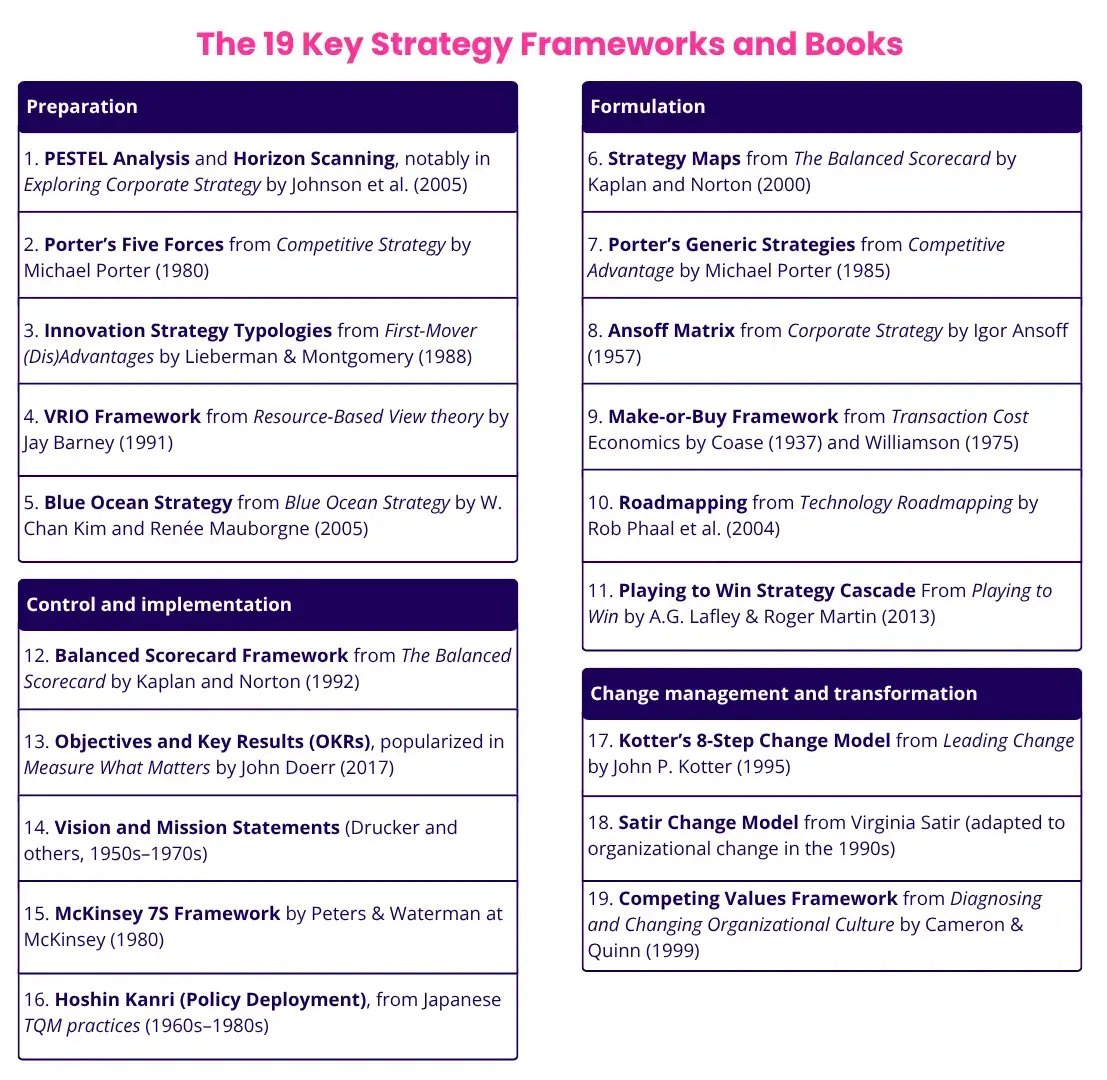
Exhibit 4: The 19 key strategy frameworks
Most tools focus on collecting information instead of forcing a choice. They compare initiatives, projects, or innovative ideas, but do not require leaders to commit.
As a result, prioritization becomes an exercise in optimization, not strategy. Leaders optimize within existing constraints instead of challenging them. The framework supports discussion, but it does not drive strategic decisions.
Used this way, prioritization frameworks act as analytical aids, not as decision mechanisms. They help organize information, but they do not create clarity about what to pursue and what to stop.
Without forcing exclusion, even the best planning tool cannot produce focus. Strategy requires commitment, not just comparison.
The original idea behind SWOT analysis was simple and pragmatic. The SWOT framework was designed to help organizations gather information, develop a full awareness of all the factors involved, to structure strategic thinking around the business environment. It was never meant to be a decision engine.
In practice, SWOT analysis is often stretched beyond its intent. The SWOT analysis becomes a central strategy-making tool rather than an input. Teams document internal strengths and internal weaknesses, list opportunities and threats from the environment, and assume that prioritization will somehow emerge.
This rarely happens. SWOT analysis focuses on categorization, not causality. SWOT stands for strengths (S), weaknesses (W), opportunities (O), and threats (T). As such, fitting developments are recorded as facts in a TOWS matrix, but not linked to why they exist.
/SWOT-analysis.webp?width=2501&height=1190&name=SWOT-analysis.webp)
Exhibit 5: The components of the classic SWOT analysis
Another limitation is relativity. What counts as an opportunity or a threat depends on the current market position and available financial and human resources. The same external condition can appear in different quadrants depending on perspective. This leads to debate rather than strategic decisions.
As a result, SWOT analysis works as a useful tool for orientation, but not for defining key areas of focus. It informs discussion, but it does not produce actionable strategies.
Scoring and voting tools are often added to compensate for these weaknesses. They promise to make the SWOT analysis important for defining the business plan.
In reality, they shift the problem rather than solving it. Scores reduce complex judgments about impact, urgency, and external opportunities into simplified numbers. Voting reflects preferences, not consequences.
Consensus-driven approaches further dilute focus. Agreement across various departments feels productive, but it often removes tension from decisions. Innovative ideas survive because they offend no one, not because they create a significant advantage to the current position.
SWOT analysis is widely used to structure strategic management thinking, but it is often applied as an analytical inventory. Lists are created, discussed, and validated. What is missing is a mechanism that turns analysis into choice.
Reframing SWOT starts with a shift in purpose. The goal is not to document everything true, but to decide what matters most now. A choice-driven approach treats SWOT analysis as an input to decisions, not as an output to agree on.
A critical step is separating facts from judgment. Internal factors such as capabilities, processes, and constraints describe the current system. External indicators describe changes in the customer base, market dynamics, and future trends.
Problems arise when interpretation is mixed in too early. Teams debate meaning instead of agreeing on facts. Internal factors are framed defensively. External indicators are framed optimistically or pessimistically, depending on confidence.
A choice-driven SWOT analysis first stabilizes the facts. It asks teams to identify strengths and constraints without explaining them away. It captures externalities without labeling them as good or bad. Interpretation comes later, when choices are required.
The distinction between opportunities and threats suggests objectivity that does not exist. The same external development can be perceived as an opportunity by one individual and as a threat by another.
This classification also assumes that all factors are equally important. In reality, some forces shape competitive advantage, while others are background noise. Labeling does not indicate urgency, impact, or relevance.
By removing the opportunity and threat labels, the discussion shifts from opinion to consequence. The question becomes what these external factors demand from the organization.
A choice-driven SWOT analysis improves on classic SWOT by changing what the method is used for. The benefits are practical and immediately visible in decision-making.
It turns analysis into strategic decisions.
Instead of stopping at lists of internal factors and external factors, a choice-driven SWOT links them directly to choices about what to focus on and what to deprioritize.
It creates focus instead of completeness.
Rather than treating all inputs as equally important, it isolates the few factors that matter most for competitive advantage and leaves the rest as context.
It removes subjective labeling.
By avoiding early classification into opportunities and threats, it reduces debate and centers discussion on consequences and action.
It prepares the organization for change.
It highlights which boundaries must shift to respond to future trends, rather than documenting the current state.
A good SWOT analysis, therefore, supports prioritization, not documentation. It exists to drive choice and commitment, not just alignment.
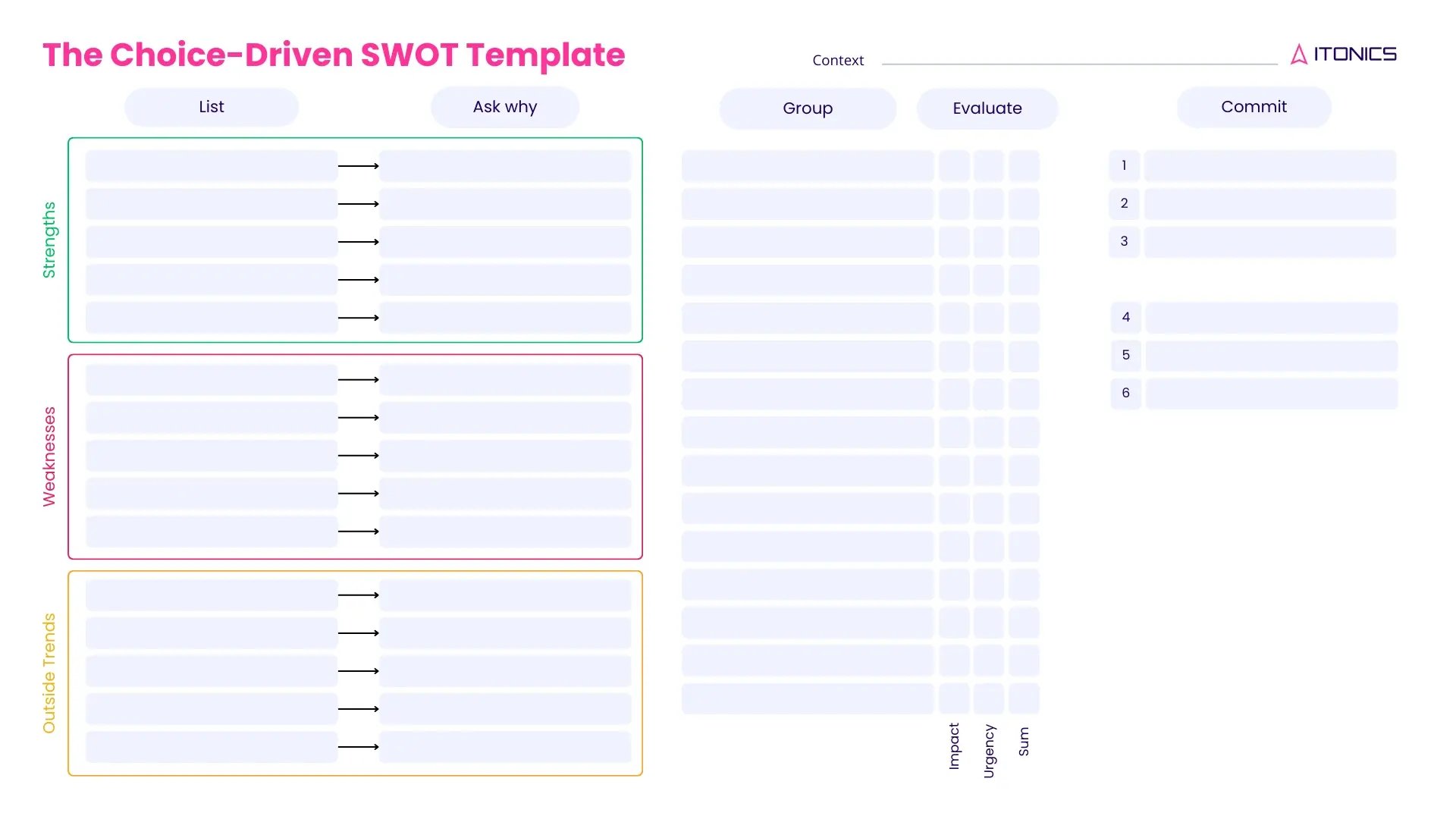
Exhibit 6: SWOT analysis template adopted to find strategic priorities
The choice-driven SWOT method reframes SWOT analysis as a strategic planning tool for crafting business plans, not documentation.
In this approach, SWOT no longer stands for strengths, weaknesses, opportunities, and threats. It stands for strengths, weaknesses, and outside trends. The goal is not to populate a swot matrix, but to create the conditions for clear choices.
This method treats SWOT analysis as important input, not as the final output. Each step reduces ambiguity and prepares the ground for trade-off decisions that can guide execution.
The first step focuses strictly on internal factors. Identify strengths and weaknesses based on evidence from past performance and current operations. Avoid future assumptions.
Strengths describe what works reliably today. Weaknesses describe constraints that repeatedly limit outcomes. Both should be observable and specific. The goal is not to minimize weaknesses yet, but to name them honestly.
This step anchors the analysis in reality. It also creates a shared baseline across key stakeholders before interpretation begins.
Next, capture external developments as neutral signals. These include market shifts, customer behavior, regulation, technology, and competitive moves. Do not label them as opportunities or external threats at this stage.
This matters because opportunities and threats are relative. They depend on internal capabilities, resources, and timing. Early judgment fuels discussions, not strategic relevance.
By treating external factors as judgment-free “outside trends,” teams can define opportunities later, based on the strategic consequences rather than feelings. This keeps the analysis open and forward-looking.
For each listed strength, weakness, and external development, ask why it exists. Repeat the question - for some ask 5 times why - until you move beyond symptoms.
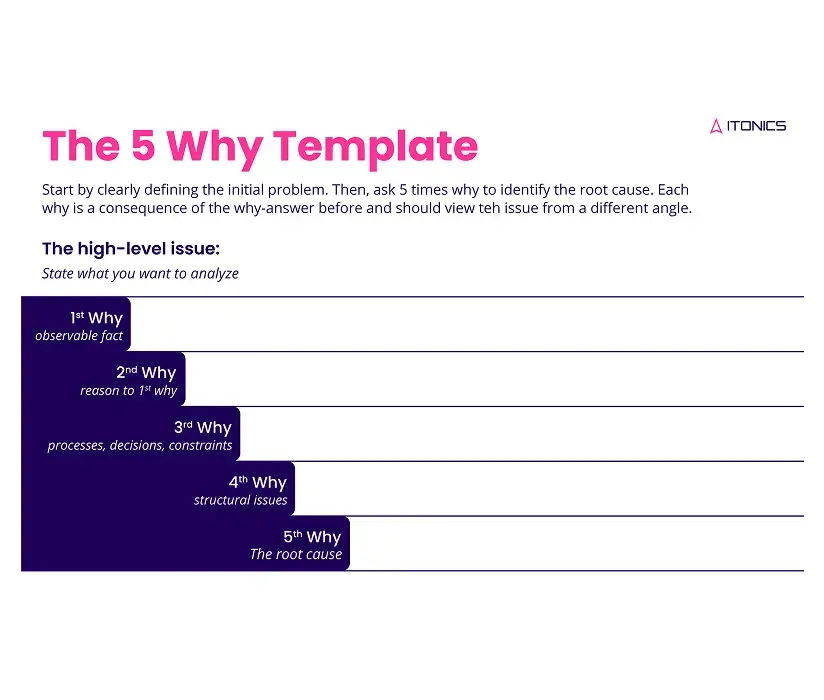
Exhibit 6: The 5 Whys template helps to identify the real root cause
For example, a weakness such as low conversion may be driven by unclear positioning, a fragmented target audience, or missing capabilities. External threats may stem from deeper shifts in customer expectations or industry structure.
This step is critical. It turns a descriptive swot analysis into a causal one. Without it, prioritization will focus on visible issues instead of structural drivers.
Once causes are visible, evaluate them along two dimensions.
This evaluation replaces the generic ranking. It helps compare very different issues on a common scale. It also clarifies which causes matter now and which can wait.
At this point, it becomes possible to evaluate opportunities realistically and to see which weaknesses must be addressed first.
After ranking and scoring the “whys,” introduce a hard constraint:
If we could only address three of these causes in the next cycle, which would we choose and which would we explicitly not choose?
The final step is explicit choice. Select a small number of causes to address and explicitly decide which ones will not be addressed in the current cycle.
This is where most frameworks fail. Choice-driven SWOT makes exclusion mandatory. It creates focus and commitment.
The output is not a completed swot matrix. It is a set of priorities that guide strategic management, resource allocation, and execution decisions.
In previous years, the marketing team defined priorities using a mix of goal setting, initiative roadmapping, and retrospective performance reviews. Yet, when decisions became difficult, priorities were ultimately shaped by experience, confidence, and intuition rather than facts.
This year, the team deliberately changed its approach. Instead of starting with goals or initiatives, it applied a choice-driven SWOT analysis to ground prioritization in evidence and force explicit decisions.
The team documents internal strengths and weaknesses based on measurable outcomes, emphasizing internal qualities that impact marketing effectiveness.
Strengths are specific and evidence-based.
Paid social experiments show strong performance for defined audiences. R&D and defense leads increased by +517 percent, with contacts up +163 percent. Organic search maintains high demo conversion at 86 percent despite declining overall demo volume. Content mentioning AI scales visibility and pipeline contribution, generating 656k revenue influence and increasing AI referrals from 6 to 50.
Weaknesses are equally concrete.
GSA performance declines. High-interest visits drop. Demo bookings fall by 6 percent despite stable traffic. Nurturing is ineffective, with 70 percent of demo contacts stalling at the request stage and email engagement below 1 percent. Data quality limits attribution, with many contacts lacking company size or role detail.
Each item is logged without interpretation to ensure clarity on the company’s weaknesses.
The team captures external developments affecting marketing outcomes, including international events and other factors influencing the external environment.
Brand-led differentiation increases in importance across SaaS. Brand commoditization accelerates in innovation software. Competitors over-claim AI capabilities despite low maturity. Core competitors stagnate while adjacent platforms commoditize execution workflows.
These are recorded as external trends, not opportunities or threats, to maintain objectivity in the SWOT framework.
The team then links internal and external factors, incorporating insights from industry experts and multiple perspectives.
Strong paid social performance works only when messaging is audience-specific. Weak demo conversion correlates with generic landing pages and non-segmented nurture flows. Declining visits align with unspecific value propositions across roles.
Externally, increased competition and brand commoditization amplify the same issue. Generic messaging no longer converts.
The root cause becomes clear: marketing effectiveness depends on audience specificity, but execution is inconsistent.
Audience mismatch scores highest on impact. It affects contact quality, demo conversion, pipeline influence, and brand perception. It also scores high on urgency due to competitive pressure and declining attention.
Other issues, such as visual product showcasing or community-led recommendations, score lower on urgency and are sequenced later.
The team commits to one priority:
Specify target audience messaging to achieve 1.6× new contacts from R&D, strategy, and product development.
This decision immediately changes execution.
Multi-audience landing pages are deprioritized. Budget shifts to audience-specific PaidAds pages. Nurture concepts are rebuilt by role. Generic content updates are paused.
The output is not a completed SWOT matrix but a clear action plan that governs the 2026 marketing roadmap, resource allocation, and performance tracking, ensuring alignment with strategic priorities and internal capabilities.
Clear strategic priorities only create value when they guide execution consistently. This is where many strategies fail. Decisions drift. Context is lost. Teams revert to local optimization.
ITONICS provides the operating system to carry strategic priorities into daily work. It connects analysis, decision-making, and execution in one shared environment.
/Still%20images/Roadmap%20Mockups%202025/portfolio-link-projects-teams-and-milestones-2025.webp?width=2160&height=1350&name=portfolio-link-projects-teams-and-milestones-2025.webp)
Exhibit: A project roadmap showing connections between milestones, teams, and projects inside ITONICS
With ITONICS, internal factors, external factors, and strategic priorities live in the same system. Teams no longer manage insights in slides and execution in spreadsheets. Strategy remains visible, current, and actionable.
ITONICS helps eliminate information silos by centralizing market trends, decisions, initiatives, and outcomes. Everyone - from board members to community members - works from the same source of truth. This reduces duplication, misalignment, and rework across departments.
The result is confidence. Confidence that teams are working on the right things. Confidence that execution reflects strategy. Confidence that priorities are driving outcomes, not just discussion.