Food industry trends
Adapt quicker to changing consumer preferences and new technologies and leverage trend radars, source global food trends, and collaborate with start-ups effectively by centralizing innovation efforts on one unified platform.
Agriculture, food & drink industry trends 2026+
Food and drink confronted a profitability crisis in 2025 as consumer behavior shifted faster than supply chains could adapt. Grocery prices stabilized after years of inflation, yet volume sales dropped 4.2% but consumers weren't buying less food, they were buying differently.
Yet 2025 also accelerated transformations that could redefine the industry. Regenerative agriculture moved from niche to mainstream as Walmart committed to sourcing 20% of produce from regenerative farms by 2027, while PepsiCo expanded its program to 2 million acres.
The shift was driven by converging forces: climate pressures making conventional agriculture riskier, health trends fragmenting mass markets, and technology making personalized nutrition economically viable.
The food and drink companies that will lead in 2026 are those that treated 2025's disruption as a market reset. Those rebuilt portfolios around health and sustainability, investing in alternative proteins, and accepting that scale without adaptability is now a liability.
This agriculture, food, and drink trend report examines the key factors shaping the industry.
Want to explore any trend details?
Interact with the ITONICS Food Industry Trend Radar.
New and declining trends for 2026
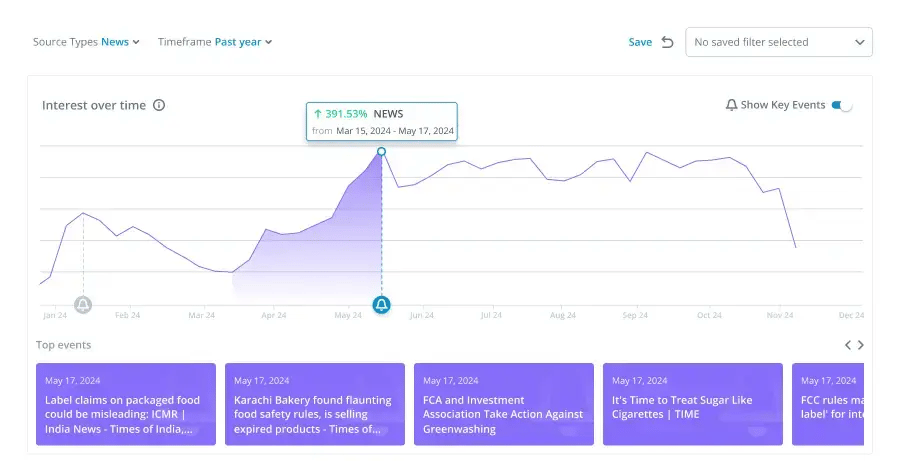
The trends tracked in this year's report reflect how 2025's market disruption prioritized technologies delivering immediate value over regulatory compliance that's already baseline. Smart packaging innovations further emerge and carry on food labeling regulations.
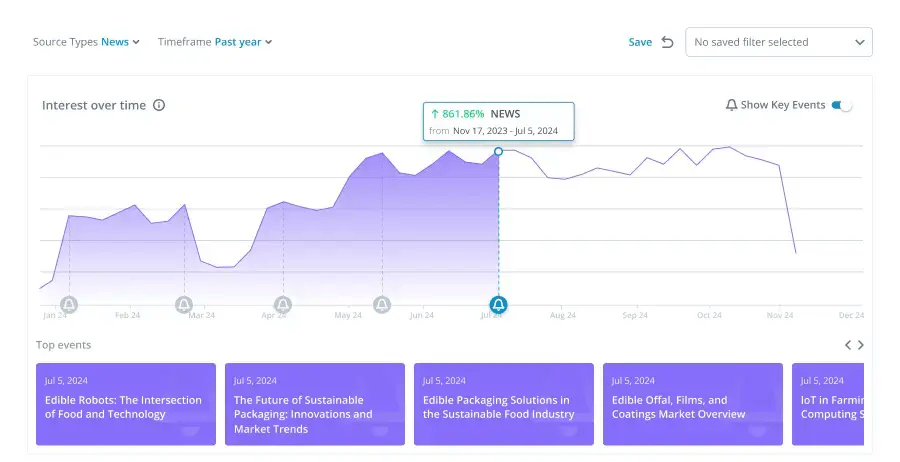
They serve as a strategic differentiator addressing food waste, supply chain visibility, and consumer engagement simultaneously. Active packaging that extends shelf life, sensors that verify freshness, and QR codes that provide full traceability scaled from premium products to mainstream adoption. This trend addresses food and drink's core 2025 challenges: profit margin pressure, sustainability mandates, and consumer demands for proof rather than promises.
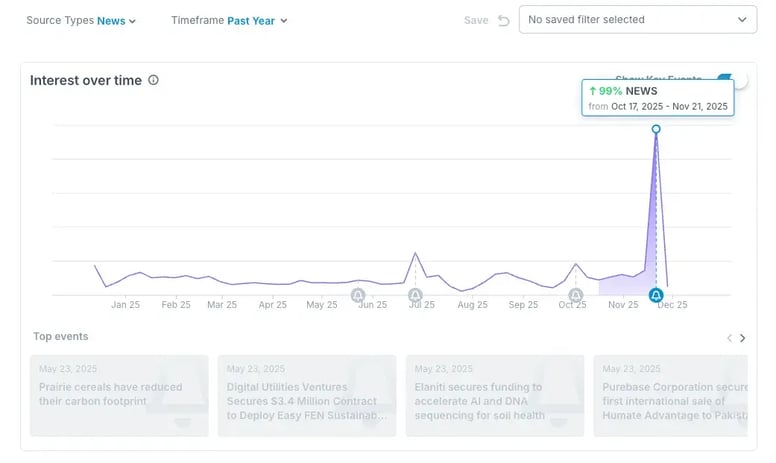
- Engineered soil microbiomes for sustainable and resilient agriculture expanded from experimental farms to commercial deployment as climate volatility made soil health operational necessity rather than long-term investment.
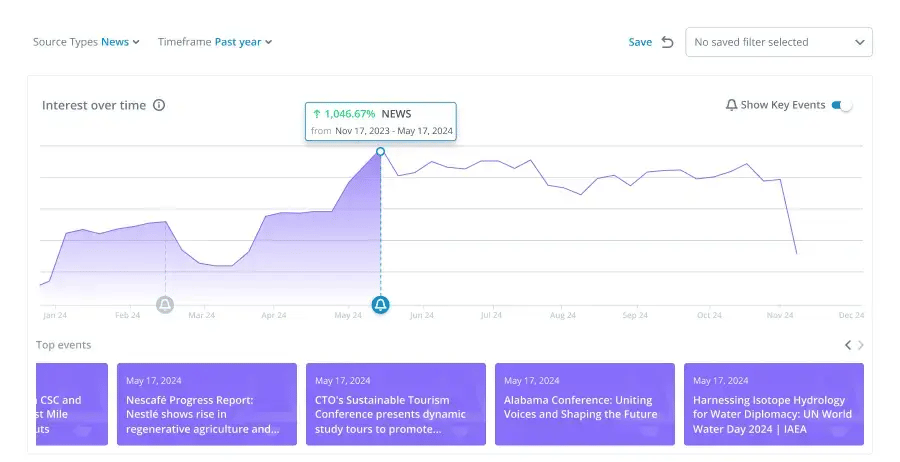
- Edible sensors and intelligent food monitoring systems evolved from research curiosities to supply chain infrastructure that provides real-time quality data.
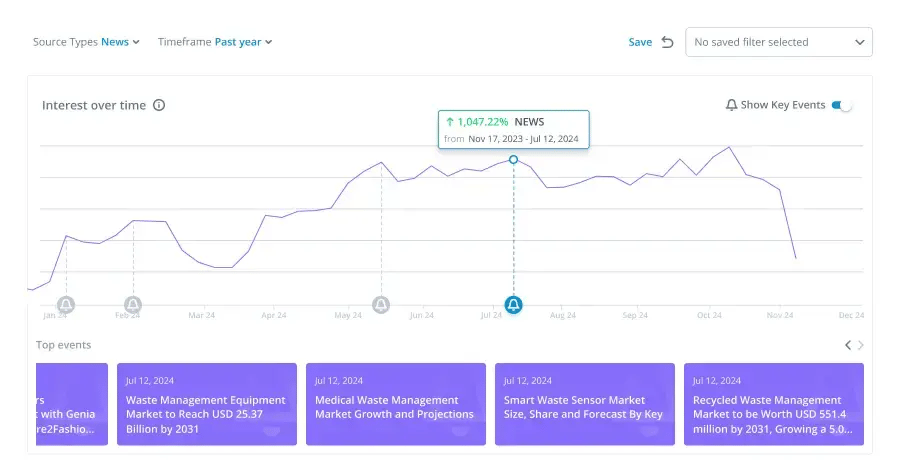
- Advanced water stewardship and source replenishment strategies scaled as water scarcity and regulatory pressure made consumption reduction and watershed restoration business imperatives rather than CSR initiatives.
These changes reflect an industry where technology's value shifted from compliance and efficiency to differentiation and resilience, where innovation happens in packaging and agriculture as much as in product formulation.
Agricultural production trends
The agricultural production segment is evolving through tech advancements like autonomous farming and AI-powered precision agriculture, boosting efficiency and sustainability. Social trends focus on sustainable practices and youth engagement, making farming more community-oriented.
Ecological shifts include biodiversity preservation and water-saving measures, while political mandates and subsidy reforms push sustainable practices. These trends point to a smarter, more resilient future for agriculture.
In the following, we highlight the three most critical agriculture production trend developments. Download here the complete list of all 123 trends, affecting the agriculture, food, & beverage industry 2026+.
Synthetic Biology for Custom Crop Traits
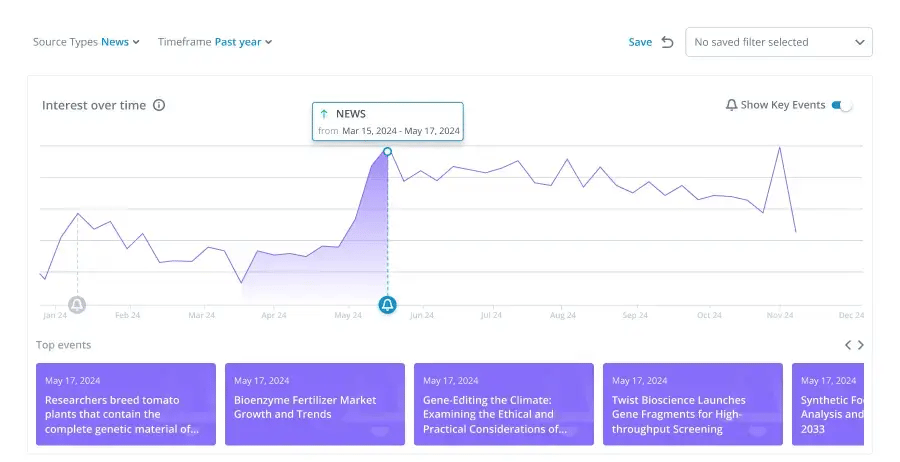
Summary: Synthetic biology will enable the development of crops with tailor-made traits such as enhanced nutrition and climate resilience.
Current Situation: Synthetic biology, an emerging branch of science, allows for the design of new biological pathways to create crops with specific traits. While traditional genetic modification is known, synthetic biology extends beyond by assembling entirely new biological functions. Currently, its application in agriculture is still in the experimental phase with ongoing research focused on developing nutrient-rich, fast-growing, and pest-resistant crops.
Expected Development: Within 8-10 years, synthetic biology will advance to produce custom-designed crops on a commercial scale. This will support global food security by creating crops that can thrive in diverse environmental conditions, have improved nutritional content, and require fewer chemical inputs.
Challenges: Major hurdles include navigating complex regulations, addressing ethical concerns, and overcoming public skepticism about modified crops.
Time to Impact: 8-10 years
Potential Impact: Very High
STEEP Segment: Technological

This year’s trend development
Soil Microbiome Management for Sustainable Agriculture
Summary: Focus on enhancing soil microbiomes is growing as a method for sustainable crop production and soil health restoration.
Current Situation: Advances in DNA sequencing have deepened our understanding of soil microbial communities, revealing their crucial roles in nutrient cycling and plant health. However, translating this knowledge into practical applications is challenging due to the complexity of soil ecosystems and variability across different environments.
Efforts are underway to develop biofertilizers and biostimulants that harness beneficial microbes, but their effectiveness can be inconsistent in real-world conditions. Additionally, standardizing research methods and overcoming legal constraints remain significant hurdles.
Expected Development: Future trends point toward integrating biotechnology, nanotechnology, and data sciences to engineer soil microbiomes for enhanced sustainability.
This includes creating microbial consortia tailored to specific crops and environments, and employing precision agriculture techniques for targeted application. Collaborative efforts among scientists, policymakers, and farmers are anticipated to establish best practices and regulatory frameworks, facilitating the adoption of microbiome management strategies.
These advancements aim to reduce reliance on chemical fertilizers and pesticides, promoting more resilient and productive agricultural systems
Challenges: Standardization of Protocols: Developing consistent methods for studying and applying soil microbiome management is difficult due to diverse soil types and environmental conditions.
Temporal Variability: Soil microbial communities change over time, complicating the assessment of management practices' long-term effectiveness.
Legal and Regulatory Barriers: Navigating varying legal frameworks can hinder research and the implementation of microbiome-based solutions in agriculture.
Time to Impact: 4-6 years
Potential Impact: High
STEEP Segment: Ecological

This year’s trend development
Collaborative Farming Networks for Knowledge Sharing
Summary: Collaborative networks are enhancing knowledge sharing and sustainable practices among farmers.
Current Situation: Collaborative farming platforms and local cooperatives are helping farmers share knowledge and resources, boosting resilience and efficiency. These networks, both online and in-person, are at an early stage and are mostly limited to community-driven initiatives or pilot programs in developed regions.
Expected Development: In the next 2-4 years, more specialized digital platforms will emerge to facilitate real-time data and best-practice sharing. These networks will promote the adoption of new technologies and sustainable methods, especially in developing regions.
Challenges: Digital literacy and access to high-speed internet in rural areas remain significant hurdles.
Time to Impact: 2-4 years
Potential Impact: High
STEEP Segment: Social

This year’s trend development
Food trends
The food segment is transforming with tech advances like smart packaging and AI-driven safety. Social trends emphasize community-supported networks and food as a shared experience, engaging health-conscious consumers. Economically, local production and alternative financing empower smaller producers, while M&A expands sustainable solutions.
Ecological and political changes push for sustainability with clearer labeling and waste reduction protocols. Circular economy models and renewable energy adoption aim to make the food industry more transparent, resilient, and eco-friendly.
In the following, we highlight the three most critical food trend developments. Download here the complete list of all 123 trends, affecting the agriculture, food, and beverage industry 2026+.
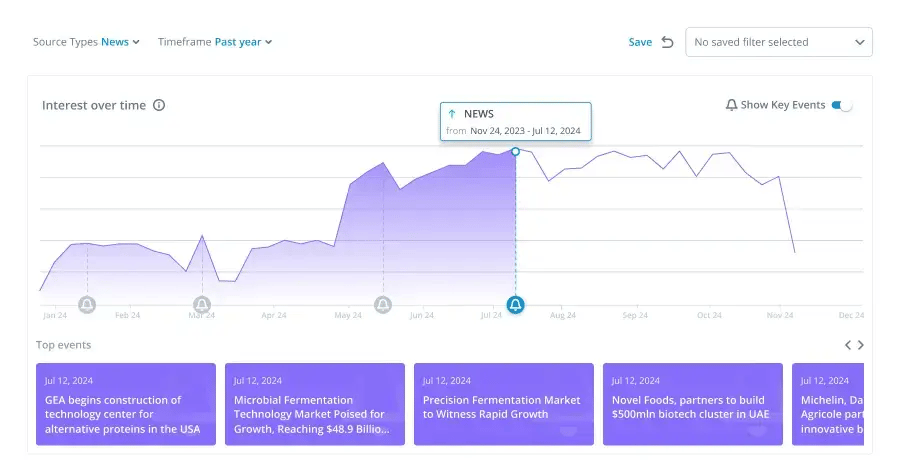
Precision Fermentation Expansion
Summary: Precision fermentation is redefining food ingredient production through microbial engineering for sustainable and scalable alternatives.
Current Situation: Precision fermentation uses engineered microbes to produce proteins and other compounds, currently focused on plant-based dairy and protein replacements. While in the development phase, it is already being used in niche products, with research expanding its potential applications in the food industry.
Expected Development: Over the next 4-6 years, precision fermentation will scale up, making specialty ingredients more affordable. Enhanced bioreactors and optimized microbial strains will improve efficiency and reduce costs, integrating these methods into mainstream food production.
Challenges: High production costs and securing regulatory approvals are significant challenges, along with consumer acceptance of lab-created food ingredients.
Time to Impact: 4-6 years
Potential Impact: High
STEEP Segment: Technological

This year’s trend development
Edible Sensors and Intelligent Food Monitoring Systems
Summary: Edible sensors are being developed to track food quality and safety from production to consumption, enhancing monitoring systems.
Current Situation: Edible sensors use micro-scale, ingestible technology embedded in food to track freshness, temperature, and contamination levels. While still in the prototype stage, this technology is gaining interest for its potential to revolutionize quality assurance and food safety.
Expected Development: In the next 6-8 years, integration with blockchain and IoT will enable seamless tracking of food products through the supply chain, enhancing transparency and reducing waste. This innovation will improve supply chain resilience and consumer trust in product quality.
Challenges: Challenges include reducing the cost of production, achieving widespread regulatory approval, and addressing consumer concerns regarding the safety of ingesting sensors.
Time to Impact: 6-8 years
Potential Impact: High
STEEP Segment: Technological

This year’s trend development
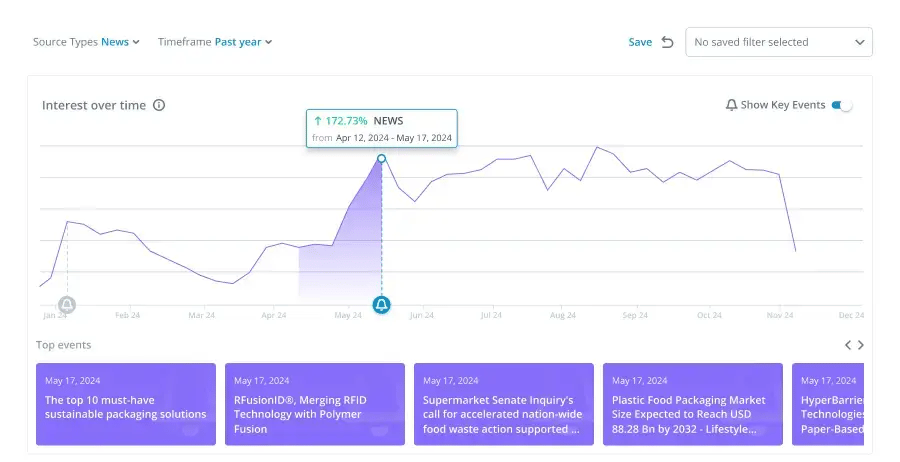
Smart Packaging Innovations
Summary: Smart packaging integrates technology that monitors food quality, enhances shelf life, and communicates with consumers, revolutionizing food preservation and safety.
Current Situation: While QR codes and freshness indicators are present, innovations like active packaging with sensors that react to environmental changes and communicate with IoT devices are still in early stages.
Expected Development: Widespread adoption of packaging that can track temperature, humidity, and spoilage indicators, linking this data with consumer apps and supply chain systems for better transparency and waste reduction.
Challenges: Development costs and standardization are barriers, along with consumer trust and potential data privacy concerns.
Time to Impact: 4-6 years
Potential Impact: High
STEEP Segment: Technological

This year’s trend development
Beverage trends
The beverage industry is evolving through trends in technology, sustainability, and consumer preferences. AI, smart packaging, and precision fermentation are driving product innovation, while social shifts like wellness and cultural diversity push brands to offer healthier and more varied options.
Stricter regulations and ecological goals challenge companies to adopt sustainable practices and comply with safety and environmental mandates. Economic pressures and supportive local production policies are reshaping sourcing and distribution, promoting transparency and eco-friendly practices.
In the following, we highlight the three most critical beverage trend developments. Download here the complete list of all 123 trends, affecting the agriculture, food, & beverage industry 2026+.
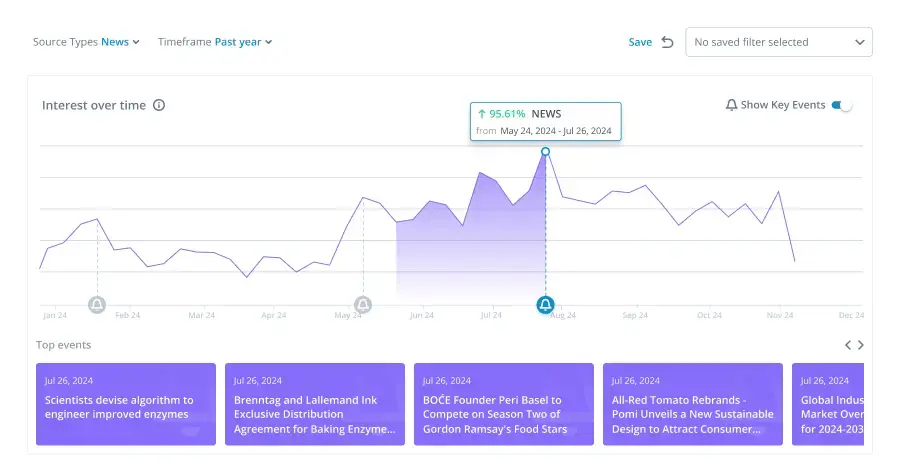
Enzyme Engineering for Flavor and Shelf-Life Extension
Summary: Enzyme engineering is enhancing beverage flavor profiles and extending shelf life, reducing waste and improving product stability.
Current Situation: Enzyme applications are being explored in the beverage industry to break down undesirable components and amplify desired flavors. This technology helps create richer, more appealing drinks while naturally prolonging freshness without needing synthetic preservatives. Although currently in limited use, ongoing research aims to make enzyme engineering more cost-effective and widely applicable.
Expected Development: Over the next 4-6 years, targeted enzyme technology will advance, enabling customized enzyme blends for specific beverages. This will optimize taste, texture, and product stability, supporting a cleaner ingredient profile aligned with consumer health trends.
Challenges: High R&D costs and regulatory scrutiny over the use of food-grade enzymes pose challenges for scaling adoption, particularly for smaller producers.
Time to Impact: 4-6 years
Potential Impact: High
STEEP Segment: Technological

This year’s trend development
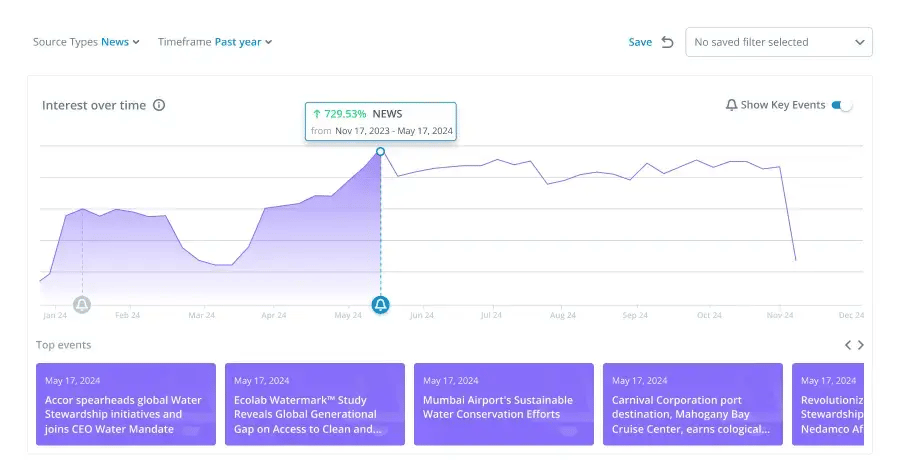
Advanced Water Stewardship and Source Replenishment Strategies
Summary: Beverage companies are implementing advanced water management practices to reduce water usage and support environmental sustainability.
Current Situation: Beverage companies are ramping up water stewardship efforts, focusing on reducing water use, replenishing local sources, and supporting communities. PepsiCo, for instance, aims to save billions of liters annually and achieve a "net water positive" impact.
Partnerships with groups like WaterAid help promote clean water access and sustainable practices. However, challenges include regulatory scrutiny, public backlash over water use in local areas, and managing water usage across supply chains.
Companies like Coca-Cola have faced criticism for adjusting environmental goals, impacting public trust. Despite progress, aligning business goals with environmental and community needs remains a key focus.
Expected Development: In the next few years, beverage companies will step up efforts to use water responsibly and give back to local water sources. They’ll adopt new technologies to save water in their factories and work with communities to solve shared water challenges. Clearer reporting on water use will help build trust with consumers and investors.
Stricter rules from governments will push companies to be more sustainable. Water-saving practices will also be extended to farmers and suppliers, reducing the overall water impact of production. These efforts will make water stewardship a key part of their environmental and business goals.
Challenges: Balancing Business and Community Needs: Ensuring sufficient water availability for both company operations and local communities can be difficult, particularly in regions facing water scarcity.
High Implementation Costs: Upgrading facilities with advanced water-saving technologies and replenishment systems requires significant investment, which may be a barrier for smaller companies.
Complex Supply Chains: Managing water use across diverse and dispersed suppliers, especially in agriculture, adds complexity to achieving meaningful reductions in the overall water footprint.
Time to Impact: 4-6 years
Potential Impact: Very High
STEEP Segment: Ecological

This year's trend development
Direct-to-Consumer (DTC) Expansion
Summary: Beverage brands are increasingly leveraging direct-to-consumer (DTC) models to control customer interactions and build loyalty.
Current Situation: The rise of online sales and subscription services allows beverage companies to bypass traditional retail channels. This direct access helps brands manage customer engagement, test new products quickly, and establish data-driven marketing strategies. While larger companies are adopting DTC, many smaller producers are finding it challenging due to logistics and scaling issues.
Expected Development: Over the next 2-4 years, more beverage brands will enhance their DTC strategies with personalized marketing, AI-based analytics, and innovative e-commerce solutions. This will facilitate better customer retention and data-driven decision-making, strengthening brand loyalty.
Challenges: Logistics, fulfillment scalability, and competition with established retail networks remain key obstacles, particularly for new entrants.
Time to Impact: 2-4 years
Potential Impact: High
STEEP Segment: Economic
-Expansion.webp?width=900&height=463&name=9.Direct-to-Consumer-(DTC)-Expansion.webp)
This year's trend development
Distribution, consumption, & waste management trends
The Distribution, consumption, & waste management segment is moving toward sustainability and efficiency through trends like AI-driven logistics, biodegradable packaging, and waste-to-energy technologies. Social and economic shifts, such as community-based initiatives and circular business models, are driving responsible practices and cost-effective operations.
Political and ecological pressures, including stricter regulations and incentives, push companies toward green practices. Despite challenges like costs and compliance, these trends point to a future of efficient, eco-friendly supply chains that minimize waste and meet consumer and regulatory expectations.
In the following, we highlight the three most critical distribution, consumption, & waste management trends. Download here the complete list of all 123 trends, affecting the agriculture, food, & beverage industry 2025+.
Rise of Biodegradable Smart Labels
Summary: Biodegradable smart labels monitor food freshness and quality without adding to plastic waste.
Current Situation: Biodegradable smart labels are in the early stages of development, integrating sensors that detect food spoilage indicators like temperature and humidity. These labels offer real-time updates on food quality and can be composted, making them environmentally friendly. While the technology is still limited to trials and niche applications, interest is growing as companies seek sustainable packaging solutions.
Expected Development: In 4-6 years, biodegradable smart labels will become cost-effective and widespread, capable of tracking multiple parameters and supporting a transparent supply chain. As adoption increases, they will help reduce waste and promote eco-friendly practices, gaining popularity with consumers and regulatory bodies pushing for sustainable solutions.
Challenges: The main hurdles include production scalability, cost reduction, and ensuring sensor accuracy to maintain reliability in different environments.
Time to Impact: 4-6 years
Potential Impact: Medium to High
STEEP Segment: Technological

This year’s trend development
Growth of Waste Valorization Markets
Summary: Turning waste into economic assets is creating new revenue streams in food and packaging.
Current Situation: Waste valorization, the process of converting waste into valuable products like bioplastics and animal feed, is being explored by companies looking to reduce environmental impact and tap into new markets. Initial projects are focused on food and agricultural waste, with successful case studies demonstrating reduced waste and added profitability.
Expected Development: In the next 4-6 years, the waste valorization market will expand, fueled by advancements in technology and stronger sustainability regulations. More companies will adopt these practices to align with environmental goals and generate additional income, integrating waste processing into their supply chains.
Challenges: High research and development costs, process scalability, and fluctuating market prices for secondary products can hinder widespread adoption.
Time to Impact: 4-6 years
Potential Impact: High
STEEP Segment: Economic

This year's trend development
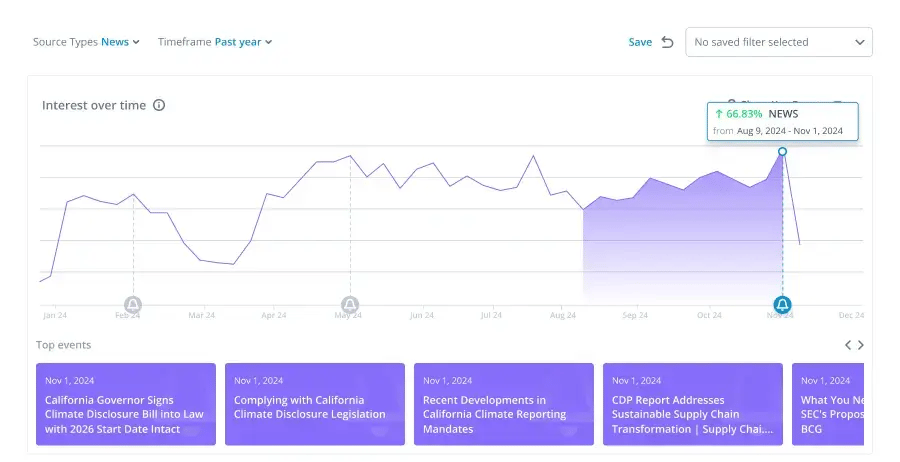
Mandatory Climate Risk Disclosure
Summary: New regulations mandate that companies disclose climate-related risks in their supply chains.
Current Situation: Regulations are emerging that require food distribution companies to report on climate risks affecting their supply chains. These disclosures help identify vulnerabilities and encourage mitigation strategies. While the practice is still gaining traction, it is becoming more prominent in regions with strong climate policies.
Expected Development: In 2-4 years, climate risk disclosure will become standard practice, influencing investment and operational decisions. This will push companies to adopt climate-resilient practices and improve transparency, making sustainability a core business consideration and fostering consumer and investor trust.
Challenges: The biggest challenges include high administrative costs, extensive data collection efforts, and the risk of negative market response if vulnerabilities are revealed.
Time to Impact: 2-4 years
Potential Impact: High
STEEP Segment: Political

This year's trend development