Innovation Tools & Techniques: The Ultimate Guide


Research from Harvard Business Review shows that organizations that maintain a competitive advantage leverage a distinct set of innovation tools and methods compared to their more traditional peers. It may come as no surprise that many of these methods are designed to manage uncertainty and have been popularized by startups, e.g., design thinking and the lean startup method.
And what startups often get right is the composition of their toolset. With fewer resources and more limited budgets, startups need to move fast, experiment efficiently, and make data-driven decisions—which is why they rely on structured yet flexible innovation methods to test ideas, refine business models, and scale effectively. These same principles apply to enterprises that want to stay agile, reduce risk, and accelerate innovation in an increasingly competitive landscape.
For organizations of any size, having the right innovation toolbox is critical. Whether tracking emerging trends, generating breakthrough ideas, or managing an innovation portfolio, structured tools and methodologies help teams prioritize efforts, make smarter investment decisions, and drive measurable outcomes. Without a well-defined approach, innovation can become fragmented, leading to inefficiencies, misaligned priorities, and missed opportunities.
In this guide, we’ll explore the essential innovation tools and techniques that help organizations streamline their innovation processes, improve decision-making, and drive real impact. Plus, we’ll introduce the ITONICS Innovation Toolbox, an interactive collection of 80+ proven methods designed to help businesses operationalize innovation with confidence—ensuring that the right tools are applied at the right time for maximum success.

Selecting the right innovation tools isn’t just about having more methods at your disposal—it’s about applying the right ones at the right time. A well-equipped innovation team needs a toolbox that supports the full end-to-end innovation process—from identifying opportunities to executing and scaling new ideas.
Building an effective innovation toolbox requires careful consideration of:
The most successful organizations don’t just collect tools or choose the most popular method—they curate them strategically to support their unique approach to innovation. Research shows that leading innovation teams combine different methods to manage uncertainty, prioritize the right initiatives, and drive results efficiently.
But beyond selecting the right methods, another key factor is how and where these tools are applied. For instance, idea generation and idea refinement are often used interchangeably, but they serve very different functions. Idea generation focuses on exploration, inspiration, and creativity, while idea refinement is about validation, prioritization, and execution. Both are essential but must be applied at the right stage within a structured framework to be effective.
To help innovation leaders make smarter, more strategic choices, the ITONICS Innovation Toolbox provides a structured approach to selecting and applying the right tools at each stage of the innovation process.
Creating a well-equipped innovation toolbox isn’t about using as many tools as possible—it’s about selecting and applying the right ones to support your innovation strategy. To do this effectively, organizations must take a structured approach, ensuring that each method aligns with their goals, challenges, and capabilities.
The ITONICS Innovation Toolbox provides a framework to help organizations operationalize end-to-end innovation by mapping methodologies to specific innovation capabilities. Below, we outline a four-step guide to help you identify, refine, and implement the tools that will drive the most impact for your organization.
Before selecting specific tools, it’s essential to evaluate the current structure, maturity, and performance of your organization’s innovation process. This assessment will help you identify strengths, gaps, and areas where additional methods could enhance your innovation capabilities.
A well-rounded innovation process typically consists of four key capabilities:
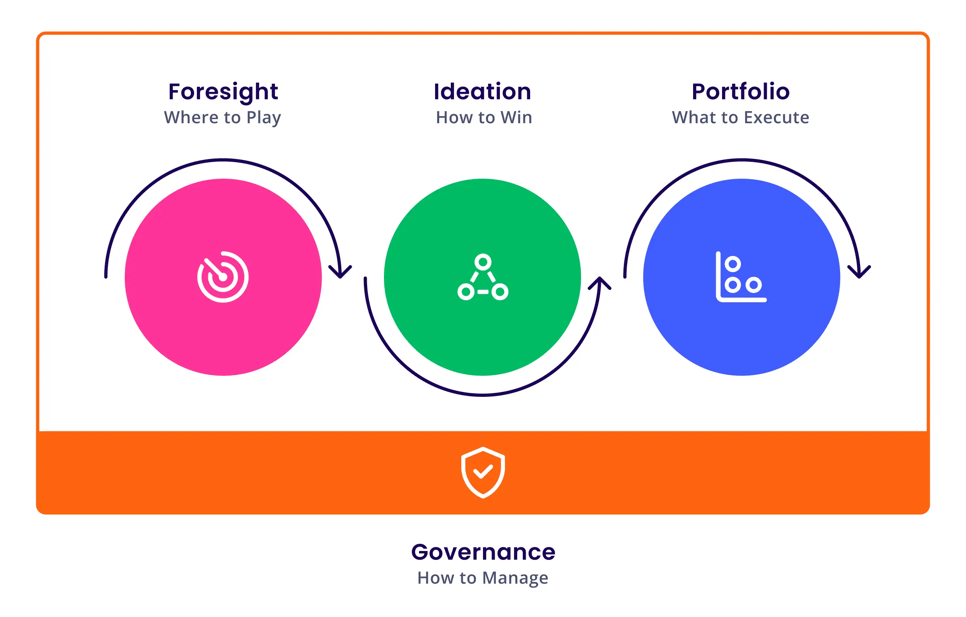
Exhibit 2: The 4 key capabilities of an innovation process
Understanding which part of your innovation process needs reinforcement will allow you to focus on tools that create immediate value and long-term impact.
After identifying your primary innovation capability in Step 1 - whether foresight, ideation, portfolio management, or governance - the next step is to pinpoint specific gaps within that capability (Exhibit 3). These gaps often exist at a more granular level, affecting the activities, workflows, skills, and supporting structures that enable innovation to function effectively.
A lack of clarity on these secondary innovation capabilities can lead to bottlenecks, inefficiencies, or misaligned efforts, making it harder to move from strategy to execution. Addressing these gaps ensures that your innovation process is both well-structured and adaptable, allowing teams to maximize efficiency and impact.
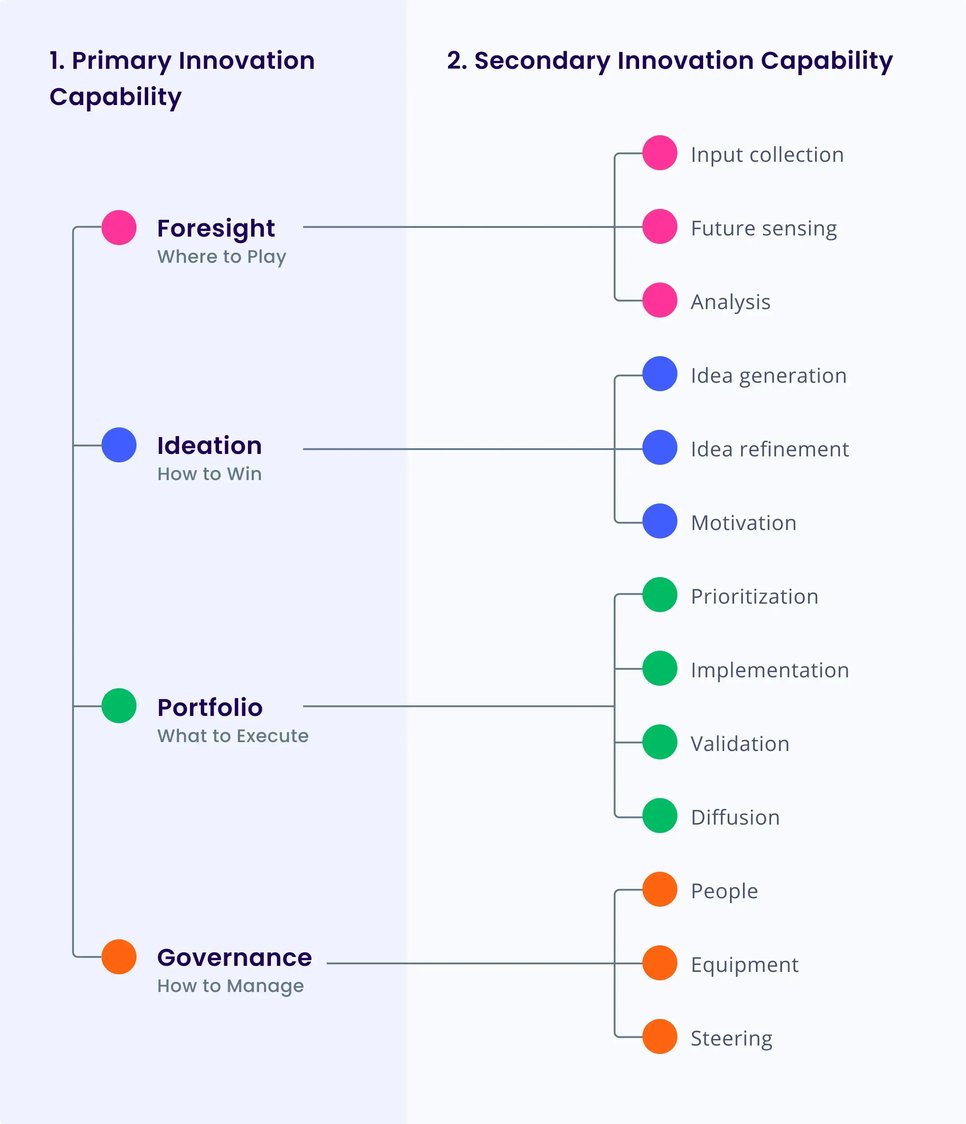
Exhibit 3: Difference between primary and secondary innovation capabilities
Once you’ve selected your primary innovation capability, take a deeper look at where your organization is facing challenges within that domain. These could include:
By taking this targeted approach, you ensure that your toolbox is not just comprehensive, but also highly relevant—filling the right gaps, improving weak spots, and ultimately strengthening your innovation process as a whole.
After identifying the primary and secondary innovation capabilities you need to strengthen, the next step is to define the specific purpose of each innovation tool. Innovation tools serve different functions—some help generate insights, others evaluate opportunities, optimize internal processes, or facilitate strategic decision-making.
Some innovation tools may be multi-purpose, but each should be chosen with a primary function in mind. By understanding the core role each tool plays in your innovation process, you can ensure that it directly supports your broader business strategy and operational needs.
We have grouped the innovation tools into the following categories based on their primary function within the innovation process. These groupings can help you identify which tools align with your specific objectives:
Clearly defining the purpose behind each innovation method ensures that your toolbox is goal-driven and strategically aligned rather than a collection of disconnected techniques. By selecting methods that serve distinct functions organizations can ensure that innovation efforts are structured, effective, and impactful.
There is no one-size-fits-all approach to innovation tools. While many frameworks and methodologies can be broadly applied, an effective innovation toolbox must be tailored to your organization’s unique structure, resources, and strategic priorities. Just because a tool supports your innovation capabilities and serves a clear purpose does not necessarily mean it is the right fit for your organization.
To ensure that your innovation efforts are not only effective but also scalable and sustainable, organizations must consider practical implementation factors. Different tools vary in complexity, cost, and return on effort, and their success often depends on team capacity, technological infrastructure, and leadership alignment. For example:
By evaluating innovation tools within the context of your organization’s specific needs, you can prioritize the most valuable and actionable methods.
As innovation teams work to build a toolbox aligned with their goals, challenges, and capabilities, a new category of tools is becoming indispensable: AI-powered innovation tools. No longer just optional add-ons, these tools are transforming how innovation is done—accelerating workflows, improving insight generation, and enabling better decisions at scale.
According to McKinsey’s latest Global Survey on AI, 78% of organizations now use AI in at least one business function, up from just 55% the year before. The adoption of generative AI (gen AI) is rising even faster, with 71% of organizations regularly using gen AI for tasks like creating text, generating code, or supporting product and service development.
But what sets high-performing organizations apart isn't just their use of AI; as with any tool, it’s how they integrate it. The report shows that companies seeing the most impact from AI are those that redesign their workflows to fully embed AI into their innovation processes. In fact, workflow redesign was the single strongest predictor of bottom-line impact among the 25 organizational attributes McKinsey studied.
What does this mean for innovation teams? It means that AI now plays a critical role across the entire innovation lifecycle—from identifying signals of change and generating new ideas to evaluating opportunities and optimizing execution. By automating routine tasks and surfacing new connections in complex data, AI doesn’t just make innovation faster—it makes it more strategic, structured, and scalable.
At ITONICS, we've identified the top five high-impact use cases for AI in innovation, based on real-world deployments across leading organizations:
These use cases demonstrate the tangible ways AI can augment human capabilities and bring structure, speed, and scale to innovation.
The takeaway is clear: AI has moved from experimental to essential. The question is no longer whether AI belongs in your innovation toolbox—it’s how to integrate it intentionally, and where it can deliver the most value.
The pace of innovation demands faster insights, smarter decisions, and more scalable collaboration - and that’s where the ITONICS AI Toolbox (Exhibit 4) comes in. Designed specifically for innovation professionals, this suite of intelligent assistants supports key activities across foresight, ideation, portfolio planning, and strategy execution.
Each AI assistant is purpose-built to simplify complex tasks, spark creativity, and provide decision support—right when and where you need it. Whether you're exploring new opportunities or structuring your next innovation project, these tools act as always-on collaborators to help you move forward with confidence.
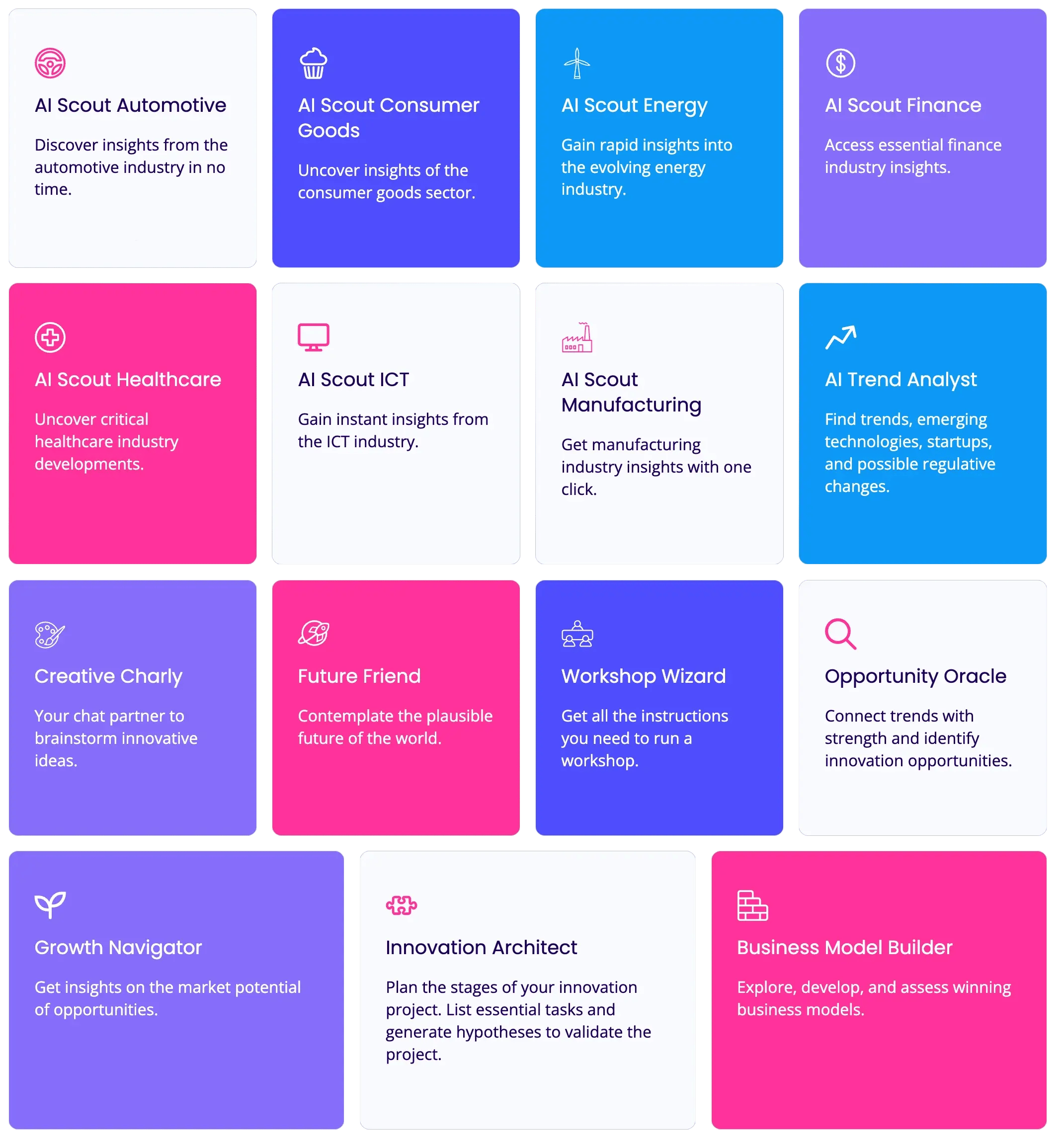
Exhibit 4: Overview of ITONICS intelligent assistants
Building an effective innovation process takes more than individual tools—it takes a unified system. That’s where the ITONICS Innovation Operating System comes in. Designed to centralize every stage of the innovation journey, ITONICS combines best-practice methodologies, AI-driven insights, and collaborative workflows into one powerful platform.
With ITONICS, you can move seamlessly from strategic foresight to ideation, portfolio management, and execution—all in a single connected ecosystem. Whether you're tracking emerging trends, evaluating ideas, or allocating resources across innovation portfolios, ITONICS gives your team the structure, speed, and scalability to deliver measurable impact.
The Innovation OS integrates:
Best-practice innovation methods through the ITONICS Toolbox
AI assistants to supercharge foresight, ideation, and decision-making
Customizable workflows to match your governance and processes
Real-time dashboards and reports to track progress and ROI
Enterprise-grade scalability for teams of 10 or 10,000
ITONICS is more than software—it’s your system for scalable, strategic, and successful innovation. Explore the platform, test the tools, and take the next step in transforming your innovation capabilities.