Audit your new product development process with 20 key questions

Most product teams don't fail because of a lack of ideas. Instead, they fail when they can't answer 20 critical questions about the products they're building.
Every year, organizations invest millions in new product development (NPD) only to watch promising concepts collapse under avoidable mistakes. The culprit is the absence of systematic scrutiny at the moments that matter most.While product teams obsess over features, timelines, and budgets, they rarely pause to audit the foundational assumptions driving their development effort.
The gap between a product that launches and a product that succeeds comes down to disciplined questioning.
Auditing your new product development process regularly is a strategic imperative that separates high-performing product teams from those that struggle to deliver consistent results. Regular audits create visibility into whether your development effort aligns with market realities, customer needs, and organizational capabilities.
They transform vague innovation ambitions into actionable insights that drive continuous improvement and competitive advantage.
Product teams face relentless pressure to deliver new products that solve customer problems while staying competitive in rapidly shifting markets. The stakes are high: a flawed product development process can drain resources, miss market demands, and erode competitive advantage before a product ever reaches market launch.
Yet many organizations lack a clear understanding of whether their development effort is focused on the right priorities or simply churning through product ideas without strategic alignment.
/Still%20images/Radar%20Mockups%202025/foresight-keep-everything-on-your-radar.webp?width=2160&height=1350&name=foresight-keep-everything-on-your-radar.webp)
Exhibit 1: Map external landscape with radars to spot which market needs aren't reflected
Most product teams generate ideas constantly. The real issue is disciplined execution: ensuring that concept development, technical feasibility, and business analysis converge into a structured approach that consistently delivers value.
Without regular audits of the new product development process, teams operate on assumptions rather than evidence, leading to costly mistakes that could have been avoided with a proactive approach to continuous improvement.
Why disciplined audits prevent costly mistakes in new products
A disciplined audit of your NPD process acts as a valuable tool for identifying gaps before they compound into failures. It forces product teams to examine:
whether the main stages of development are connected,
whether customer feedback is integrated early enough, and
whether the development team has the capabilities to execute on the product concept.
All of the above is rather about making informed decisions that improve efficiency and reduce the risk of launching products that don't resonate with the target market, instead of being about bureaucracy.
Audits reveal many factors that influence success:
whether market research is deep enough,
whether the target audience is defined with precision,
whether quality control and regulatory compliance are baked into the initial design rather than retrofitted later.
They also expose whether the marketing strategy is grounded in real users' needs or built on untested assumptions. By systematically questioning the entire process, organizations can identify opportunities to strengthen the product development lifecycle and ensure that each development effort contributes to staying competitive and growing market share.
Before diving into diagnostic questions, it's essential to establish what a robust product development process looks like today. Understanding the main stages and core principles that define modern NPD provides the foundation for meaningful audits.
The most effective processes share common essential elements: they're structured yet flexible, customer-centric by design, and built on cross-functional collaboration that eliminates silos between the development team and other critical functions.
The modern product development process is built on a sequence of main stages designed to move from idea generation to successful product launch with minimal waste and maximum learning. While frameworks vary - some reference seven stages, others condense or expand - the essential elements remain consistent:
identifying opportunities through market research,
screening and refining generated ideas during idea screening,
developing the product concept into a technical design,
testing feasibility and market fit, and
preparing for market launch with a coordinated marketing team and clear go-to-market strategy.
What distinguishes effective NPD processes today is integration across functions. The development team collaborates closely with the marketing team, quality control specialists, and business analysts from the earliest stages. Regulatory compliance isn't an afterthought, but it's embedded in the initial design. Test marketing and customer interviews happen iteratively and not just at the end of the complete process.
/Still%20images/External%20Webpage%20Mockups%202025/portfolio-share-roadmaps-2025.webp?width=2160&height=1350&name=portfolio-share-roadmaps-2025.webp)
Exhibit 2: One product roadmap that is always current and accessible to everyone
This structured approach ensures that each product development stage builds on validated insights rather than untested assumptions, reducing the likelihood of costly mistakes and improving the chances of a successful launch.
At its core, product development focuses on solving customer problems instead of building features for their own sake. This customer-centric orientation defines the difference between innovative products that gain traction and those that fail to connect with market demands.
Understanding customer needs and customer expectations requires deep engagement with real users through customer interviews, usability testing, and continuous analysis of customer feedback throughout the product development lifecycle.
This focus on solving customer problems shapes every decision: which product ideas to pursue during further development, which key features to prioritize, how to articulate the value proposition, and how to position new products against existing products and competitive substitutes.
It also drives continuous improvement to ensure that product improvements are guided by user needs rather than internal assumptions. Organizations that consistently audit whether their development effort remains anchored to genuine customer problems are better equipped to stay ahead of market trends, defend their competitive advantage, and deliver a finished product that creates real value for the target audience.
These 20 questions form a comprehensive audit framework for evaluating your new product development process. They're organized into five categories that mirror the critical dimensions of successful product development: strategic alignment, concept strength, process rigor, customer insight, and launch readiness.
Use them as a diagnostic tool to identify gaps, validate assumptions, and prioritize areas for improvement across the entire process.
Strategic clarity separates purposeful innovation from reactive idea generation. This category examines whether your product development effort is anchored to genuine market opportunities and competitive realities and not just internal enthusiasm for new product ideas.
A strong product concept translates customer insight into a compelling value proposition. This category evaluates whether your concept is sharp enough to guide development decisions and resonant enough to drive customer action.
Process rigor and technical realism determine whether promising concepts become viable products. This category examines the infrastructure and discipline that support execution.
Customer insight is the foundation of products that succeed in the market. This category evaluates the depth and quality of your understanding of the people you're building for.
Even excellent products fail without effective launch execution. This category examines whether you're prepared to bring the product to market successfully and defend its position over time.
Even the most rigorous audit reveals gaps that organizations struggle to close without the right infrastructure. Manual processes, disconnected tools, and information scattered across spreadsheets and slide decks make it nearly impossible to maintain the discipline and visibility that effective product development requires.
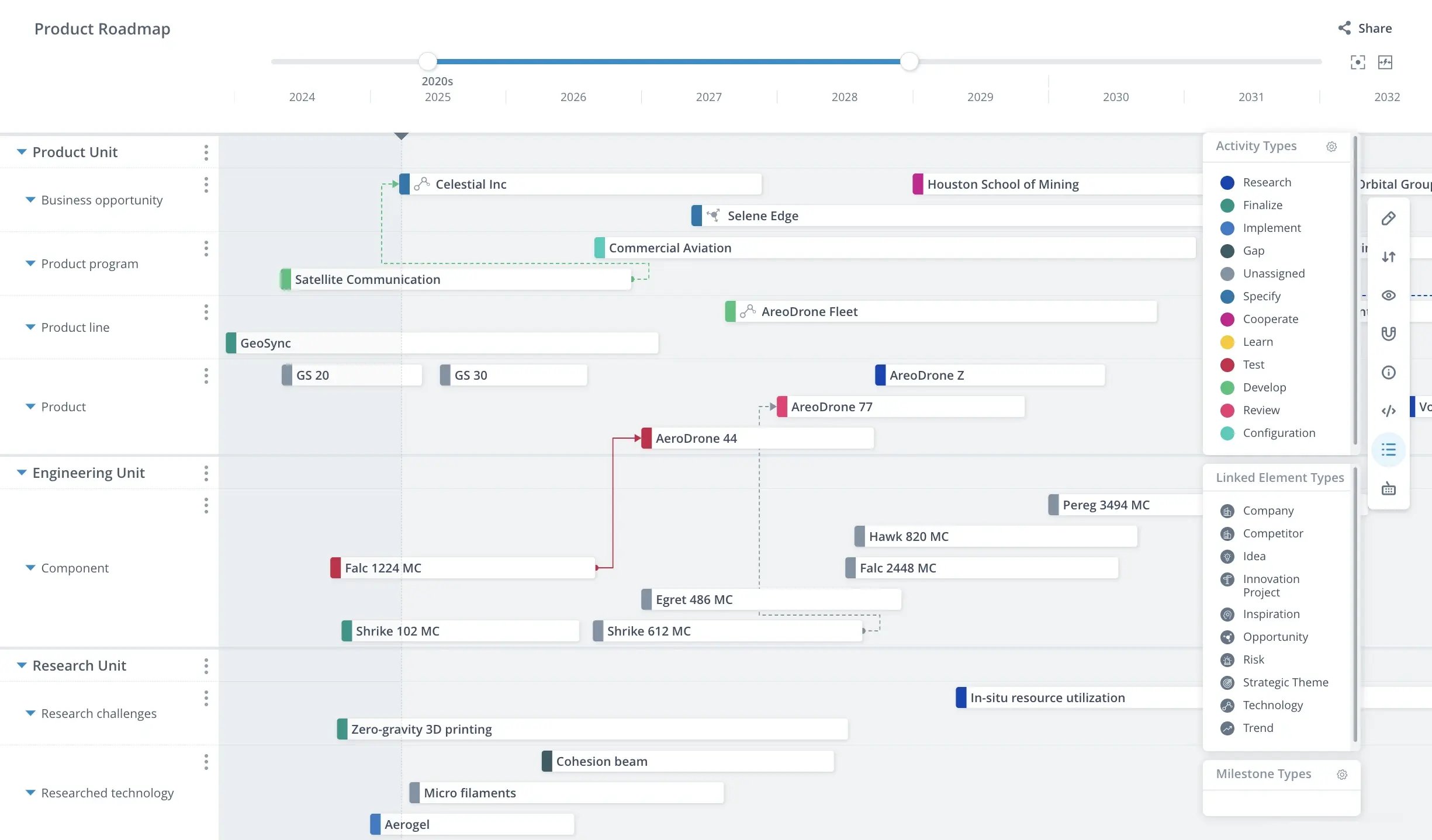
Exhibit 3: Product roadmaps present the current states of the initiatives
This is where purpose-built innovation and product development software becomes essential - as the foundation for strategic thinking that enables it at scale.
Innovation and product development software like ITONICS transforms how product teams execute the entire process, from idea generation through market launch and beyond.
/Still%20images/Reports%20Mockups%202025/portfolio-optimize-portfolio-returns-2025.webp?width=2160&height=1350&name=portfolio-optimize-portfolio-returns-2025.webp)
Exhibit 4: Track portfolio health in real-time with reports and dashboards
The platform addresses fundamental challenges that audits often expose by creating a single source of truth for all product ideas, structuring idea screening with customizable criteria, and connecting market research and customer feedback directly to product concepts so insights actually inform decisions.
ITONICS strengthens cross-functional collaboration - one of the essential elements of successful product development that many organizations struggle to achieve. The development team, marketing team, and business analysts work from shared data, ensuring that technical feasibility, market viability, and customer needs are evaluated together.
This integration accelerates the development effort while reducing the risk of costly mistakes that occur when functions operate in silos.
The platform's portfolio management capabilities allow leaders to visualize the entire product development lifecycle across multiple initiatives simultaneously. This visibility reveals whether resources are properly distributed, whether the pipeline balances incremental product improvements with breakthrough innovative products, and whether stage gates function as intended.
For organizations committed to continuous improvement, ITONICS provides data to track which sources of product ideas yield success, which screening criteria predict market performance, and how accurately teams estimate development effort. These are all insights that help you to stay ahead of market trends and maintain a competitive advantage.
Why structured software helps product teams avoid costly mistakes during concept development
Concept development is where many costly mistakes take root. Especially when assumptions go unchallenged, and teams commit to directions that later prove untenable. ITONICS mitigates these risks by making assumptions visible and testable from the outset, guiding teams through systematic validation of each product concept.
The platform prompts teams to define the target audience with precision, articulate the value proposition clearly, and document evidence from customer feedback and market research. It prevents concepts from advancing based on internal enthusiasm rather than external validation by requiring evidence at each product development stage.
This discipline is especially valuable during the transition to further development, when commitment costs rise sharply.
/Still%20images/Roadmap%20Mockups%202025/portfolio-link-projects-teams-and-milestones-2025.webp?width=2160&height=1350&name=portfolio-link-projects-teams-and-milestones-2025.webp)
Exhibit 5: Score each initiative against strategic priorities
ITONICS integrates regulatory compliance, quality control, and technical feasibility assessment into early stages, ensuring these considerations shape the initial design rather than forcing compromises later. Perhaps most importantly, the platform creates institutional memory: lessons from previous launches, insights from customer interviews, and patterns in what drives successful product launch become organizational assets that help new product teams avoid repeating mistakes and accelerate time to market.
For product leaders conducting audits, ITONICS reveals where concepts stall, which stage gates function effectively, and where the development process deviates from your structured approach.
This visibility transforms audits from subjective assessments into data-informed conversations about how to improve efficiency, strengthen competitive advantage, and increase the percentage of new products that achieve their objectives.
Turn audit insights into action with a structured NPD
Auditing your new product development process reveals where gaps exist, but closing those gaps requires the right infrastructure. The 20 questions above provide diagnostic clarity, and ITONICS provides the platform to act on it.
ITONICS eliminates the fragmentation that undermines NPD by creating a unified environment where idea generation, concept development, and market launch happen with transparency and discipline. By connecting customer feedback, market research, and technical feasibility in a single system, the platform ensures your development team makes informed decisions based on evidence. Evidence helping you avoid costly mistakes and deliver innovative products that solve customer problems.
Ready to strengthen your product development lifecycle? Discover how ITONICS transforms audit insights into a competitive advantage.

.webp?width=900&height=450&name=Top-10-project-portfolio-software-tech-and-development-teams-use-for-managing-innovation-projects-fullwidth%20(1).webp)