Product development methods: 8 emerging trends to know in 2026

You track everything: sprint velocity, feature completion, release cadence. Yet you can't answer the one question that matters: are we building things customers will actually pay for? Most product teams are data-rich and insight-poor.
Product development in 2026 demands more than methodology theater. Daily standups, sprint reviews, and innovation workshops create the appearance of progress while competitors quietly solve the problems customers will pay to fix (Exhibit 1).
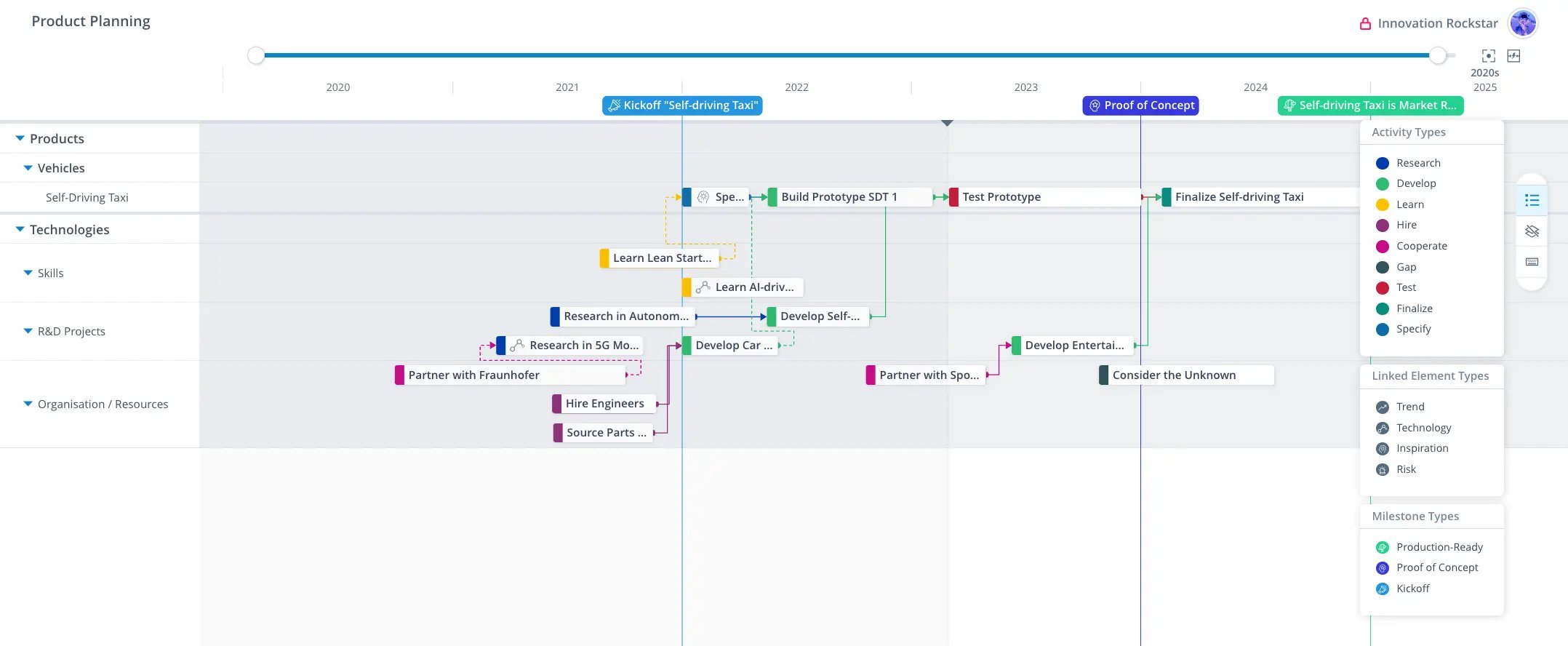
Exhibit 1: Connecting product plans to actionable customer and market insights
The gap between best practices and actual practice has never been wider. Organizations invest in agile transformations, customer feedback systems, and data platforms, yet struggle to translate motion into outcomes:
development teams ship features customers don't use,
product portfolios grow while market share shrinks,
and innovation programs generate activity reports instead of competitive advantage.
This isn't a failure of effort, but a failure of integration. However, the methods work when combined into systems that connect market intelligence to product strategy to development execution to measurable outcomes:
when customer feedback actually reshapes roadmaps,
when data drives decisions in real-time, not quarterly retrospectives,
and when cross-functional collaboration spans ecosystems and not just org charts.
The organizations winning in 2025 have stopped treating product development as a department problem and started treating it as a strategic capability.
This article maps that evolution. From why traditional approaches fail under modern market pressure to how leading development teams are combining agile execution, data-driven precision, AI-assisted insight, and ecosystem collaboration into methods that actually deliver.
Product development methods in 2026 look nothing like they did five years ago. The traditional waterfall approach, being sequential, slow, and bureaucratic, can’t keep pace with market demands that shift quarterly and not annually.
Today’s product development methodology blends agile practices with continuous innovation. Development teams need frameworks that accommodate rapid pivots, emerging technologies, and real-time customer feedback without sacrificing strategic objectives.
Agile frameworks such as Lean, DevOps, and Kaizen play a crucial role in enabling continuous improvement, feedback loops, and seamless value delivery throughout the process.
Modern product development teams treat uncertainty as a feature, not a bug. The product team must align on the product vision and strategic goals, ensuring effective communication and cohesion throughout development. They build user feedback loops into every sprint. They measure success metrics that matter: customer value delivered, not features shipped.
Further, modern product development methods are designed to improve efficiency (Exhibit 2). These aren't incremental improvements, but profound architectural differences in how decisions flow, how information moves, and how teams coordinate.
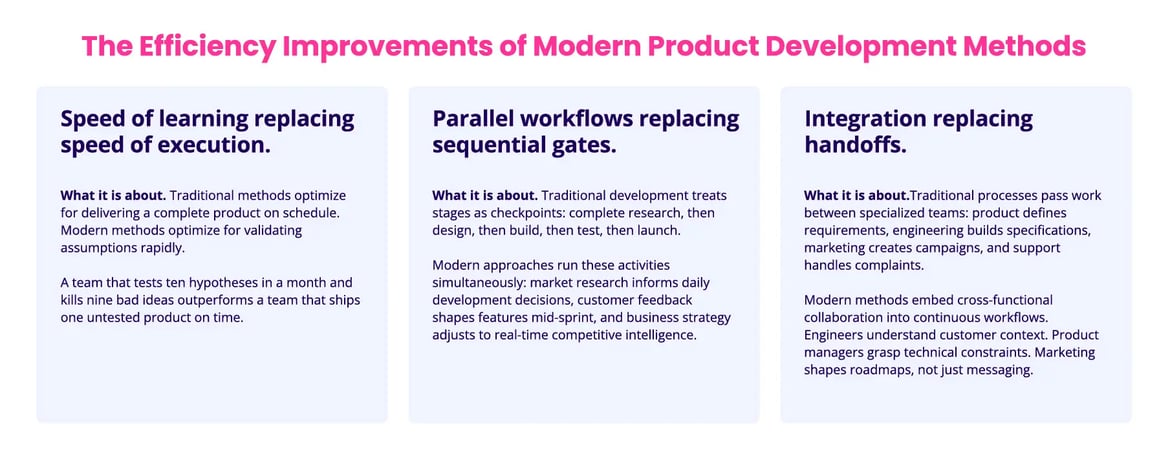
It requires rethinking the entire development process: from idea generation to post-launch optimization. Companies that cling to rigid development methodologies will watch competitors iterate past them. Those who embrace agile methodologies while maintaining strategic discipline will define the next decade of successful product development.
Traditional product development processes were built for a different era. One where market research happened once and upfront, where development teams disappeared for months, then unveiled a final product, and where customer feedback arrived too late to matter. But that model is broken.
The waterfall approach assumes you can predict customer needs a year in advance, but you can’t. User behavior evolves faster than your development cycle. By the time you reach market launch, your assumptions are outdated.
Even worse, traditional processes isolate teams. Product managers define requirements. Engineers build in silos. Marketing gets involved only at the launch stage. At this point, planning, executing, and monitoring the product launch becomes a critical stage, but the lack of earlier collaboration often undermines its success within the overall product development and commercialization process. This fragmentation kills innovation before it starts.
The biggest failure are missing mechanism for continuous improvement. You build, ship, move on. There’s no iterative development. No short development cycles that let you test assumptions early. No way to incorporate user research as you go.
Modern markets punish this rigidity. Your target audience expects products that evolve with their needs. Competitors using agile product development can pivot in weeks while you’re locked into a six-month roadmap.
Project complexity has also exploded. Products today integrate emerging technologies, connect to ecosystems, and serve global markets. The complete process demands cross-functional collaboration that traditional methodologies weren’t designed to support.
The results are development efforts that miss market gaps, products that solve yesterday’s problems, and launches that flop because you never validated customer value during development.
Traditional processes go beyond slowing an organization down - they will blind you:
You optimize for predictability when you should optimize for learning.
You follow a product development plan that ignores every signal screaming that you’re building the wrong thing.
The market has moved on, and therefore, the development process should move on too.
Smart product development teams embed market research into every stage. And not just during idea generation or just before market launch. This shift transforms how you identify user needs. Traditional market research gave you a snapshot with one survey or one focus group. Afterwards, you disappear to build, and by the time your product ships, those insights are stale.
Modern approaches treat market research as a feedback loop:
market trends are studied weekly,
customer behavior is tracked in real time,
and emerging trends where a target market's heads are monitored.
This intelligence shapes your product development journey from day one (Exhibit 3).
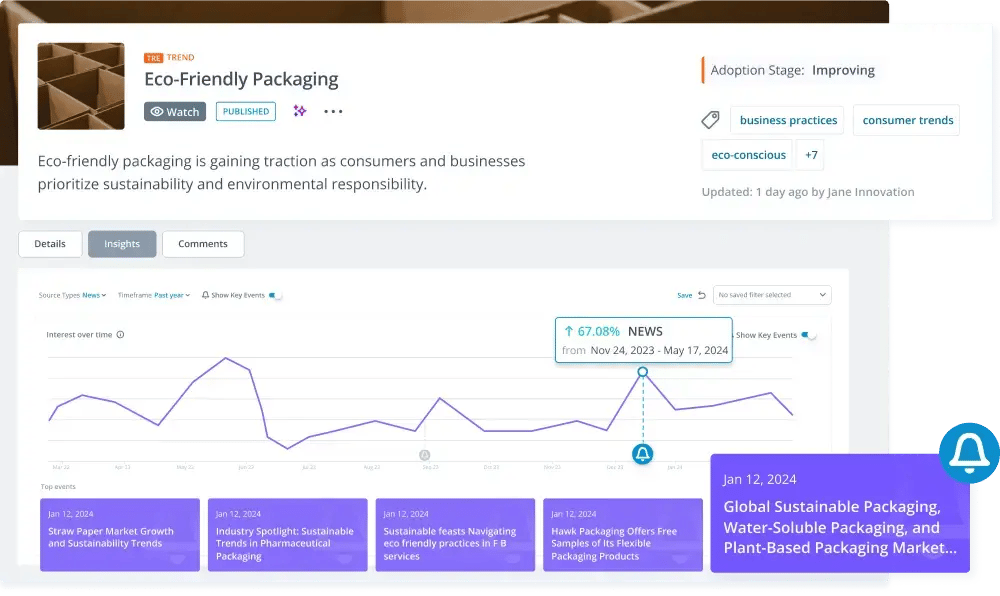
Exhibit 3: Detecting emerging trends, changing customer needs, and competitors' moves with Prism AI
It informs your product vision and helps product managers prioritize features that deliver actual customer value. These insights also directly inform your marketing strategy for introducing new products, engaging your target audience, and validating your product concept before launch. Moreover, it gives development teams the context they need to make data-driven decisions under uncertainty.
Market research also reveals market gaps that competitors miss. While they’re guessing about customer needs, you’re measuring them. While they’re building features users tolerate, you’re building the ones users demand.
The payoff shows in your success metrics. Products grounded in continuous market research achieve higher customer satisfaction as they find product-market fit faster. As a consequence, they require fewer post-launch pivots because you validated assumptions during development and not after.
This doesn’t mean endless analysis. It means building market intelligence into your agile framework:
Quick usability testing between sprints.
Rapid surveys to validate product ideas.
Competitive analysis that informs your next iteration.
User research becomes your competitive advantage. And not because it tells you what to build, but because it tells you what not to build. It keeps your product roadmap aligned with market realities.
The best product development methodologies don’t just tolerate market research, but weaponize it.
Customer feedback is worthless if you don’t act on it. Most companies collect it, but only a few companies operationalize it.
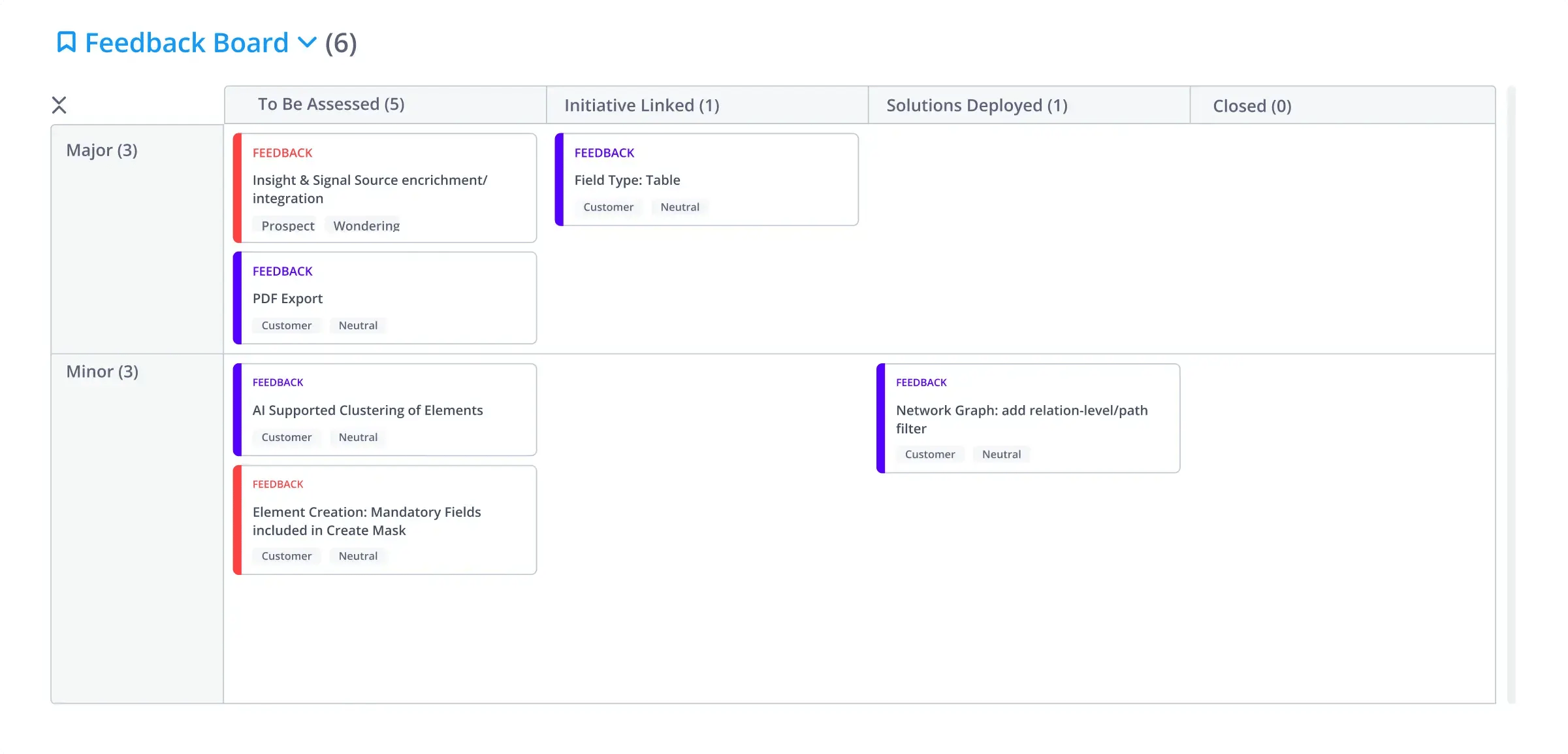
Exhibit 4: Digital boards to map out open tasks on customer feedback
The difference between listening and learning is measurement. You need systems that convert user feedback into key performance indicators your development team can track.
Start by building robust user feedback loops. Not quarterly surveys that product teams ignore. Real-time channels where users tell you what’s broken, what’s missing, what’s delightful. Then close the loop and show customers that their feedback shaped the next release.
Frameworks that turn qualitative insights into quantitative targets. For example, when users complain about your user interface, don’t just note it but also measure task completion time, track error rates, and set improvement benchmarks that development efforts can aim for.
Data-driven decision-making separates successful products from almost-successful ones. Your agile methodology should integrate customer feedback into sprint planning instead of treating it as an afterthought. Each iteration should test hypotheses derived from user needs.
This approach also exposes what’s working: When customer value increases, you double down. When a feature drives customer involvement, you expand it. When usability testing reveals patterns, you systematize them.
Cross-functional teams excel at this translation work. Engineers understand technical constraints, and product managers understand business strategy. Together, they can transform raw feedback into generating ideas for innovative products that actually ship. These generated ideas should then be systematically screened to identify the most viable options based on benefits, feasibility, and market potential.
Track progress against outcomes and not outputs. Don’t measure features delivered. Measure problems solved. Monitor whether your development process is improving efficiency in ways customers notice and value.
The companies winning at product development in 2025 have cracked this code. They’ve turned customer feedback from a nice-to-have into a core competitive advantage, measure what matters, iterate based on evidence, and build successful products because they learned to measure innovation.
What are the best methods?
The best product development methods (Exhibit 5) share one trait: they treat uncertainty as data and not as a risk.
No single agile framework fits every context. For example, what works for a SaaS startup won’t work for hardware, and what scales for enterprise won’t suit a three-person product development team. The key is matching methodology to market reality.
The new product development process in 2026 combines multiple approaches:
Agile methodologies for speed.
Data-driven decision-making for precision.
Cross-functional teams for breadth.

Essential elements include user feedback loops that inform every sprint, key performance indicators that measure customer value, and continuous improvement mechanisms that turn successful launches into sustained competitive advantage.
The seven stages of traditional development still matter - idea generation, validation, prototyping, testing, launch, iteration, optimization. But successful product development teams no longer treat them as sequential gates, but as parallel workstreams, constantly informing each other through real-time market research and customer involvement.
Incremental development enables continuous delivery of smaller, manageable components, supporting flexibility and faster feedback throughout the process.
Data-driven decisions separate guesswork from strategy, but most product teams drown in metrics without extracting the actual meaning.
The shift starts with defining success metrics before you write code: What customer behavior signals product-market fit? Which user needs drive retention? How does your product roadmap connect to business goals?
Out of our experience, there exists a gap as smart development teams instrument everything and user research reveals what customers say, whereas analytics show what they do. Ultimately, the gap between the two teams is where breakthrough product ideas emerge.
This approach transforms a development process from opinion-driven to evidence-based. Product managers can prioritize features using actual usage data and not gut instinct. Development efforts focus on high-impact work instead of busywork that feels productive.
We suggest tracking progress against outcomes: When usability testing contradicts your assumptions, pivot fast. When data confirms your product vision, scale aggressively. Data-driven decision-making isn't about having perfect information, but about making better bets faster than competitors who rely on intuition alone.
Customer feedback becomes powerful when it's continuous. Annual surveys are autopsies, whereas real-time feedback loops are vital signs.
It is important to embed feedback channels everywhere. It doesn't matter if it's as an in-app prompt after key actions, supported ticket analysis, or social listening, or even interviews that are conducted during the development process. This constant signal helps product development teams spot emerging trends before they become obvious to competitors.
From our experience, the trick is to close the loop. Users who see their feedback implemented become loyal. Whereas those who feel ignored might churn in the end. Successful product development requires showing customers that their voice shaped the final product.
This continuous dialogue also accelerates your development cycle. Instead of building for six months then discovering you missed market needs, you course-correct weekly. Short development cycles plus persistent customer involvement create products that feel custom-built for your target audience because, in effect, they are.
Customer satisfaction should not be the ultimate goal, but the measurement proving you're building the right thing.
Today's agile product development shifts from a focus on daily standups towards reducing the costs of being wrong.
Traditional project management assumes you can plan eighteen months ahead, whereas agile methodology assumes that you can't and builds systems to exploit that uncertainty. As a consequence, short development cycles let you test hypotheses cheaply and iterative development turns failures into learning.
We experienced that the agile framework works because it matches how markets actually behave: customer needs evolve constantly, and emerging technologies create new possibilities quarterly. Therefore, product development plans must flex with this changing reality.
But agile practices also improve cross-functional collaboration. When engineers, designers, and product managers work in tight loops, they catch misalignments early. Therefore, the entire development process becomes a shared learning system and not a relay race.
With the support of AI, idea generation shifts from a brainstorming theater into strategic intelligence where it’s not replacing human creativity, but strongly amplifying it.
Smart product development teams use AI to scan market trends, analyze customer behavior, and identify market gaps that human researchers would miss. Pattern recognition at scale reveals opportunities hiding in plain sight.
The idea generation stage now combines human intuition with machine pattern-matching: AI surfaces weak signals from user research, and humans decide which signals matter. Together, they generate product ideas grounded in data. But this approach also accelerates validation. Instead of debating which features users want, you model scenarios using behavioral data.
At this stage, it is crucial to conduct usability tests on prototypes to identify design flaws, validate features, and improve user experience before finalizing the product.
The result is innovative products that feel intuitive because they’re built on a deep understanding of user behavior and not purely on designer assumptions. AI doesn’t make your product development methodology creative. It makes creativity systematic, repeatable, and measurably better at predicting what your target market will actually pay for.
Cross-functional teams aren't new, but what's new is extending them beyond your org chart into your complete ecosystem.
Project complexity in 2026 exceeds what any single company can manage. Successful products emerge from networks-partners who bring team expertise you lack, suppliers who understand emerging technologies, and even customers who co-create solutions.
Whereas internal cross-functional collaboration still matters. When product managers, engineers, marketers, and operations work as one development team and not as separate departments, you eliminate handoff delays and miscommunication that kill momentum.
/Still%20images/Workflow%20Builder%20Mockups%202025/capabilities-collaboration-govern-process-flows.webp?width=2160&height=1350&name=capabilities-collaboration-govern-process-flows.webp)
Exhibit 6: Make insights clear with workflows and moving tasks from owners
But external collaboration also unlocks exponential leverage: Open innovation platforms surface product ideas from unexpected sources, strategic partnerships provide capabilities that would take years to build internally, and customer involvement programs turn users into co-developers who ensure you're solving real problems.
This networked approach to the product development journey requires new coordination mechanisms. To these count shared product roadmaps, joint success metrics, and governance models that balance speed with strategic objectives. Done right, ecosystem collaboration becomes your sustainable competitive advantage: one that competitors can't easily replicate.
Key performance indicators for innovation sound paradoxical: How do you measure what doesn't exist yet? But our experience says that you can do so by tracking inputs and velocity, and not just outputs.
Traditional success metrics focus on launches, whereas modern KPIs measure learning speed: How fast do product development teams validate assumptions? How efficiently do they kill bad product ideas before wasting development efforts? How quickly do customer feedback insights reach decision-makers?
The best product development methodologies instrument the complete process:
Track time from idea generation stage to first prototype.
Measure customer value delivered per sprint and not the number of features shipped.
Monitor whether your development process is improving efficiency quarter over quarter.
These KPIs create accountability without crushing creativity. Thus, teams know they're measured on progress and on learning velocity instead of perfection and being right on the first time.
Therewith, business goals become visible and achievable: when everyone tracks the same success metrics, like customer satisfaction, market share, or development cycle time, the entire organization optimizes for outcomes that matter and not activities that feel productive but deliver nothing.
Most product development plans divorce business strategy from market reality, and teams tend to build what executives want and not what markets actually need.
Market-integrated development flips this:
Your business goals inform what you build.
Market research informs how.
Customer needs determine priorities.
The result is a product development methodology where strategy and execution stay synchronized and not divergent.
This alignment starts with shared language. When product teams and executives both use customer value as their North Star, debates shift from opinion to evidence, and both marketing and development strategy become complementary.
It also requires integrating market intelligence into planning. Product managers should see emerging trends in real-time dashboards, and development teams should understand market demands well enough to make trade-off decisions independently.
The payoff is strategic agility. When market conditions shift, you don't need executive committees to approve pivots. Teams closest to customers adjust, confident they're still serving business goals. Your product roadmap stays anchored to strategic objectives while remaining flexible enough to capture market opportunities competitors miss.
Sustainable product development evolved from environmental ethics to a competitive strategy for markets that increasingly penalize waste.
Circular design principles reshape the entire development process: Instead of designing for obsolescence, you design for repair, upgrade, and eventual material recovery. This extends product lifespan and opens recurring revenue streams from refurbishment and recycling.
Smart product development teams integrate sustainability from idea generation on. Therefore, material choices affect performance, supply chain decisions impact resilience, and end-of-life planning influences architecture.
This approach also resonates with target audiences who factor sustainability into purchase decisions. Younger markets especially demand products that align with their values. Demonstrating genuine commitment through product design - and not just marketing campaigns - builds customer loyalty that traditional differentiation can't match.
Emerging regulations worldwide are making circular principles mandatory. Development teams addressing this now gain first-mover advantages in markets where latecomers will struggle to retrofit sustainability into existing products built on linear models.
Data visibility transforms how product development teams make decisions. When everyone sees the same real-time information, debates shift from politics to problem-solving.
Most organizations trap data in silos: engineering has usage metrics, marketing has campaign performance, and product managers have roadmaps. But nobody sees the complete picture connecting user behavior to business goals to development efforts.
Integrated dashboards change this. When your entire development process surfaces data in shared tools, cross-functional teams spot patterns that individuals might miss: You see how a UI change affects customer satisfaction, how a new feature impacts support costs, or how development cycle improvements accelerate time to market launch.
This visibility also improves portfolio management. Executives can allocate resources based on actual performance and can identify which product ideas merit scaling, which need pivoting, and which should be killed.
Traditional key performance indicators measure outputs, whereas innovation KPIs must measure learning and adaptation: the capabilities that generate sustained competitive advantage.
Therefore, our experience shows that going beyond feature velocity and successful launch rates and to rather track how well your product development methodology absorbs market feedback, measures time from customer insight to implemented solution, and monitors whether your development teams improve their prediction accuracy for user needs over time.
Further, portfolio health should be assessed through option value and not just current revenue: Are you building capabilities for emerging markets? Experimenting with emerging technologies that could disrupt your core business? Creating product ideas that expand addressable markets?
Innovation performance also includes organizational metrics: How effectively do cross-functional teams collaborate? How quickly do insights from market research reach decision-makers? How often do post-launch optimization efforts improve customer value?
These softer metrics predict future success better than quarterly revenue, as they reveal whether your product development journey is building institutional learning or just shipping features. The best innovation programs optimize for building organizational muscle that compounds over time.
Key performance indicators for your development process should answer one question: Are we getting better at building the right things?
Start with cycle time metrics. How long from idea generation stage to a validated prototype? From user feedback to implemented improvement? Reductions here compound quickly - a team that validates assumptions twice as fast ships successful products at multiples of competitors' pace.
Quality indicators matter too. Defect rates. Usability testing pass rates. Customer satisfaction scores post-launch. These reveal whether speed sacrifices craft or enhances it through continuous improvement.
Resource efficiency KPIs show if your agile practices actually work. Are short development cycles reducing waste or creating churn? Is iterative development converging on solutions or wandering aimlessly?
Track adoption of best practices. How consistently do product development teams use data-driven decisions? How often do they incorporate user research before committing to features? These process indicators predict outcome success before launches happen, giving you time to course-correct development efforts before they culminate in market failures.
Software is the infrastructure layer enabling every modern product development methodology. Without the right platforms, agile practices collapse into chaos, and data-driven decisions become impossible when insights live in scattered spreadsheets.
The best product development teams use software to orchestrate complexity and not to document it. Integrated platforms connect market research to idea generation to development execution to post-launch optimization. When user feedback flows automatically into sprint planning, when key performance indicators update in real-time, when cross-functional teams collaborate in shared workspaces: that's when methodology becomes reality.
Software also scales what individuals can't. AI-assisted tools surface patterns in customer behavior across millions of data points. Automated workflows ensure user research reaches product managers the day it's collected and not only weeks later. Portfolio dashboards give executives visibility into development efforts without micromanaging development teams.
But technology alone solves nothing: software amplifies your methodology, but if your process is broken, automation just breaks faster. The winning combination pairs disciplined product development methodologies with platforms purpose-built to support continuous improvement, cross-functional collaboration, and the entire development process from emerging trends to successful products.
Choose software that matches your ambition and not just your current needs.
ITONICS unifies what most organizations fragment: market intelligence, idea management, portfolio planning, and execution tracking in one platform.
Product development teams get real-time visibility into customer needs, emerging technologies, and competitive landscapes - turning market research into actionable product roadmaps. Cross-functional teams collaborate on shared canvases where business goals meet user feedback, where strategic objectives inform daily sprints.
Built-in key performance indicators track the complete process, from idea generation stage through successful launch and beyond. Data-driven decision-making becomes automatic when insights flow seamlessly to those who need them.
Most platforms document innovation, but ITONICS orchestrates it.
The question isn't whether your current tools can keep up with 2026's pace. It's whether you can afford to keep slowing down to accommodate them.
FAQs on new product development methods

.webp?width=900&height=450&name=Top-10-project-portfolio-software-tech-and-development-teams-use-for-managing-innovation-projects-fullwidth%20(1).webp)