Modern phase gate process: 7 rules to drive innovation, not more ideas


Innovation leaders rarely lose sleep over a lack of ideas. They lose sleep over backing the wrong ones, too late, with too much conviction.
In most organizations, the phase-gate process is meant to prevent exactly that. In practice, it often does the opposite. Decisions are delayed until uncertainty feels uncomfortable. Resources drift toward ideas that are easiest to justify, not those with the highest potential impact. By the time a clear decision is made, the window of opportunity has already narrowed.
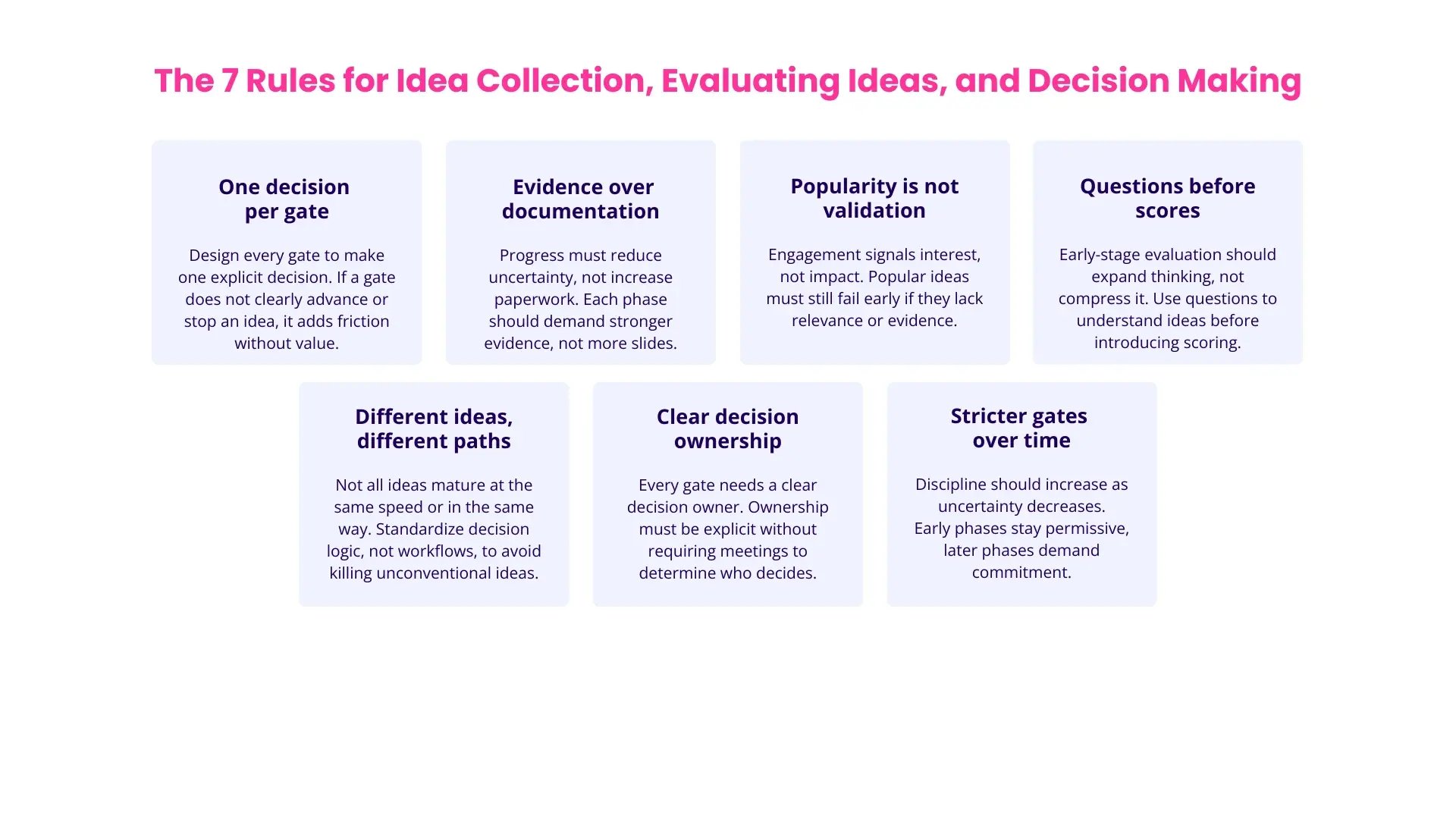
Exhibit 1: The 7 Rules for Idea Collection, Evaluating Ideas, and Decision Making
This article lays out what that looks like in practice. It defines four decision-driven phases and seven concrete rules for collecting ideas, evaluating them, and deciding which ones deserve investment. The aim is not to produce more ideas. It is to make fewer, better decisions that compound into a real competitive advantage.
Most phase-gate processes do not fail visibly. They fail by eroding decision quality over time. Innovation slows down, not because teams lack ideas, but because the innovation system around evaluating ideas makes committing or stopping increasingly difficult.
Use the checklist below to assess whether your phase-gate process supports decision-making or actively works against it.
Your idea process is likely a decision killer if:
Ideas move forward without a clear decision being made:
Gates result in follow-up actions, additional analysis, or postponed reviews instead of a clear yes, no, or stop-for-now decision.
Teams spend more time preparing gate material than reducing uncertainty:
Progress is measured by completed templates and ideas collected rather than evidence gathered about market needs, feasibility, or impact.
Early ideation is governed like late-stage development:
The same predefined criteria, scoring models, and approval logic are applied to early ideas as to mature product ideas, forcing premature certainty.
Popular ideas are protected from scrutiny:
Ideas with high engagement, many submissions, or strong internal advocacy move forward despite weak evidence or poor strategic alignment.
Decision ownership is unclear or shared by default:
No single role is accountable for gate outcomes, turning evaluations into consensus-driven discussions instead of decisions.
Stopping ideas is harder than continuing them:
Teams need extensive justification to stop an idea, while advancing it requires little more than persistence.
The process generates reports instead of choices:
Gate outputs document activity but do not clearly change priorities, resource allocation, or next steps.
If several of these points apply, the issue is not that your organization lacks an idea management process. The issue is that the process optimizes for control and compliance rather than decision-making.
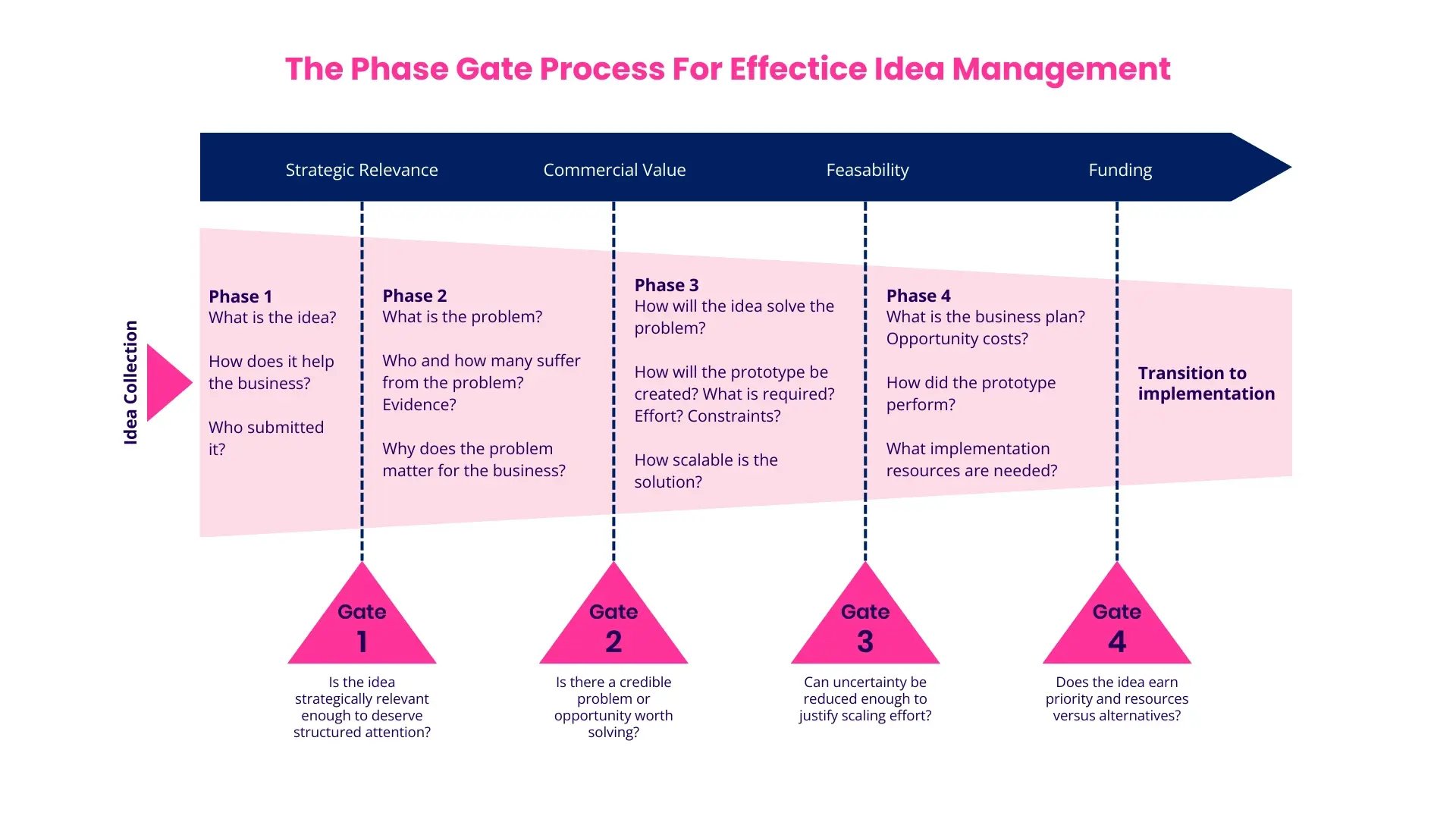
Exhibit 2: The Phase Gate Process For Effective Idea Management
A modern phase-gate process corrects this imbalance. It structures learning instead of documentation, clarifies ownership instead of diffusing it, and makes it easier to stop weak ideas than to keep them alive. Its purpose is not to increase idea volume, but to improve the quality of decisions across the idea evaluation process.
An effective idea management process does not replicate product development stages. It is a structured idea evaluation process built to support decision-making under uncertainty. Each phase exists to answer one explicit question. Each gate exists to decide whether it is worth investing further attention, time, and resources.
A useful rule of thumb is simple: make every phase requirement serve a gate decision.
In every evaluation phase, collect only the information required to decide what happens next. Anything beyond that slows the evaluation process and reduces clarity.
This approach turns idea management from a reporting exercise into a disciplined way to prioritize ideas and move the most promising ideas forward.
The first phase of the idea evaluation process is about filtering relevance. Most ideas fail not because they are weak, but because they are disconnected from current strategic goals or timing.
Ideas submitted through campaigns, ideation sessions, or ongoing channels enter a lightweight evaluation method focused on strategic alignment. The goal is to determine whether an idea connects clearly to business objectives or priority problem areas across the organization.
At this stage, avoid detailed scoring or predefined criteria that imply certainty. Instead, apply a small set of relevance checks:
Does this idea address a known strategic goal or challenge?
Does it respond to an identifiable market need or customer experience gap?
Is this the right time for the organization to explore this idea?
If your program doesn't address the topics that are strategically important to the success of your business, it will be difficult to get everyone on board and engage them in the ideation process.
Not-fitting ideas may be archived, redirected to a different idea challenge, or left informal. Not every idea needs to enter a structured process.
Once an idea passes the relevance gate, the idea evaluation process shifts from strategic fit to value validation. This phase asks whether the idea addresses a real problem or innovation opportunity that is meaningful enough to justify further effort.
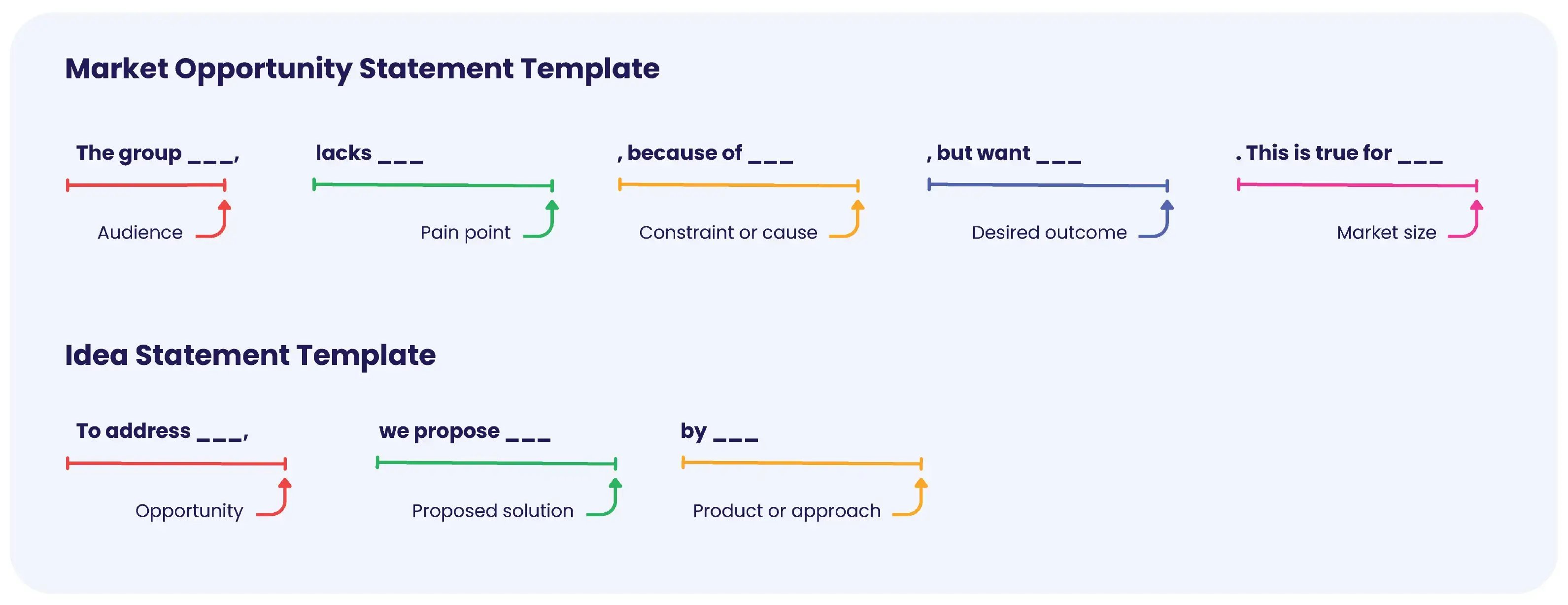
Exhibit 3: Market Opportunity and Idea Formulation Templates
The focus is not on refining product ideas, but on clarifying the underlying problem. Strong ideas articulate who is affected, why the problem matters, and what changes if it remains unsolved.
Useful inputs for this evaluation method include customer feedback, market signals, operational pain points, or unmet customer experience needs. The goal is to establish a credible value hypothesis.
Key questions in this phase include:
What specific problem does this idea aim to solve?
For whom is this problem relevant across the organization or market?
Why is this problem worth pursuing now rather than later?
Ideas that cannot demonstrate a clear problem or opportunity should not advance, regardless of how creative or unconventional they appear. Not every idea that is interesting is valuable.
The gate decision is explicit: Is this idea worth pursuing further based on the problem it addresses?
If the answer is vague or based on assumptions alone, the idea should stop here.
Ideas that survive problem validation enter a more demanding evaluation phase focused on feasibility and risk.
Teams explore technical feasibility, organizational constraints, and potential dependencies without committing to full development. The emphasis is on learning fast, not being right.
In a strong idea evaluation process, progress in this phase is measured by what has been clarified:
Which assumptions were tested?
Which risks were reduced?
Which constraints are now understood?
This phase is particularly important when working with technical innovations or ideas that require coordination across multiple teams. It helps innovation leaders avoid pushing ideas forward simply because momentum has been built.
The final phase is where idea evaluation becomes a portfolio decision. At this point, ideas no longer stand alone. They compete with other initiatives for limited resources, attention, and execution capacity.
This phase focuses on prioritizing projects based on comparative value, alignment with business objectives, and potential impact.
Inputs to this decision include:
Expected contribution to strategic goals
Relative potential impact versus alternative ideas
Required resources for implementation
Opportunity cost of not pursuing other ideas
This is where predefined criteria and structured scoring can add value, because ideas are mature enough to be compared meaningfully. The evaluation process should make trade-offs explicit rather than hiding them behind consensus.
The gate decision is final and binary: does this idea earn the necessary resources to move into implementation?
If not, it should stop, with learning captured and fed back into the idea management system.
Clear decisions at this stage are essential. Ambiguity undermines credibility and weakens the organization’s ability to turn its best ideas into great opportunities.

These rules define a structured approach to idea management. They exist because idea management is important to the organization’s ability to turn new ideas into tangible results. If a rule fails, the idea evaluation process will eventually fail with it.
Together, they help organizations move from gathering ideas at scale to making fewer, better decisions that actually solve problems.
If you cannot explain the purpose of a gate in one sentence, it should not exist. Gates are decision points, not review stages.
Many organizations accumulate gates over time as the organization grows. Each gate adds documentation, but few add clarity. The result is a process that slows innovation instead of enabling it.
Design the decision first. Then define the minimum criteria needed to make that decision. Any gate that does not clearly change what happens next adds friction without benefit.
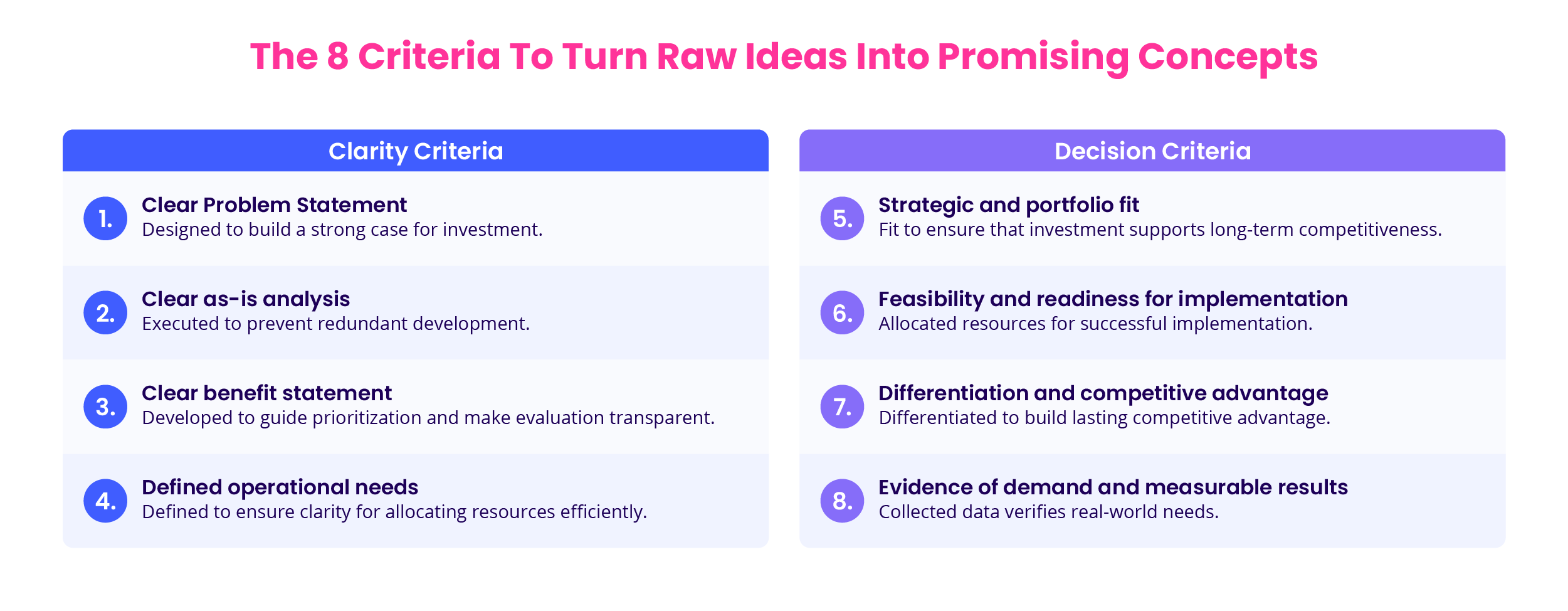
Exhibit 4: The 8 Criteria To Turn Raw Ideas Into Promising Concepts
Advancing an idea should reduce uncertainty. If progress only increases the amount of documentation, the evaluation process is broken.
Each phase must demand stronger evidence than the last. Early phases rely on qualitative signals, examples, and early customer feedback. Later phases require tested assumptions and validated constraints.
If teams spend more time formatting slides than learning whether a concept makes sense, the process rewards activity over insight.
Engagement is not value. Likes, comments, and votes signal interest, not impact.
Idea collection should encourage a collaborative approach and support gathering ideas from the broadest range of contributors across the organization. That is essential for innovation culture. But popularity must not protect ideas from evaluation.
Early gates must be able to stop popular ideas that lack relevance, evidence, or a clear problem to solve. Otherwise, the process optimizes for noise instead of valuable ideas.
Scoring creates false precision. Numbers give a sense of objectivity even when underlying assumptions are weak.
In early ideation, criteria should be framed as questions. What problem does this idea solve? Who benefits? Why now? What would make this concept fail?
This questioning approach helps product managers and innovation leaders understand ideas before comparing them. Scoring only becomes useful when ideas are mature enough to be meaningfully evaluated against each other.
Not all ideas mature at the same pace. Incremental improvements, technical innovations, and exploratory concepts follow different trajectories.
A rigid process forces ideas to fail for procedural reasons. This discourages unconventional ideas and biases the system toward safe, familiar concepts.
/Still%20images/Workflow%20Builder%20Mockups%202025/portfolio-use-approval-workflows-2025.webp?width=2160&height=1350&name=portfolio-use-approval-workflows-2025.webp)
Exhibit 5: Visual ITONICS process builder to define custom phase-gate processes
Standardize decision logic, not workflows. Allow different paths through the validation phase while keeping governance consistent. This makes it easier to move the most promising ideas forward without constraining creativity.
If a gate requires a meeting to determine who decides, decision rights are unclear.
Each gate must have a clearly defined decision owner. That role is accountable for moving ideas forward, stopping them, or redirecting them. Meetings should confirm decisions, not replace them.
Clear ownership is essential when resources are limited and when multiple ideas compete for attention across the company.
Early phases should be permissive. Late phases should be demanding.
Applying strict predefined criteria too early kills weak signals and new ideas before they can be understood. Applying loose criteria too late wastes necessary resources and delays implementation.
A well-designed idea management process increases discipline as ideas mature. This progression is essential to turn strong concepts into successful products and a real competitive advantage.
Applying these rules changes how organizations run innovation management. It reshapes how ideas move through the innovation process, how decisions are made, and how value is created for the business.
Many teams still measure success by how many ideas people submit. They encourage employees to submit ideas continuously, resulting in a large volume of input but limited clarity on what matters.
A modern phase-gate process focuses on decision quality instead. Fewer ideas move forward, but those that do are better understood, better evaluated, and more clearly linked to business priorities. Great ideas are not those that survive volume, but those that survive scrutiny.
/Still%20images/List%20Mockups%202025/ideation-evaluate-collaboratively-2025.webp?width=2160&height=1350&name=ideation-evaluate-collaboratively-2025.webp)
Exhibit 6: Collaborative bulk evaluation of ideas inside ITONICS
The benefit is tangible. Teams reduce rework, shorten time to impact, and improve trust in the innovation process.
Traditional processes reward reporting. Modern processes reward learning.
Milestones should mark reduced uncertainty, not completed templates. Teams should be able to state what they know now that they did not know before.
This changes how progress is discussed and how leaders intervene.
Discipline in innovation management is about applying the right level of rigor at the right time.
Early phases allow ambiguity and exploration. Later phases demand commitment and clearer trade-offs. Progressive discipline makes expectations explicit across the idea evaluation process.
Teams understand which key steps matter at each stage and what evidence is required to progress.
Creativity suffers when processes dictate how ideas must look. It thrives when decision logic is transparent.
By standardizing questions, criteria, and ownership, organizations create freedom within clear boundaries.
This enables unconventional ideas without lowering standards.
Idea gathering benefits from broad participation and the right tools to gather input at scale. Engagement helps surface new ideas and diverse perspectives.
Decision-making is different. Business objective signals determine which ideas progress in the idea workflow. Popularity alone does not justify investment.
Separating engagement from evaluation ensures that great ideas are selected because they create value for the business, not because they generate attention.
A modern ideation process is not about control. It is about focus. It helps organizations invest in ideas that matter, stop those that do not, and learn faster from both.
/Still%20images/Kanban%20Board%20Mockups%202025/ideation-organize-idea-flows-2025.webp?width=2160&height=1350&name=ideation-organize-idea-flows-2025.webp)
Exhibit 7: Management of idea funnels inside an ITONICS idea board
Without the right structure, idea management becomes a numbers game. With the right structure, it becomes a strategic capability.
Today, with ITONICS, teams design and operate idea management processes that turn great ideas into business value. ITONICS enables organizations to turn structured idea collection and evaluation into portfolio-level prioritization.