Beyond phase-gate: New product development governance in CPG


Up to 80% of new consumer goods products fail. Development teams spend 18 to 24 months getting a single concept to market. That cycle length is itself part of the problem.
Phase-gate was built to protect resources. It does that well. What it cannot do is protect time to market. And time to market determines whether the opportunity still exists at the end of the cycle. In 2024, 65% of CPG launches were renovations, not genuinely new products. That number reflects a governance model optimized for caution, not speed.
The fix is not a faster version of phase-gate. It is a different governance logic entirely. One that manages the portfolio, not just individual projects, and treats the decision to kill, pivot, or accelerate as a core competency.
This article outlines six behavioral traits that separate portfolio governance from project bureaucracy. Each represents a concrete shift: from how industry leaders define decision rights, to how they pace reviews, to how they treat every product in development as a hypothesis rather than a commitment.
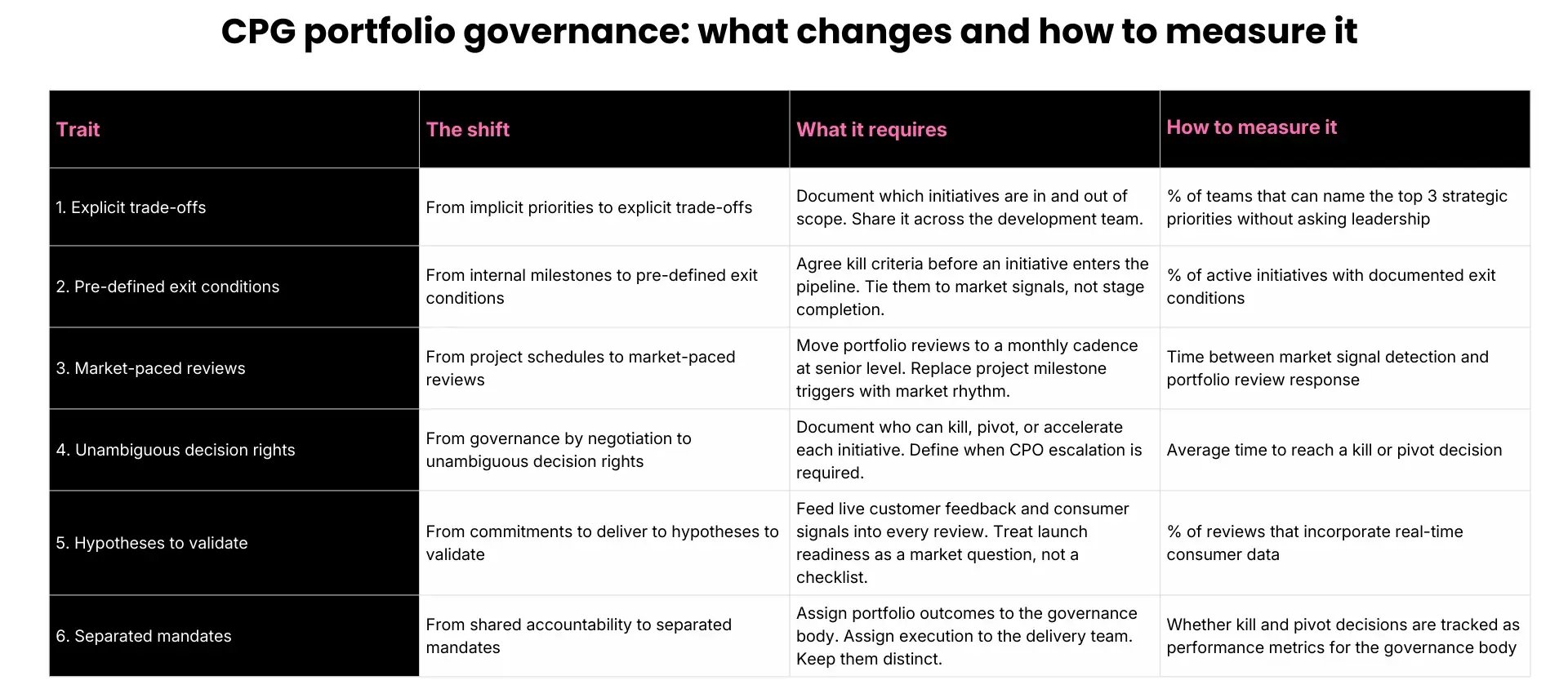
Exhibit 1: CPG portfolio governance: what changes and how to measure it
For decades, phase-gate gave CPG companies a structured way to govern development risk, allocate resources, and filter out weak initiatives before costs escalated.
Industry leaders recognise a shift. Risk prediction, flaws in ideas, or sign-offs can now be automated. They redesigned their governance model accordingly. Most companies are still catching up. The gap between industry leaders and the rest has widened as a result.
The phase-gate model became popular in the late 1980s as a structured response to a real problem. New product development was expensive, sequential, and difficult to reverse. Companies were committing significant capital without enough checkpoints to catch poor decisions early.
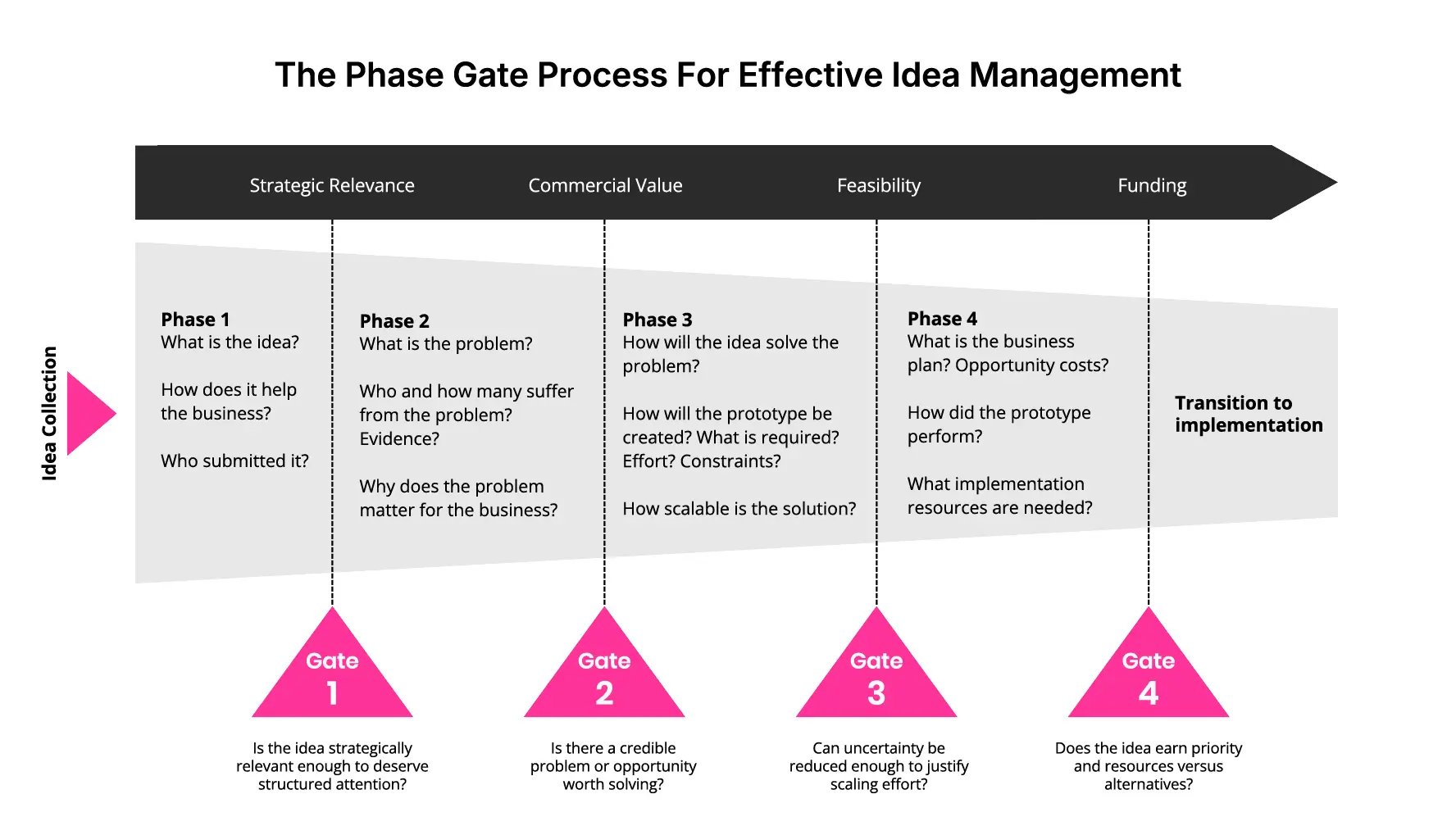
Exhibit 2: The Phase Gate Process For Effective Idea Management
The gate review solved this. At each stage, a cross-functional committee evaluated whether a project had earned the right to proceed. Resources were only committed when the evidence justified it.
For a market where product cycles ran three to five years, and consumer preferences shifted slowly, the development process delivered exactly what it promised:
fewer bad product launches,
better resource discipline,
and a clear framework senior leaders could govern.
Time to market was a secondary concern. Quality of execution was the primary one.
By the 1990s, phase-gate had become the industry default. Around 54% of companies worldwide still use stages and gates or a similar structured process. CPG remains one of the heaviest adopters, and there is considerable variation in how rigidly the process is applied.
How it looks can vary depending on category, company size, and R&D maturity. The underlying gate logic, however, stays consistent. This is why, for example, a CPG company that has "streamlined" its stage gate process often finds it still produces the same delays, because the model was not built for markets where consumers change preferences faster than gate cycles complete.
Changing market conditions have dismantled the logic that made an 18-month development cycle acceptable. Consumer discovery has moved from the store shelf to the social feed. The first version of that shift happened a decade ago. There is no sign of it reversing.
Social media and influencer culture have compressed the cycle between trend emergence and purchase expectation. 49% of consumers have tried a new product after seeing it on social media, and 31% have changed brands based on an influencer's recommendation. When a product format goes viral on TikTok, customers expect it on shelf within days, not after the next gate review.
Micro-communities built around specific diets, lifestyles, and values generate demand signals faster than any stage gate process can capture. When consumers move, they do not wait. They expect new products that reflect their needs today, not a business case written 18 months ago.
Phase-gate optimizes for thoroughness. In a social-first market, thoroughness creates a different kind of risk: being right about the product and wrong about the timing.
Poor time to market is not a delivery failure. It is a governance failure. Every week lost in a gate review is a week customers spend buying from a company that reached market faster. How market important a window is only becomes clear once it closes.
The clearest illustration of the governance gap does not come from CPG. It comes from fashion, an industry that solved the speed problem two decades before CPG acknowledged it existed. That example reset what customers expect from time to market across every product category.
Zara pioneered the model. By owning design, manufacturing, and distribution, it cut the traditional six-month runway-to-shelf cycle to two to three weeks.
The mechanism was not faster project management. It was a different governance logic:
small-batch production,
real-time sales data feeding directly into portfolio decisions,
and the ability to kill or scale a product line within days based on what customers were buying.
Shein escalated it further. It monitors TikTok and Instagram for emerging signals and lists new products in batches of 100 to 200 units within five to ten days of trend identification.
Between July and December 2021, it added up to 10,000 new SKUs to its app every day. Every product is treated as a hypothesis, tested in the market before resources are committed at scale. Consumers provide the answer. The portfolio responds in days. Organizations that can move market quickly at that speed do not need a gate review to tell them what the market already has.
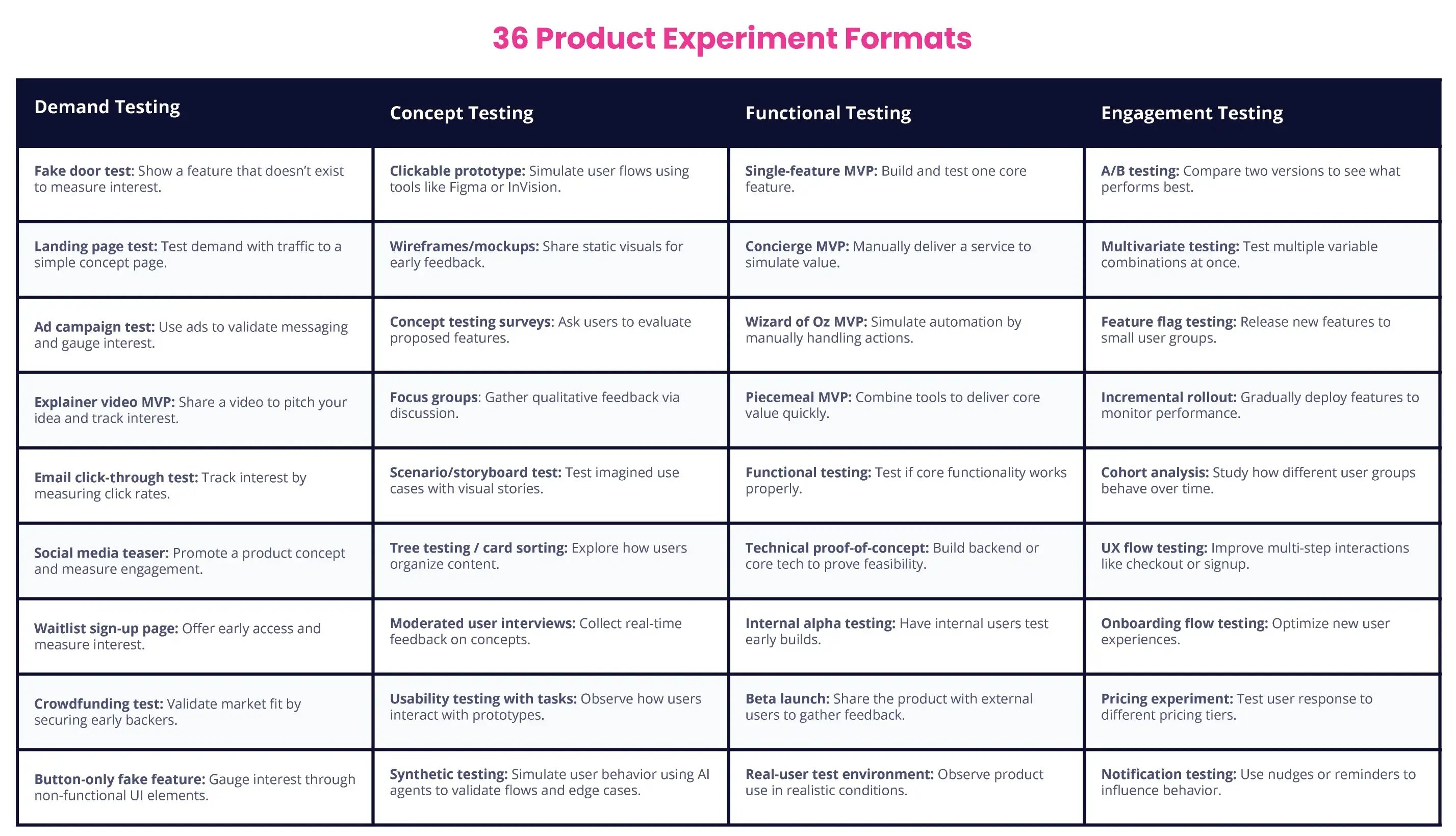
Exhibit 3: 38 product experiment formats
Neither company runs a gate review. Both treat every product portfolio decision as a response to a current market signal.
The lesson for CPG is not to copy their model. It is to apply the same logic to product innovation in a regulated, retail-distributed environment. The competitive advantage in both cases comes not from speed alone. It comes from governance that treats every product decision as a market hypothesis. That logic is what defines an industry leader in this space.
CPG companies are not competing with faster versions of themselves. They are competing with organizations that have removed the approval layer between market signal and product decision entirely. For companies that want to respond quickly to shifting consumer demand, the governance model is where the answer starts.
The failure of phase-gate is not a process failure. It is a scope failure. Phase-gate governs individual projects. It was never designed to govern a portfolio.
A project that passes every gate can still destroy value if the target market no longer exists at launch. Governance at the portfolio level can see what project-level governance cannot. It can see whether the portfolio as a whole is serving customers well, or simply advancing projects.
Consumer goods leaders share six traits that separate portfolio governance from project bureaucracy. Each can be measured and used as a benchmark for where your organization stands today.
1. From implicit priorities to explicit trade-offs
High-performing organizations make strategic priorities visible to everyone in the development process.
When teams know what is in and what is out, they make faster decisions without escalation. Organizations with low strategic alignment waste $122 million for every $1 billion invested. Most of that waste comes from trade-offs that were never made explicit.
/Still%20images/Radar%20Mockups%202025/capabilities-collaboration-clustering-evaluating-viewing.webp?width=2160&height=1350&name=capabilities-collaboration-clustering-evaluating-viewing.webp)
Exhibit 4: Project radar showing projects with status "challenging"
2. From internal milestones to pre-defined exit conditions
Every initiative enters the pipeline with agreed conditions for stopping it. Those conditions are tied to market signals and customer feedback, not internal milestones.
Companies with rigorous kill criteria achieve 50% better returns on R&D investment.
3. From project schedules to market-paced reviews
Industry leaders review product portfolios monthly, at senior level, on a rhythm tied to the market, not to project schedules.
Quarterly reviews mean decisions are made on data that is already three months old. A monthly cadence compresses time to market on acceleration decisions and reduces the cost of delay on kill decisions.
4. From governance by negotiation to unambiguous decision rights
Everyone in the review process knows who can stop an initiative, who can redirect resources, and when escalation is required. Ambiguity turns governance into negotiation.
/Still%20images/List%20Mockups%202025/portfolio-oversee-tasks-and-assignments-2025.webp?width=2160&height=1350&name=portfolio-oversee-tasks-and-assignments-2025.webp)
Exhibit 5: A table with conditional formatting rules showing portfolio risks
Every day of that negotiation has a cost that never appears in the project plan.
5. From commitments to deliver to hypotheses to validate
Strong governance bodies treat products in development as hypotheses to validate, not commitments to deliver.
Customer feedback and real-time market signals feed into every review. When consumer preferences shift, the governance mechanism surfaces it before sunk costs make the decision politically difficult.
6. From shared accountability to separated mandates
The governance body owns portfolio outcomes. The delivery team owns execution.
When the same group is accountable for both, it develops a bias toward keeping initiatives alive. Stopping a project starts to feel like failure rather than sound portfolio management.
Knowing what better governance looks like is the easier part. Making it operational is significantly harder.
Most CPG organizations have built their processes, incentives, and reporting structures around phase-gate logic. Changing the governance model means changing how teams are measured, how decisions are escalated, and what good performance means. Three structural barriers account for most of the resistance.
Phase-gate was built to surface risk. That logic has trained development teams and governance bodies to treat visible, project-level risks as the primary governance concern.
Formulation issues, regulatory hurdles, and manufacturing delays all appear in gate review documents. Market timing risk does not. Managing both is what distinguishes a governance model built for today's market from one built for the 1990s.
The cost of delay never appears on those documents. But it is real.
Large and mid-size companies saw their market share drop from 65.7% in 2016 to 62.8% in 2020, while smaller and private-label organizations steadily expanded theirs. A significant part of that shift is attributable to speed, not product quality.
/Still%20images/Roadmap%20Mockups%202025/portfolio-visualize-critical-paths-2025.webp?width=2160&height=1350&name=portfolio-visualize-critical-paths-2025.webp)
Exhibit 6: Roadmap with projects and milestones showing schedule conflicts
Companies that could respond quickly to changing consumer preferences gained market share. Those that could not lost customers to more agile direct competitors.
Identifying risks on both sides, including the risk of delay, is what separates industry leaders from companies that consistently launch into markets that have moved on.
Success in CPG governance is not measured only by what ships. It is measured equally by what stops, and when. Most organizations find that decision quality improves significantly once kill criteria are treated as a strategic input rather than a process formality.
In most CPG organizations, product portfolio decisions and marketing strategy are made by different teams, on different cycles, using different data. Strategic portfolio reviews assess what the pipeline contains.
Marketing determines how products will be positioned and launched. The two rarely inform each other in real time.
When customers arrive at a product launch, the messaging often reflects market conditions from six months ago. Meanwhile, 60% of CPG companies have not found the right balance between structure and flexibility in their decision-making. Integrating market signals into portfolio reviews closes that gap and helps organizations stay competitive as conditions shift.
Incentive structures in CPG development organizations are almost universally delivery-centric. Development teams are measured on whether they hit stage milestones, stay within budget, and reach product launch on schedule.
None of those metrics capture whether the final product contributed to portfolio health, addressed genuine customer needs, or reflected the market conditions that actually existed at launch.
A development team that ships on time into a market that has moved on is rewarded. A team that recommends stopping a project because conditions have shifted has nothing to show for it. The rational response is to keep projects moving, regardless of what customers or the market signal.
Portfolio value contribution, including the quality of kill and pivot decisions, needs to become a visible metric tied to business strategy. That is how companies redefine success for development teams and align their incentives with the market demands that determine whether a product launch creates lasting value for customers.
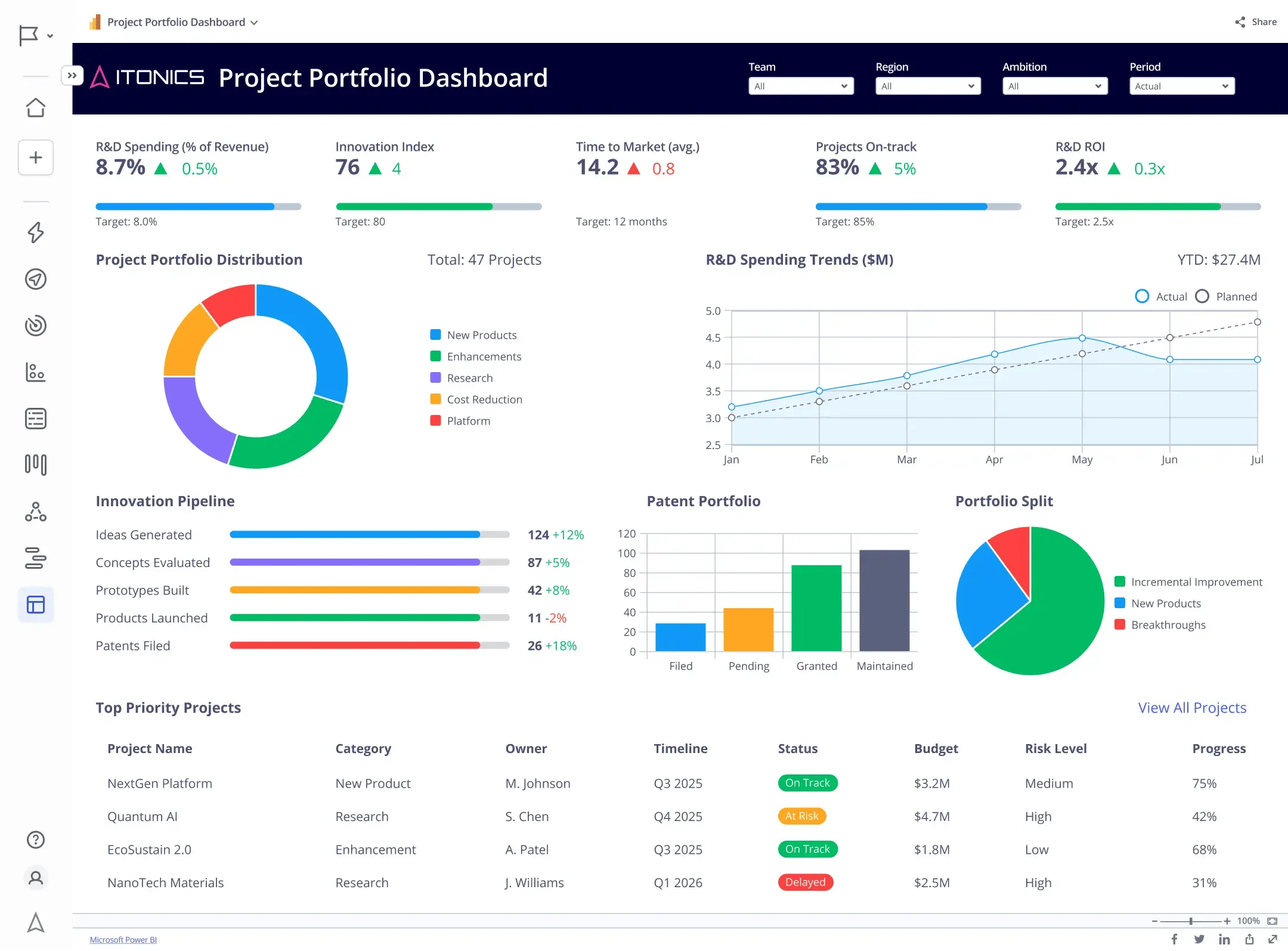
Exhibit 7: Project portfolio dashboard with live KPI data
Each of the three barriers has a structural root and a structural answer.
The cost of delay stays invisible because governance bodies are not measuring it.
Silos persist because market signals never reach the portfolio review.
Incentives stay misaligned because portfolio value is never defined as a metric.
The following practices address each barrier directly, and each can be implemented inside an existing governance process without a full transformation.
Governance bodies track what their tools surface. Gate reviews surface initiative-level risk. They do not surface time-to-decision, opportunity cost, or the gap between when a market signal arrived and when the organization responded.
Adding time-to-decision as a governance metric changes what the review body sees. Organizations that measure time-to-market alongside time-to-decision have a direct indicator of governance responsiveness. Those that measure time-to-market alone are tracking execution against a product strategy that may already be obsolete.
Customer satisfaction data, integrated as a live input rather than a post-launch output, compounds this effect. Organizations that excel at product portfolio management enjoy profit margin increases of up to 19%.
For example, integrating customer satisfaction data as a live governance input rather than a post-launch output is one of the clearest ways to close the gap between decision quality and market outcomes.
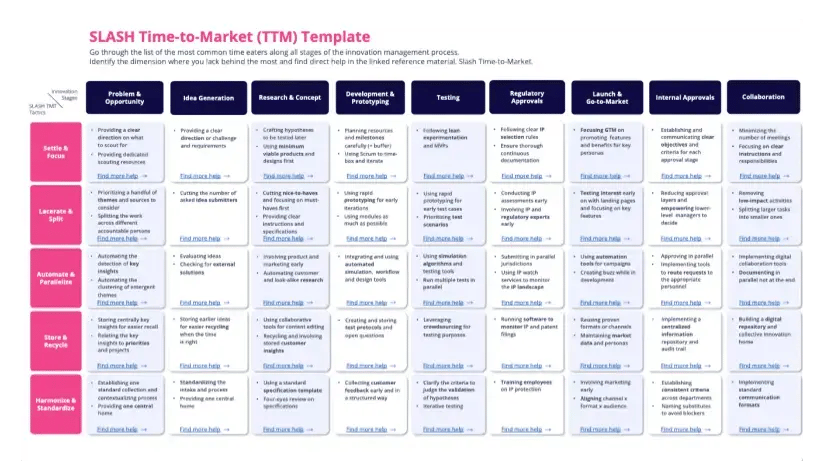
Exhibit 8: 45 Organizational tactics to accelerate time-to-market
The silo between product portfolio governance and marketing strategy persists because the two functions operate on different review cycles using different data. Several factors drive this gap, but the most closely related is timing: product portfolio decisions are made months before the marketing strategy is set.
The fix is not an org chart change. It is a shared input.
When market signals feed into the portfolio review, the governance body and marketing are working from the same picture. Any organization that aligns these two functions reduces time to market on launch decisions and arrives at product launch with a strategy that reflects what customers actually need today. For example, a portfolio review that incorporates live consumer sentiment data changes the marketing brief before the campaign is built, not after.
The CPG portfolio governance scorecard makes this gap explicit across six dimensions: strategic alignment, kill decision quality, review cadence versus market rhythm, decision rights clarity, market signal integration, and cross-functional metric alignment. Most companies score well on strategic alignment and poorly on market signal integration. Closing that gap is where the silo breaks and where organizations build the portfolio strategy to refresh existing products, launch new products faster, move market quickly on the right initiatives, and capture market demand while it is still live.
Project-centric incentives do not change because governance processes change. They change because leadership defines portfolio value as a performance metric and makes it visible across the organization.
Kill and pivot decisions need to be treated as contributions to portfolio health, not failures to deliver.
A development team that stops an initiative because market conditions have shifted is protecting R&D investment. Aligning those decisions with business goals and corporate strategy is what turns portfolio governance into a competitive function.
Strategic reviews need to measure whether existing products and new launches served the long-term product strategy and delivered genuine value to customers, not just whether they shipped on time. When both are visible, keeping an initiative moving regardless of market signals is no longer the safe choice. That shift in accountability is how companies build the shared definition of success that makes portfolio decisions faster and less political.
The six behaviors described above share a common requirement: visibility. Product development governance bodies cannot make confident kill, pivot, or acceleration decisions without a clear picture of the full portfolio, what it is costing, and whether each initiative still holds its market rationale.
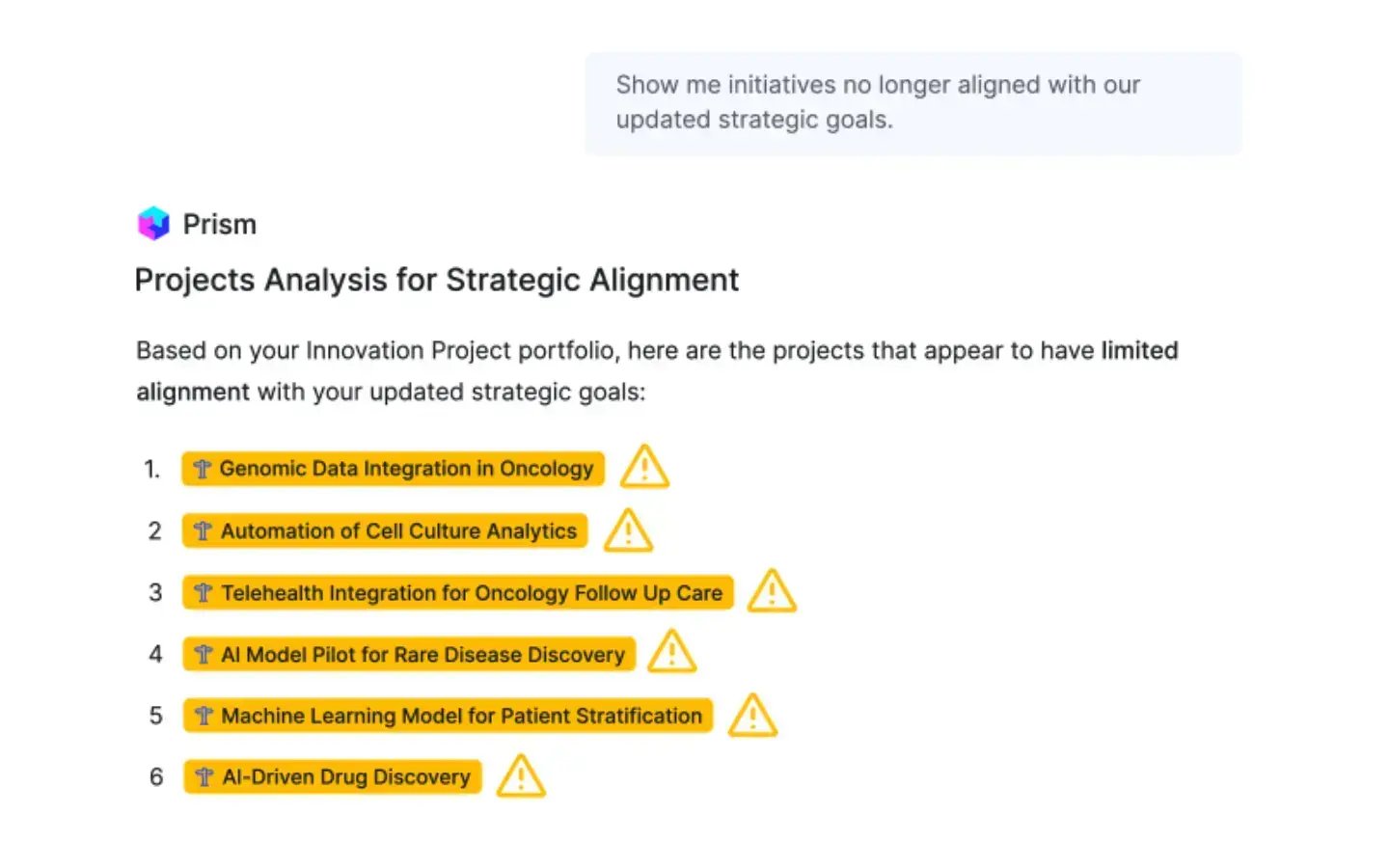
Exhibit: ITONICS AI assistant Prism flags off-strategy projects
Most CPG organizations lack that visibility. Spreadsheets keep track of milestones. They do not surface cross-portfolio information, document kill criteria in a way that feeds back into reviews, or connect market signals to the teams that need to act on them.
ITONICS gives CPG development teams, innovation managers, and R&D leaders a single view of the active product portfolio. Kill criteria are set and tracked at the initiative level. Market signals and customer feedback feed directly into the governance view. Decision rights are documented and visible to everyone in the review process.
The result is less time spent on ambiguity and more time on decisions that matter. Organizations move at market speed. Industry leaders who build this capability make it structurally harder for competitors to win the same customers and capture the same market share.


.webp?width=900&height=450&name=Top-10-project-portfolio-software-tech-and-development-teams-use-for-managing-innovation-projects-fullwidth%20(1).webp)