Building a partner program that drives innovation and revenue growth

Most partnership programs fail quietly. They launch with enthusiasm, sign a dozen partners, distribute some marketing materials, and then drift into operational limbo.
The problem is that most companies treat partner programs as tactical channel expansion when they should be building partner ecosystems as strategic growth systems. There’s a difference: channels push products through established routes. Partner ecosystems create new value through collaborative innovation, shared intelligence, and coordinated R&D.
For growth-seeking companies, this distinction matters more than ever. The partner companies that accelerate your product roadmap, fill gaps in your technology stack, and open new markets are true innovation multipliers. But only if you architect the ecosystem correctly from the start.
This in-depth guide shows you how to build partner ecosystems that generate revenue, accelerate innovation cycles, and scale without collapsing under their own weight. There are three main types of partner programs: channel partnerships, strategic partnerships, and technology partnerships.
The language matters here. A partnership program suggests a one-way relationship where you provide partners with products and services, some training materials, and financial incentives to go sell. Whereas a partner ecosystem implies something more complex: mutual value exchange, aligned business objectives, and structures that empower partners to innovate alongside you and not for you.
Thus, most companies get stuck in the former, but they need to evolve into the latter.
A partnership program becomes a cost center when you treat it like a promotional expense line. You invest time in onboarding new partners, create marketing support assets, maybe offer some partner training, and then wait for indirect sales to materialize. When they don't, you blame partner engagement or market conditions.
But a growth system works differently: It starts with clear expectations about what partners benefit from and what your business gains in return. The best partners aren't looking for self-promotion opportunities or free lead generation. They want access to your R&D pipeline, early visibility into your product roadmap, and the ability to co-create solutions that serve end customers better than either company could alone.
The shift happens when you stop asking "how do we get partners to sell more?" and start asking "how do we create mutually beneficial value that neither party could generate independently?"
That's when partnership programs start driving business growth instead of draining resources. The channel partner program becomes a strategic lever and not a tactical checkbox. You're building a thriving ecosystem where partners generate revenue because they're genuinely invested in shared goals, not because you've dangled the right financial incentives.
But partners serve different functions, and therefore, it is not possible to use them interchangeably. If you do so, it is the fastest way to build a bloated, underperforming partner program.
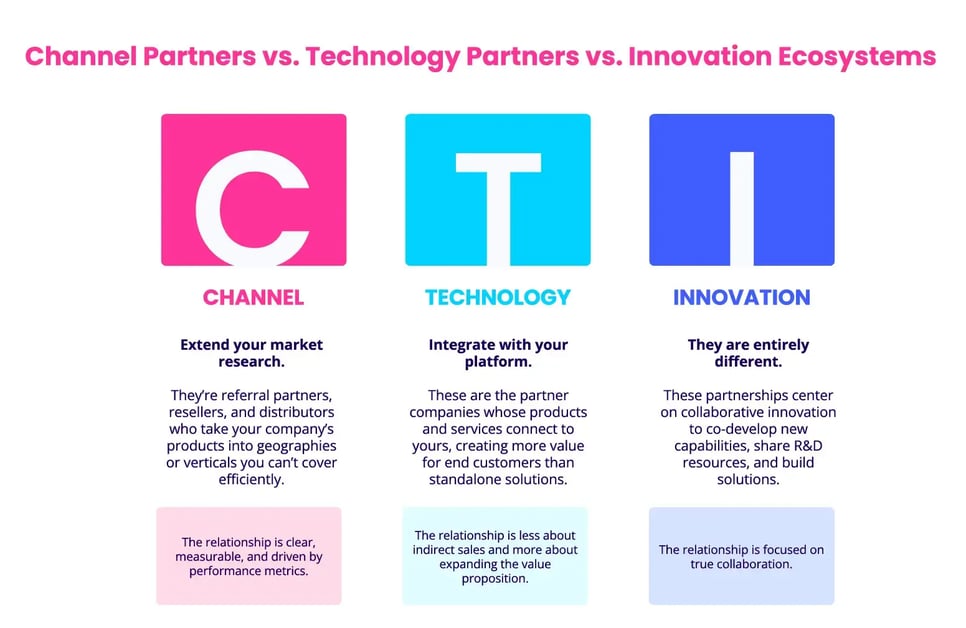
Exhibit 1: The different types of partners for a successful program
Most companies need all three. The mistake is managing them with a single-channel program playbook.
Channel partners need performance tracking and financial incentives.
Technology partners need technical documentation and customer relationship management integration.
Innovation partners need access to your product team and a seat at strategic planning sessions.
Therefore, choosing the right model isn't about picking one. It's about knowing which partner relationships serve which business strategy goals, and designing programs that support each type without forcing them into the same operational box.
In a first instance, organizations always need to start with their business objectives. For the final decision on the right model, don't start with the partner roster.
If your primary goal is market expansion, you need channel partnerships that can scale quickly and generate revenue in regions or industries where you lack presence.
You're optimizing for coverage and velocity.
Your channel partner program should focus on partner training, clear commission structures, and making it easy for the sales team to collaborate without friction.
If your goal is platform differentiation, technology partnerships matter more.
You're building an ecosystem where other partners integrate their services into your offering, creating network effects that increase customer satisfaction and reduce churn.
Success here depends on robust integration paths, thoughtful relations, and a partner portal that makes integration straightforward.
If your goal is innovation velocity, you need co-innovation partnerships with companies whose R&D capabilities complement yours.
These are the future partners who help you explore new markets, validate emerging technologies, or build entirely new product categories.
The partnership program here looks less like a channel program and more like an extended R&D function with shared business goals and joint investment.
Most innovation-led companies need a hybrid approach. This means that the focus is not on choosing between channel partners and innovation ecosystems but on a tiered system where the right partners play the right roles. Some partnerships are transactional and volume-driven. Others are strategic and deeply integrated into your product development cycle. That's where strategic partner management provides you with the clarity to oversee the entire partner portfolio and manage each partnership adequately.
The key is ruthless clarity: Define what success looks like for each tier, allocate resources accordingly, and resist the temptation to treat every partner company as strategically critical just because they signed an agreement.
If a partnership doesn't clearly connect to business growth, increased sales, or collaborative innovation, it's noise: cut it or renegotiate it. Partner ecosystems scale when you invest time in the relationships that matter and let the others fade.
You can have the right partners, aligned business goals, and executive buy-in. But if your ecosystem lacks a strong foundation in value exchange, clear expectations, and enabling infrastructure, it collapses under its own complexity.
Scalable ecosystems are built on three principles:
reciprocal value that makes partnerships self-sustaining,
selective criteria that prioritize quality over volume, and
activation systems that turn signed agreements into working relationships fast.
Partner relationships fail when one side extracts more value than it provides. This sounds obvious, but most partnership programs are structurally asymmetric from day one.
The typical model: you give potential partners access to your company's products, some marketing materials, maybe a partner portal with training content. In return, you expect them to generate leads, close deals, and expand your market reach. The problem is that this transactional setup doesn't align incentives deeply enough to sustain engagement.
The best partners want more than marketing support and financial incentives. They want strategic benefits that compound over time: early access to your product roadmap, influence over feature development, co-marketing that builds their brand awareness, and customer data that helps them improve their own services.
When partners benefit in ways that strengthen their core business, engagement becomes self-reinforcing.
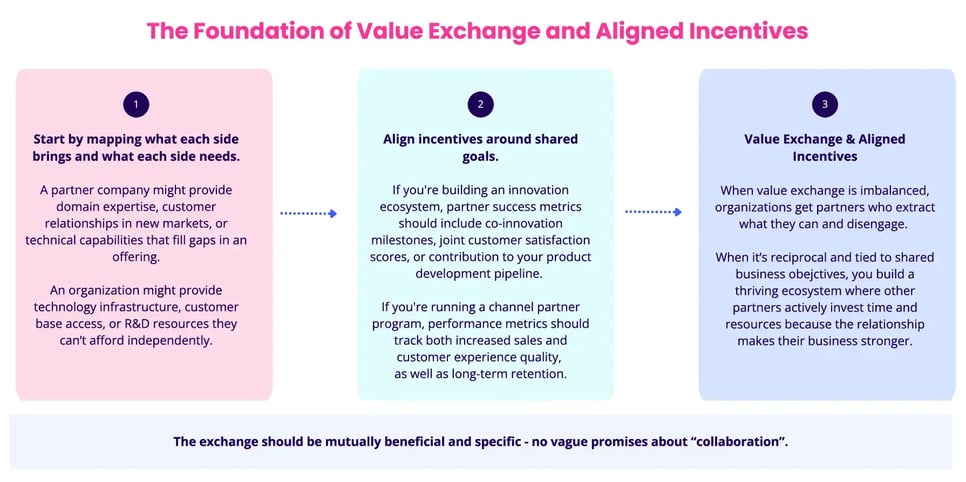
Exhibit 2: The foundation of value exchange and aligned incentives
This is the difference between a program that requires constant management attention and one that scales organically.
Every new partner adds operational overhead: onboarding, training programs, regular communication, performance tracking, and relationship management.
If that partner doesn't generate meaningful business growth, you're paying the cost without capturing the benefit. And because partner engagement is finite, adding low-value partners dilutes attention from the right partners who could actually move the business forward.
Selective criteria matter more than most companies admit. The best partners share three characteristics: strategic alignment, execution capability, and cultural fit.
1. Strategic alignment means the partnership advances specific business goals. If your objective is breaking into new markets, you need partners with deep customer relationships in those markets. If it's accelerating R&D cycles through collaborative innovation, you need partners with complementary technical capabilities and a willingness to co-invest. If a potential partner can't articulate how the relationship serves both sides' business strategy, walk away.
3. Execution capability is table stakes. A partner company might have great intentions and strategic alignment, but if it lacks the sales team capacity, technical infrastructure, or operational maturity to deliver, the partnership won't scale. Look for track records, not promises. Ask for references from other partners they work with. Assess whether they have the resources to invest time in enablement and activation, not just signing agreements.
3. Cultural fit is harder to quantify, but it kills more partnerships than poor execution. If your approach to customer relationship management emphasizes long-term value and consultative selling, partnering with a transactional, high-pressure sales organization creates friction at every touchpoint.
If your company culture values transparency and data sharing, partnering with a company that hoards information will frustrate your team. Partners need to be on the same page about how business gets done, or coordination costs spiral.
Rigorously vet future partners before onboarding. It's better to have ten high-performing partnerships than fifty mediocre ones - quality compounds. You can build deeper integrations, co-sell more effectively, and create joint marketing that resonates because you're working with partners who genuinely understand your value proposition and can communicate it credibly.
Mediocrity dilutes everything. It fragments your sales team's attention, weakens your brand by association, and trains your organization to treat the partner program as a checkbox exercise instead of a strategic lever.
Before you can enable partners effectively, you need absolute clarity on what makes the partnership valuable for both sides. This is where most companies stumble—they rush into activation without mapping the fundamental value exchange that will sustain the relationship.
The Partnership Canvas (Exhibit 3) provides a structured framework for defining mutual value through four critical questions.
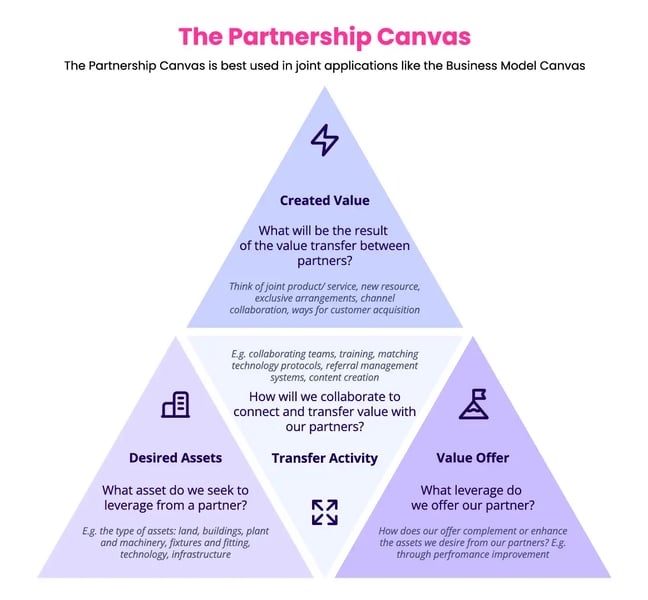
Exhibit 3: The Partnership Canvas
Desired Assets.
Value Offer.
Transfer Activity.
Created Value.
Strong partnerships start with explicit, mutual value definition. And the Partnership Canvas makes that definition concrete, measurable, and actionable to ensure that you onboard partners who understand exactly what success looks like and how to achieve it together.
The gap between signing and productivity is where most partner programs hemorrhage potential. New partners get added to the partner program, handed a partner portal login and some marketing materials, and then left to figure out how to actually sell or integrate. Months pass. Nothing happens. Eventually, both sides quietly give up.
Rapid activation requires deliberate onboarding that compresses time-to-first-value. The best partner training programs don’t just explain your company's products. They teach partners how to position your solution in their sales process, how to identify qualified leads, and how to navigate your internal teams when they need support. Training helps partners build both confidence and knowledge.
A well-structured partner program typically offers training, resources, and financial incentives to ensure a mutually successful relationship.
Make onboarding modular and role-specific. A referral partner needs different training than a technology integration partner. A channel partner’s sales team needs to understand pricing, deal registration, and lead generation. A co-innovation partner’s R&D team needs deep technical documentation, API access, and direct lines to your product team. One-size-fits-all onboarding guarantees mediocre results across the board.
Design for ongoing engagement, not one-time activation. Partner engagement decays without regular communication and clear expectations about what happens next. Establish rhythm: quarterly business reviews to track progress against shared goals, monthly check-ins to surface blockers, and ad hoc support when partners need it. Use your partner portal not just as a content repository but as a living workspace where partners can access real-time performance metrics, submit feedback, and coordinate with your team.
Empower partners with tools, not just content. Give them customer data (where permissible) so they can personalize outreach. Provide co-branded marketing assets they can deploy without waiting for approval. Create deal registration systems that give them visibility into pipeline and prevent channel conflict with your direct sales team. The easier you make it for partners to succeed, the less friction you create in the relationship.
Enablement is a continuous investment. The partner companies that stay engaged are the ones that see tangible benefits from the relationship - more revenue, better customer satisfaction, access to innovation they couldn’t build alone. If your enablement doesn’t deliver that, you’re just generating administrivia.
This is where partner ecosystems stop being distribution channels and start becoming innovation engines.
Most companies keep partners at arm's length from product development. Partners get briefed on roadmaps after decisions are made, sell what's already built, and provide feedback that disappears into a CRM void. This works fine if you're optimizing for indirect sales. It fails completely if you're trying to accelerate innovation cycles or build solutions that serve end customers better than competitors.
Partner ecosystems compress time-to-market when they're wired into your innovation process. Your R&D team identifies a gap - for example, a feature customers keep requesting, a technology shift, or a new market. Instead of building everything in-house, you scan your partner ecosystem for companies with domain expertise or complementary technology that can fill gaps faster and with less investment than starting from scratch.
This is true collaborative innovation: the right partners bring specialized knowledge your team doesn't have, customer relationships in new markets, and technical capabilities that would take years to develop internally. When you combine their strengths with yours, you create solutions neither side could build independently.
Whereas the operational key is granted by direct access. Partner companies that contribute to innovation need regular communication with your product and R&D teams. They need visibility into your roadmap, input into prioritization, and mechanisms to share data from their customer base.
Thus, progress must be tracked on both revenue and innovation velocity:
How many features were co-developed with partners?
How much faster did you launch because a partner contributed technology?
How many new markets did you enter because a partner de-risked expansion?
When ecosystems are integrated into R&D workflows, partners provide feedback that shapes product direction, and they're ready to co-sell at launch.
Co-innovation works when both sides commit resources to building something new together. This could be a joint product, a technical integration that creates differentiated value for end customers, or a solution targeting a specific vertical that neither company could serve alone. The defining characteristic is shared investment and shared risk.
There are three common models, each suited to different business objectives (Exhibit 4):
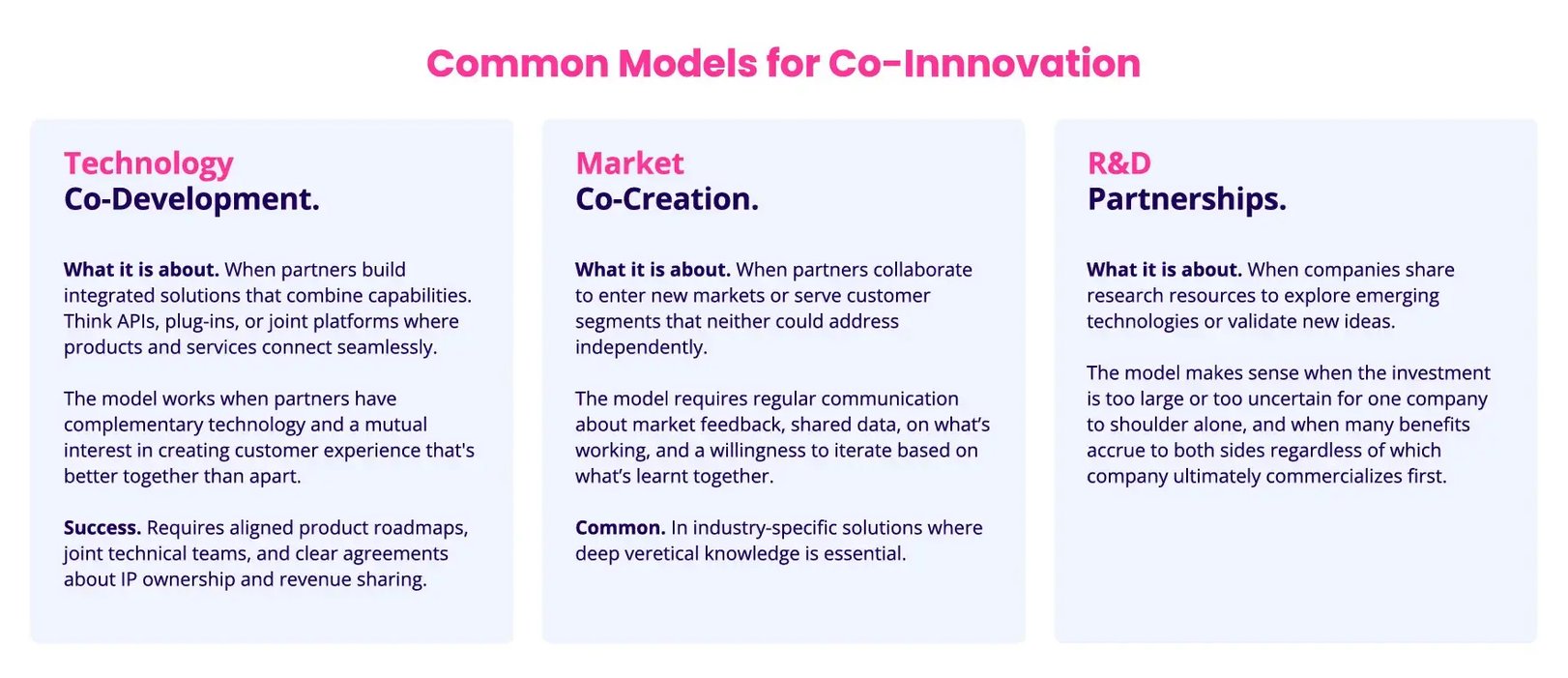
Exhibit 4: The common models for co-innovation
The leverage happens when partners multiply your R&D capacity without proportional increases in headcount or budget. A co-innovation partner contributes engineering resources, customer access for testing, or market intelligence your team doesn't have. You contribute platform infrastructure, customer base, or technology that the partner can't build alone. The combined output exceeds what either side could produce with the same investment independently.
This only works with the right partners as co-innovation demands trust, transparency, and aligned incentives. You're sharing roadmaps, data, and sometimes IP. If cultural fit is weak or the business strategy isn't aligned, the friction costs more than the output is worth.
Be selective, as most companies can only sustain a few deep co-innovation partnerships at once. Choose partners where the strategic upside justifies the coordination overhead, where shared goals are clear, and where both sides are genuinely invested in the outcome.
Create feedback loops between your partner ecosystem and your product team. This means systematically capturing what partners learn from end customers, what gaps they're encountering, and what features would unlock opportunities. The best partners see customer pain points before you do because they're closer to specific verticals or geographies.
Build formal mechanisms for this. Some companies create partner advisory councils where key partners review roadmap priorities and surface market trends. Others embed partner representatives in product planning cycles. The format matters less than the commitment: partners should influence your product strategy and not only react to it.
Prioritize partner requests strategically. Weight input based on the partner's contribution to business growth, their alignment with business objectives, and whether the request serves broader market needs. The right partners are those driving increased sales or enabling collaborative innovation and earning more influence.
Provide visibility in return. Partners who contribute to your roadmap should know what happened with their input. If you build their requested feature, involve them in beta testing. If you defer it, explain why. This regular communication builds trust.
Design your partner portal and customer relationship management systems to capture this intelligence systematically. When product managers can easily see what partners are reporting from the field, they're more likely to act on it.
Partnerships that feed your roadmap turn your ecosystem into a distributed R&D sensor network. You get market intelligence faster, validate ideas with real customer data, and build products that partners are eager to co-sell because they helped shape them.
Designing the right partner ecosystem is half the battle, but making it measurable, scalable, and operationally sound is where most programs stumble.
You can map perfect value exchange and select strategically aligned partners. Still, you also need to systematically track which partnerships generate revenue, surface innovation opportunities from partner feedback, or connect partner intelligence to your product roadmap, execution breaks down. The gap between partner strategy and operational reality is where spreadsheets fail and where ecosystems deliver mediocre results.
This is where innovation management platforms like ITONICS transform partner ecosystems from coordination nightmares into strategic growth systems. ITONICS captures insights from your partner ecosystem - like market gaps, technology trends, customer pain points - and routes them systematically to your R&D and product teams.
What partners learn in the field becomes actionable intelligence that shapes your roadmap:
For companies building innovation ecosystems - and not just channel programs -ITONICS makes the difference between partners who sell your products and partners who genuinely multiply your innovation capacity.