The modular partner ecosystem: 8 non-negotiable design rules

When Salesforce launched its AppExchange in 2005, it pioneered a new competitive moat. Today, with over 7,000 partner-built applications extending its platform, Salesforce's ecosystem generates more customer value than its core CRM ever could alone.
Yet most SaaS companies still treat partnerships as afterthoughts, scrambling to build integrations reactively rather than architecting ecosystems strategically. The result? Fragmented customer experiences, duplicated development efforts, and innovation that moves at the pace of internal roadmaps instead of market demands.
Partnership leaders who master ecosystem design gain three competitive advantage drivers:
the ability to pool resources strategically,
accelerate time-to-market, and
deliver comprehensive solutions that address a wide range of innovation challenges - solutions that individual partner companies cannot achieve independently.
In this article, you'll learn 8 must-have design rules, how to map responsibilities across three critical dimensions, distinguish strategic overlap from wasteful duplication, and architect governance mechanisms that prevent conflict before it erupts.
Most big firms cannot innovate internally. Big firms are designed for efficiency, optimization, and risk reduction. Innovating with external partners is thus often the most viable option.
By leveraging partner ecosystems, organizations can engage both their own and their partners' customer bases, expanding their market reach and strengthening audience engagement. A well-designed partner ecosystem creates competitive advantage by combining specialized expertise, shared resources, and complementary capabilities that no single organization can replicate alone (Exhibit 1).
/Still%20images/External%20Webpage%20Mockups%202025/ideation-share-your-product-plans-2025.webp?width=2220&height=1410&name=ideation-share-your-product-plans-2025.webp)
Exhibit 1: Shared partner roadmaps for a better partner alignment
Thus, the challenge is to design an ecosystem where distribution partnerships, technology partnerships, and strategic alliances work in concert rather than in competition.
A modular partner ecosystem is a deliberately architected network of strategic partnerships where multiple organizations combine their capabilities to deliver value that none could create alone. Unlike traditional business partnerships between two companies, partner ecosystems involve companies operating across various forms of collaboration, all working within a coordinated technical and go-to-market framework.
Today’s partner ecosystems extend far beyond simple API integrations or marketplace listings. They manage service providers who deliver ongoing management and support, technology partners who provide cloud computing infrastructure or data analytics capabilities, and specialized partners who contribute intellectual property or domain expertise to specific projects.
The ecosystem strategy defines how these diverse capabilities interconnect, where one company’s services complement another’s. Integrating a partner company's services can enhance customer value and streamline processes within the ecosystem, strengthening strategic relationships and improving the overall offering to customers.
Successful partner ecosystems create network effects where each additional strategic partnership increases the value proposition for all parties involved, rather than creating competition or confusion in the market.
This network architecture becomes a source of competitive advantage that’s difficult for competitors to replicate, as it’s built on relationships, integration points, and shared learning that develop over time. Partner discovery is a critical step in building and managing a successful ecosystem, and dedicated tools and platforms can help organizations efficiently identify and connect with the right partners.
Business partnerships rarely remain static in innovation-driven environments. What begins as a simple partnership to access new markets often evolves into a strategic alliance involving co-development, shared roadmaps, and joint go-to-market initiatives.
Therefore, they evolve through predictable stages that appear repeatedly in research, case studies, and ecosystem literature (Exhibit 2). Understanding these stages helps innovation leaders decide when to deepen collaboration, when to stabilise it, and when to stop forcing a partnership that cannot mature.
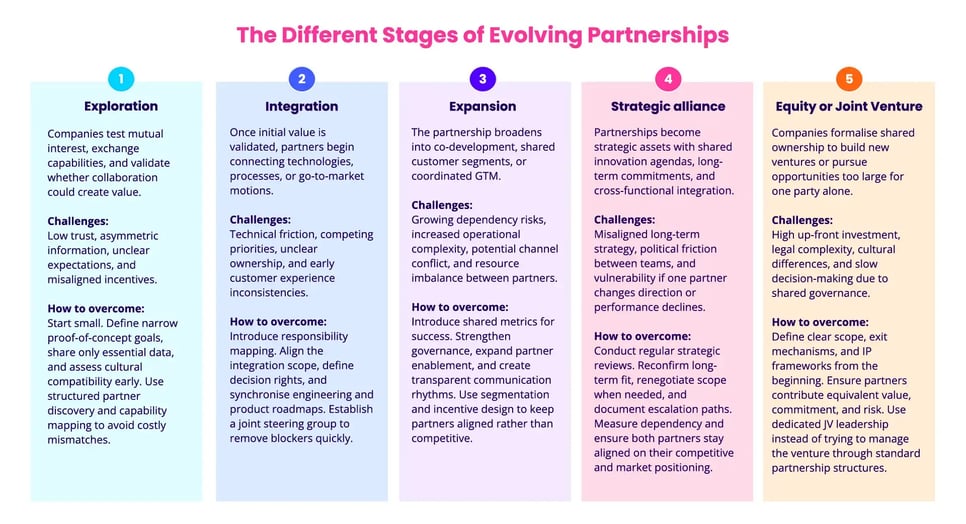
Exhibit 2: The different stages of evolving partnership
For any organization, it is important in complex innovation environments not to progress partnerships linearly. They accelerate, stall, or regress depending on market shifts, technology changes, and internal priorities. Leaders who recognise these patterns make smarter decisions about when to deepen integration, when to pause, and when to keep partnership lightweight.
But before you build that roadmap, you need foundational design principles that ensure every decision - from partner selection to integration architecture - reinforces rather than undermines your ecosystem strategy (Exhibit 3).
Whether you're launching your first partnership or redesigning an ecosystem of multiple partners, these eight rules separate ecosystems that scale from those that fragment under their own complexity.
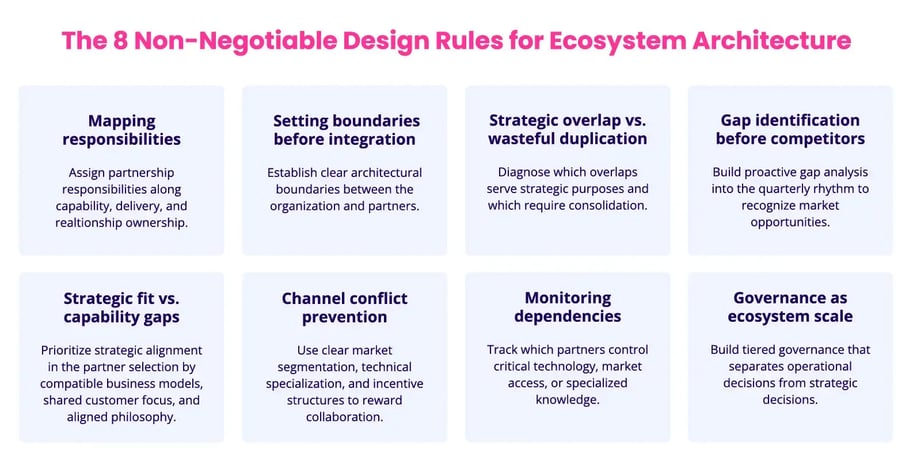
Exhibit 3: The 8 non-negotiable design rules
These eight rules form the foundation of scalable ecosystem architecture. They ensure that as your partner network grows - from initial integrations to comprehensive ecosystems spanning dozens of partners - you maintain the clarity, coordination, and strategic alignment that separate high-performing ecosystems from fragmented partner chaos.
The most important question every partnership manager needs to ask is, how systematically can it be applied across every partnership decision? Partnership managements that embed these principles into partner selection, integration design, and ongoing governance build ecosystems that multiply their innovation capacity rather than dilute it.
Building an ecosystem design roadmap for long-term outcomes
Creating an ecosystem design roadmap (Exhibit 4) transforms abstract strategy into concrete actions with clear sequences, milestones, and accountability. Unlike internal initiatives, where you control resources and timelines, ecosystem building involves external partners with their own priorities and constraints, requiring roadmaps that coordinate multiple organizations toward shared objectives.

Exhibit 4: Building an ecosystem roadmap
Thus, partnership managers must balance ambition by defining meaningful ecosystem evolution with realism about how quickly complex partnerships can be established and mature.
Clarity around responsibilities separates successful partner ecosystems from dysfunctional ones. Each partner company must understand what they’re responsible for delivering. The chosen partnership model - such as joint ventures, strategic alliances, or distribution partnerships - directly shapes how partners share resources and responsibilities within the ecosystem, ensuring effective collaboration and alignment with business goals.
This clarity also helps each partner see how their contribution connects to what other ecosystem partners provide and how the complete solution reaches customers. Thus, in practice, this means mapping responsibilities across three dimensions:
Capability ownership. Who develops or maintains specific functionality?
Delivery ownership. Who interfaces with customers and when?
Relationship ownership. Who manages the partnership itself?
The example of distribution partnerships illustrates why responsibility mapping matters and that explicit boundaries are necessary to build coordination mechanisms for handoffs and escalations. Clearly defined distribution channels help avoid confusion and ensure efficient delivery of products and services to customers.
When reseller partners sell products and services, questions immediately arise: who handles pre-sales technical consultation, who owns implementation, who provides ongoing support, and who manages renewals?
If both the original company and distribution partners believe they’re responsible for customer success, resources get wasted on redundant activities.
If both assume the other handles certain functions, gaps emerge that damage customer satisfaction.
The complexity multiplies when partner ecosystems include managed service providers, technology partners contributing intellectual property, and strategic alliances involving co-development.
Therefore, ecosystem and partnership leaders must document current responsibilities and also decision rights: which partner company can commit to product roadmap changes, who approves marketing materials (and ensures partners have the right marketing resources to support their efforts), and who has authority to engage additional resources when problems arise.
This governance framework prevents the common pattern where partnerships start with enthusiasm but deteriorate when ambiguous responsibilities lead to finger-pointing during difficult situations.
To become successful in establishing partner ecosystems, leaders must design their strategy to leverage different dynamics while maintaining enough flexibility to leverage dynamics from different stakeholders invested.
But this makes conflicts inevitable when multiple companies with different priorities, cultures, and business models must coordinate around shared objectives. Effective conflict resolution starts with distinguishing between creative tension that drives innovation and destructive conflict that erodes trust.
Strategic partnerships benefit from diverse perspectives and healthy debate about the best path forward, but they deteriorate when disagreements become personal or when parties involved dig into positions rather than solving problems collaboratively. Thus, successful partner ecosystems establish tiered escalation paths that match conflict severity.
For particularly complex partner ecosystems with joint ventures or equity alliances, formal governance structures provide conflict resolution frameworks. This might include steering committees with representation from all partner companies, designated mediators who can facilitate discussions when positions harden, or predefined criteria for decision-making when consensus cannot be reached.
The key is establishing these mechanisms during partnership formation rather than creating them reactively when conflicts emerge.
While overlaps waste resources, capability gaps slow innovation by forcing companies to build internally what they lack or to defer opportunities requiring unavailable capabilities (Exhibit 5). Gap identification should be proactive and continuous rather than reactive.
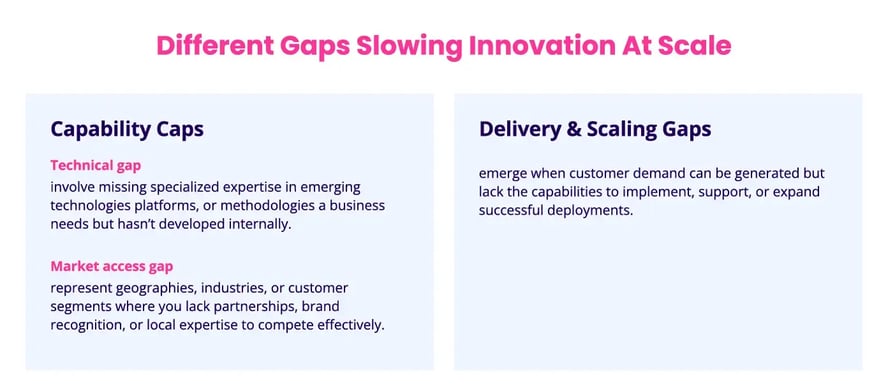
Exhibit 5: Gaps slowing innovation at scale
The most dangerous gaps are those you don't recognize until opportunities are lost. Build regular gap analysis into your ecosystem strategy process, ideally quarterly or whenever significant market shifts occur. Engage R&D teams, sales teams, and ecosystem partners in identifying where capability limitations are constraining growth or forcing compromises in customer solutions.
When gaps are identified, evaluate whether to build internally, acquire companies with needed capabilities, or pursue strategic partnerships and strategic alliances that fill gaps through collaboration. The decision depends on how central the capability is to your competitive advantage, how quickly you need it, and whether potential partners exist who could provide it reliably.
Often, the fastest path to innovation at scale involves partnering rather than building, but only if you've identified gaps early enough to cultivate relationships and integrate partner capabilities before market windows close.
To ultimately act like a partnership leader and establish a running ecosystem, multiple stakeholders need to be involved: R&D leaders assessing technical capabilities, commercial teams evaluating market alignment, and executives gauging cultural fit and strategic compatibility.
The investment in thorough partner selection pays dividends through partnerships that evolve productively rather than requiring ongoing management of misalignment and conflict. Effective partner selection can significantly increase partner revenue and help boost revenue for all parties by enabling cross-sell, upsell, and expanded market opportunities.
Selecting the right partners represents the most consequential decision in ecosystem building. While capability gaps identify what your ecosystem needs, strategic fit determines whether a potential partner will actually thrive in your network and contribute to long-term outcomes beyond just filling holes.
Partnership managers must balance the urgency of addressing immediate capability needs with the patience to find partners whose culture, ambitions, and business model align with your ecosystem strategy.
Capability-driven selection. What can potential partners deliver today?
Efficient identification of partners solving specific problems, but risking it as these are rather transactional arrangements instead of strategic relationships.
Selected partners based on capabilities often underperform because of misaligned incentives, cultural clashes, or conflicting priorities.
Strategic fit. What can potential partners contribute to long-term compatibility?
Efficient identification based on similar target markets, similar approaches to customer relationships, quality standards, and innovation, as well as business models compatible with the ecosystem's functionalities.
Selected partners with distinct reputation positions or strategic direction will create conflicts as partnerships evolve.
The most effective partner selection balances both criteria explicitly. Start with strategic fit and identify companies whose business model, market position, and strategic direction make them natural ecosystem partners. Within that strategically aligned set, prioritize those who fill your most critical capability gaps.
This approach may mean accepting temporary capability limitations to build partnerships that will strengthen your ecosystem over time, but it prevents the common trap of signing partners who address immediate needs but become problems as relationships deepen.
Channel conflict prevention requires designing your partner ecosystem with explicit attention to how partners will interact in the market and building in mechanisms that discourage destructive competition before partnerships are signed.
While some conflict is inevitable, as discussed earlier, partnership leaders can dramatically reduce its frequency and severity through proactive ecosystem design rather than reactive conflict management.
Market segmentation. Therefore, view partners as legitimate and sustainable with a meaningful differentiation. When partner believe their segment plays to their strengths, they're more likely to honor boundaries because violating them means competing where they're disadvantaged.
Incentive alignment. With the right partner compensation design, licensing fees, and revenue-sharing models that reward collaboration and penalize damaging behavior, a joint workstream can be secured.
Transparency mechanism. Making channel conflict visible early before it escalates to damage customer relationships, regular communication forums between ecosystem partners, shared data analytics, and clear escalation paths are necessary.
Prevention isn't ultimately eliminating all tension between partners, but building an ecosystem model where collaboration delivers better outcomes for all parties involved than destructive conflict should be the main goal. Emerging conflicts shall be resolved through established mechanisms before any relationship suffers.
Integration represents where ecosystem strategy either delivers on its promise or fails in execution (Exhibit 6). Having strong distribution partnerships, capable service partners, and talented creators means nothing if they can’t work together effectively to deliver comprehensive solutions to customers.
Co-branding initiatives and joint campaigns can further enhance collaboration and brand visibility within the ecosystem. Integrating an affiliate program can also expand reach and drive growth through influential partnerships. Partner management must design integration both technically and operationally.
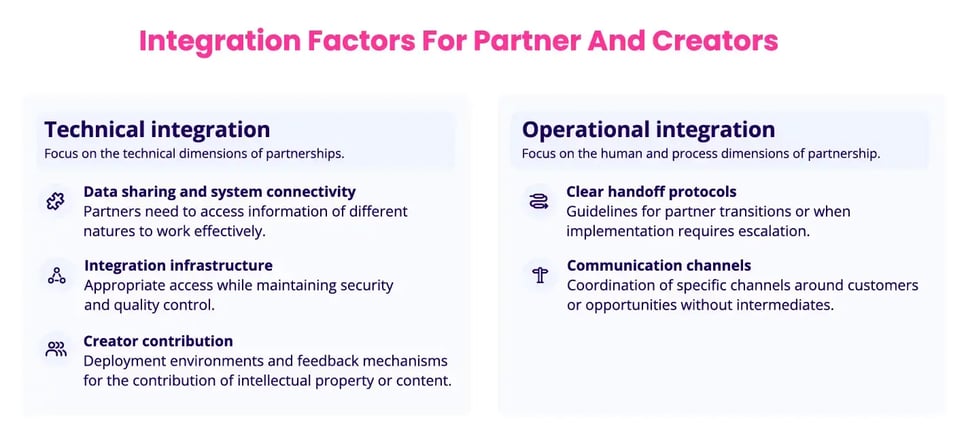
Exhibit 6: Integration factors for partners and creators
For the most sophisticated integration, ecosystem partners contribute to product development and strategy instead of only internally executing plans developed internally. Creating mechanisms for partners to submit feature requests, share customer insights, and even contribute to roadmaps and development transforms partners from executors into true ecosystem partners.
Whereas the aim is always to ensure diverse perspectives inform decisions and partners that feel invested in shared success, rather than implementing someone else’s vision.
As partner ecosystems grow in complexity, manual tracking and coordination become impossible. Software tools designed specifically for ecosystem management enable partnership leaders to maintain visibility, coordinate activities, and optimize partnerships at scale.
These platforms can also support managed services, including implementation, customization, and ongoing support for partners, making them a key component of comprehensive solutions within the partner ecosystem. The right technology infrastructure doesn’t just automate administrative tasks; it provides strategic capabilities impossible without systematic data collection and analysis across the partner network.
Ecosystem mapping tools visualize the structure of your partner ecosystem, documenting relationships between partners, capability distributions, market coverage, and integration points. This visibility proves essential for diagnosing overlaps and identifying gaps, enabling you to see at a glance where capabilities are duplicated, where coverage is thin, and how value flows through the network.
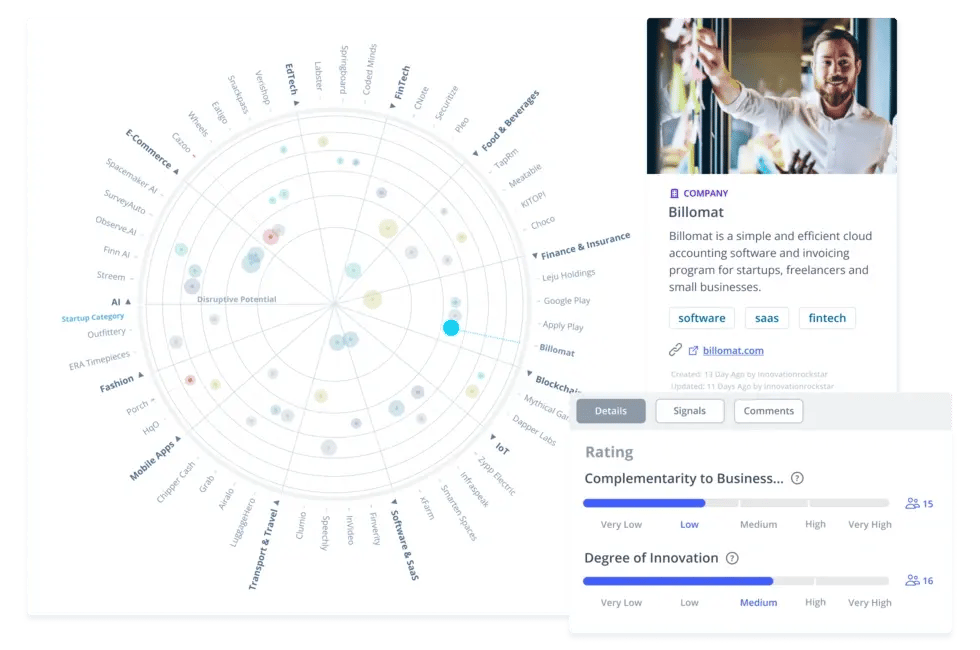
Exhibit 7: Partnership radar
Advanced mapping capabilities include tracking partnership evolution over time, modeling scenarios about how ecosystem structure would change if partnerships were added or removed, and analyzing network effects showing how changes in one part of the ecosystem ripple through other relationships.
When evaluating software tools for ecosystem management, prioritize platforms that integrate with your existing systems for customer relationship management, product development, and financial management. Ecosystems cut across organizational boundaries, and the software should reflect that integration.
Look for solutions offering both standardized best practices for common partnership scenarios and flexibility to adapt to your unique ecosystem model, ensuring the technology serves your strategy rather than forcing you into rigid frameworks that don’t fit how your business actually operates.
Getting started with ecosystem building with ITONICS
ITONICS provides innovation management software specifically designed to help partnership leaders orchestrate complex partner ecosystems at scale. The platform combines ecosystem mapping, collaboration tools, and strategic planning capabilities in an integrated environment that connects internal innovation teams with ecosystem partners, creating visibility and coordination that would be impossible with disconnected spreadsheets and documents.
Expand your network. Publish your most severe challenges on a public page and invite organizations to pitch their ideas. Use ITONICS to manage submissions and turn proposals into partnerships.
Manage partnerships with custom workflows. Use ITONICS to create flexible workflows that move at speed, so you can evaluate, engage, and grow partnerships systematically without slowing them down.
Drive ideas to implementation. Co-creating with external partners and other experts, ITONICS serves as a platform to access and coordinate idea submissions for defined fields.
Cultivate a culture of innovation. Adapt and quickly respond to new challenges with ITONICS. Establish open innovation practices that are well-developed, integrated, and easy to coordinate and maintain.
Whether you're designing a first partner ecosystem or optimizing an established network, ITONICS provides the infrastructure for treating partnerships as the engineered systems they need to be rather than the ad-hoc collections they often become. Let's capture the full competitive advantage that well-designed partner ecosystems deliver together!