3 core tools sustaining stakeholder engagement in innovation projects


Most corporate innovation initiatives take 3 to 5 years to show a return on investment. Budget reviews happen every quarter. That gap is where innovation programs end — not because the work was wrong, but because stakeholders ran out of patience before results arrived.
Identifying practices for sustaining stakeholder engagement across that gap is crucial for innovation success. Understanding the importance of credibility, reliability, and intimacy is what separates developments that survive from those that get cut.
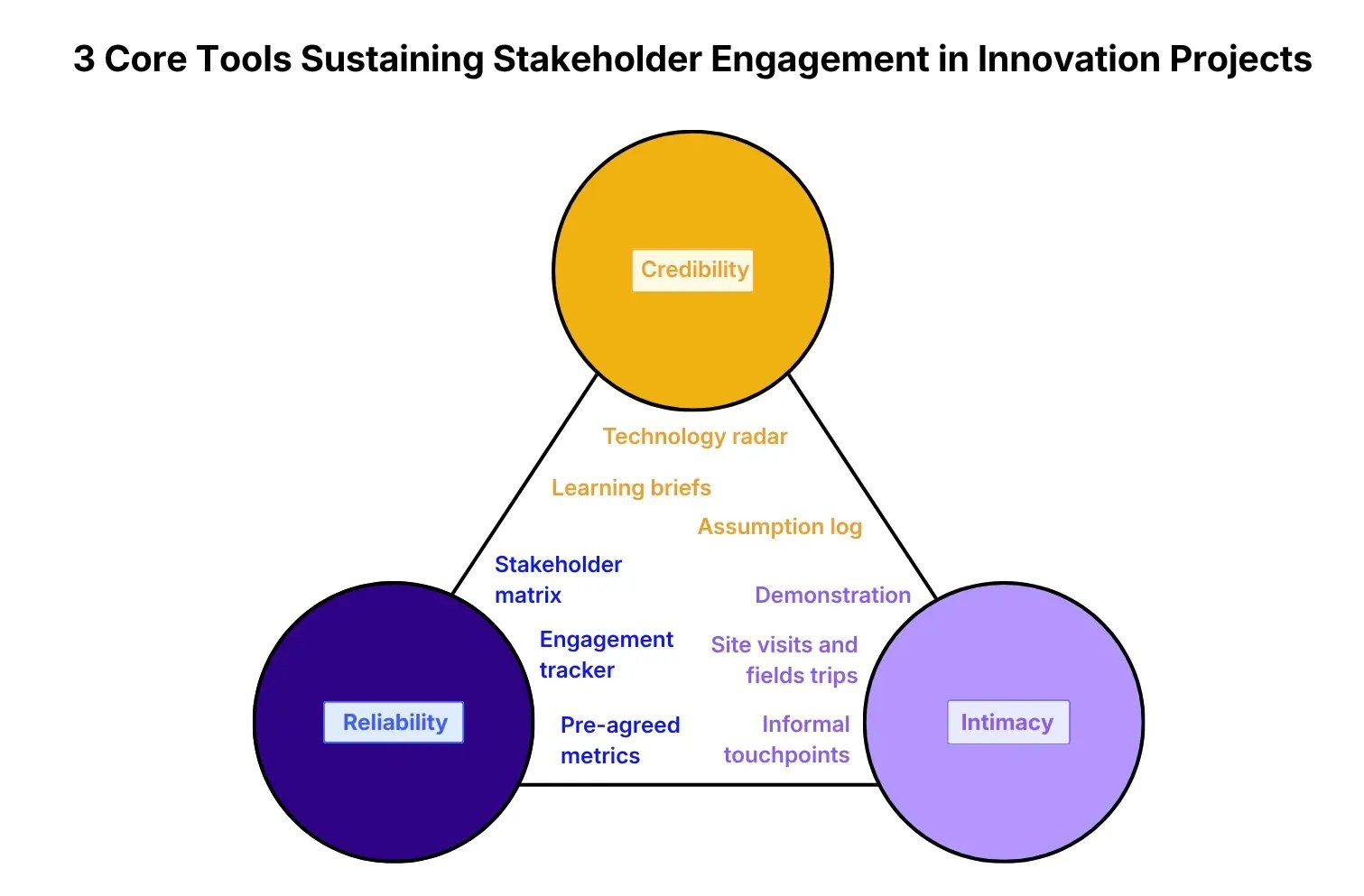
Exhibit 1: 3 core tools to sustain innovation stakeholder engagement
Below, I report the essential stakeholder engagement strategies in innovation management that ensure promising initiatives keep getting funded.
Annual planning rewards short-term outcomes. Innovation does not produce short-term outcomes. Each budget cycle, stakeholders face the same question: What has this innovation project delivered that justifies continued investment?
Innovation teams that survive year three are not always doing the best work. They are better at stakeholder management:
Managing these three points significantly increases the chances that the organization will remain invested without concrete profit, even over a longer period.
All these points are about creating stakeholder engagement that makes your program a shared organizational investment and growth initiative, not a cost center waiting to be cut.
Stakeholders fund transformation programs as they expect significant future benefits. The day they commit millions of dollars is based on a certain confidence level. Yet, they cannot evaluate early-stage idea quality directly. Plus, the level of uncertainty inherited in innovation projects is under-estimated systematically.
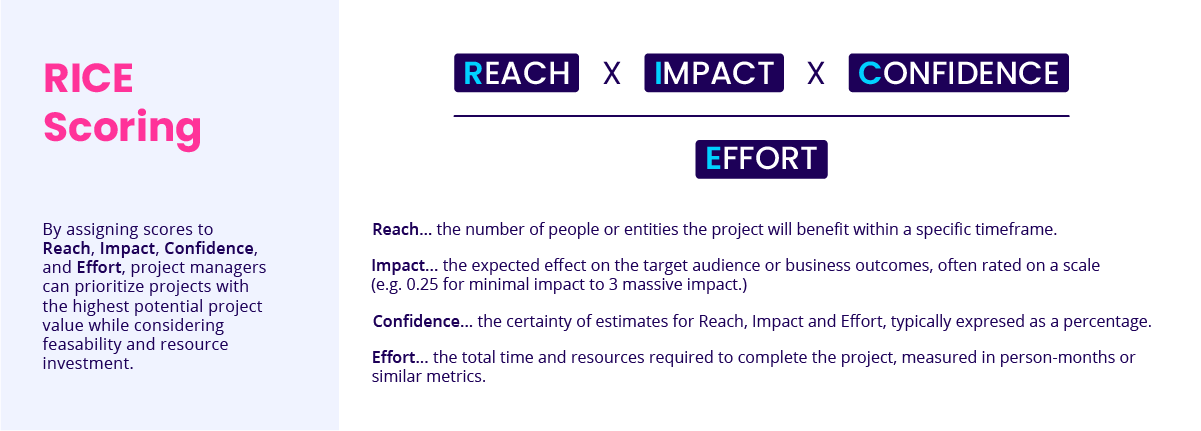
Exhibit 2: The level of confidence determines project prioritization | RICE scoring framework
To engage stakeholders effectively, start by identifying which proxies they rely on and gauge their confidence level. That is the foundation of good stakeholder management.
Strategic relevance. Does your concept connect to current or future priorities? Identifying which stakeholder interests exist and how they shift — through workshops, surveys, or direct conversations — is essential.
It is thus important to share regular updates and speak with stakeholders - not only about the project - but strategic priorities to acknowledge early warning signs before the focus drifts from what organizations now consider crucial.
Visible momentum. Are ideas moving through the pipeline? Stakeholders look for signals of progress — pilots launched by project teams, partners engaged, development milestones hit. When stakeholder groups see nothing moving, they assume the process has stalled.
Involve stakeholders in the development process and share accurate, proven insights. Do not focus on explaining the process, but make the possible result visible.
Team credibility. Do stakeholders trust the team? Engaged stakeholders don't show by the number of questions or contact points. The reverse is true. Too many questions and touchpoints signal problems with trustworthiness.
To build a strong relationship and gain the necessary buy-in, regularly demonstrate your credibility, reliability, and intimacy.
These three capabilities form trust. The following describes tools that help you develop each capability.
Credibility is affected by learning outputs. Early innovation projects produce collective knowledge before they produce solutions. Technology assessments, validated assumptions, failed pilots, and competitive data are real outputs with immediate value to leaders, partners, and R&D stakeholders.
Tools to use:
/Still%20images/Radar%20Mockups%202025/capability-views-ease-multi-criteria-decisions-2025.webp?width=2160&height=1350&name=capability-views-ease-multi-criteria-decisions-2025.webp)
Exhibit 3: A trend radar, highlighting the impact of the trend convergence of AI
Reliability is built through consistent participation, promised delivery, and involvement. Individual contribution from employees, business unit heads, and innovators — submitting ideas, rating trends, reviewing portfolio health updates — creates the ownership that defends programs when budgets tighten. Cutting the program means cutting something they helped build.
Tools to use:
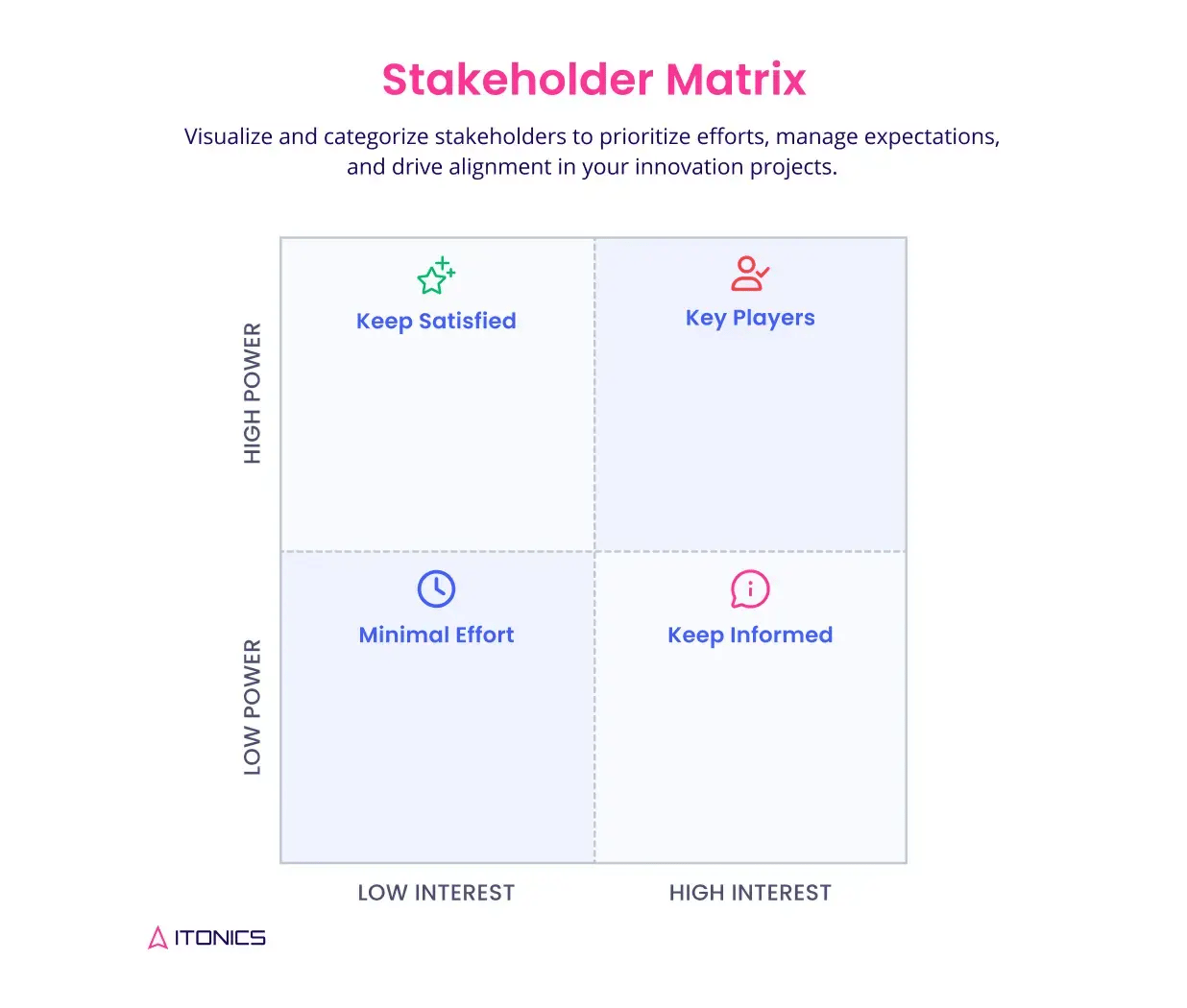
Exhibit 4: A stakeholder matrix to map groups by power and interest
Intimacy is the most underestimated dimension of stakeholder trust — and the hardest to fake. It is not built through project updates. It is built through connections that have nothing to do with the transformation program itself.
This matters over a three-year horizon because people fund people. When organizations cut budgets, executive stakeholders protect the programs led by teams they know personally and trust instinctively — not just professionally.
Tools to use:
Knowing what to communicate is not the same as making it happen consistently. This section covers the operational principles that turn stakeholder engagement from intent into infrastructure.
Monthly insight briefs for business unit stakeholders. Three signals, one recommendation, under 400 words. Match content to each stakeholder group's interests and concerns. This cadence builds the most durable connection over a multi-year innovation project and is where most organizations underinvest.
Quarterly portfolio reviews for executive stakeholders. Show how portfolio health has shifted. Link current innovation initiatives to customer feedback and the strategic objectives from the last planning cycle. Strategies need to stay visibly connected to your solutions and course.
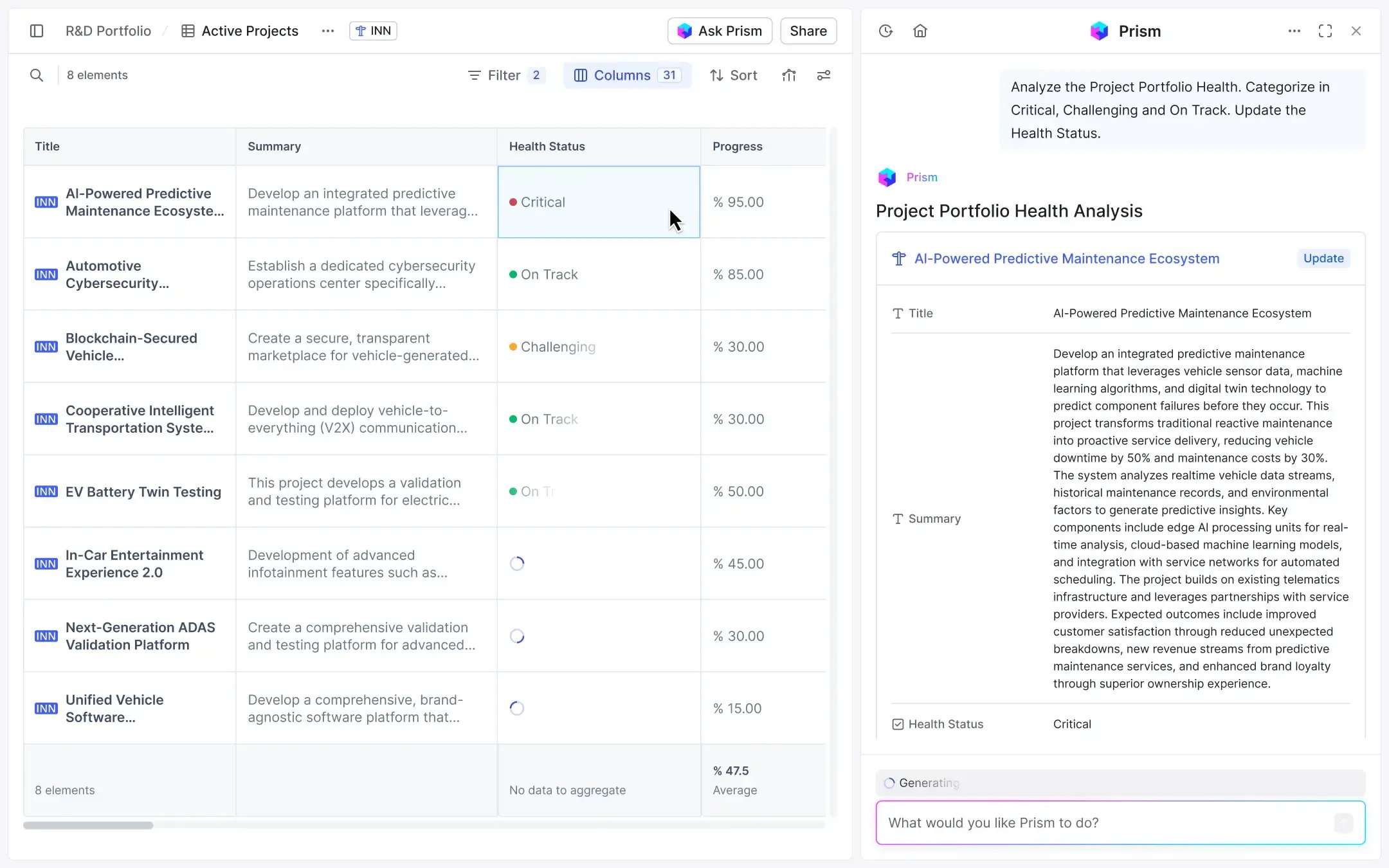
Exhibit 5: Analyzing automatically the strategic project portfolio health inside ITONICS
On-demand access via one operating system. Connecting all strategic and operational data in one operating system creates the transparency needed to manage the innovation portfolio. It gives stakeholders real-time visibility into trends and portfolio health without waiting for a scheduled update.
Targeted newsletters to sustain involvement. ITONICS in-system newsletters let you invite specific stakeholder groups to submit ideas, give feedback, or review innovation project updates directly from the platform. Regular interaction between formal milestones promotes active participation and builds the contribution habit across employees, innovators, and partners.
The ITONICS Innovation OS offers comprehensive innovation stakeholder management by providing unified visibility into portfolio health and control over your entire innovation process, from environmental scanning to roadmapping.
/Still%20images/Kanban%20Board%20Mockups%202025/portfolio-govern-project-boards-2025.webp?width=2160&height=1350&name=portfolio-govern-project-boards-2025.webp)
Exhibit 6: A project portfolio board with KPI aggregation
Eliminate tool sprawl and data silos to encourage collaboration: Managing innovation across 5-7 disconnected systems creates gaps where critical knowledge and stakeholder input get lost. With ITONICS, environmental scanning, idea management, and roadmap decisions happen in one integrated system. This seamless integration enhances inclusion by connecting diverse stakeholder groups and ensuring innovators can explore environmental signals linked directly to active spending.
Connect strategy to execution in real-time to boost stakeholder ability: ITONICS connects external developments directly to internal decisions, empowering investors and innovation leaders alike. When your team explores a new business solution, it becomes immediately visible to decision-makers. Prism automates solution monitoring and surfaces relevant signals, enabling faster creation and implementation of innovations.
Manage 200+ development activities with command-center control to foster inclusion: ITONICS provides real-time insights across all development activities, helping teams prioritize resources effectively. Understand which features and products deliver ROI and align stakeholder interests. Portfolio managers at Siemens Energy, Bosch, and Toyota use ITONICS to systematically optimize their innovation management, encouraging collaboration and driving successful stakeholder engagement.