RFP template for R&D and product development software: 26 core Q&as


Software promises to make work easier, faster, and smarter. RFPs make it slower, harder, and dumber. Unless you focus on the right questions instead of checking boxes.
Most organizations spend six months evaluating vendors, involve dozens of stakeholders, and still can’t tell which proposals are real versus marketing. The problems start with bad questions. Generic RFPs produce identical-looking proposals where everyone claims a perfect fit.
Using a proposal template can help organizations create more effective RFPs and attract better responses from potential vendors.
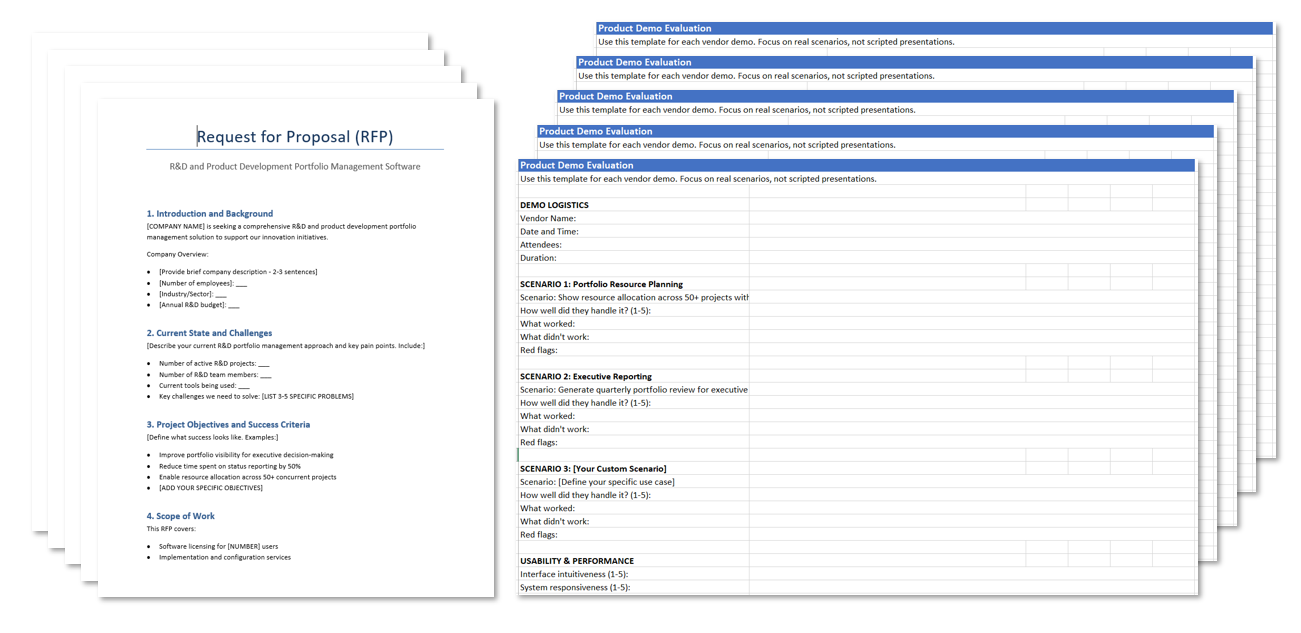
Exhibit 1: R&D and new product development RFP template (download) and workbook (download)
The following 26 questions are your RFP template to separate R&D management and product development software vendors that deliver from those that just write convincing responses. A well-structured RFP process can also help you discover new vendors who bring innovative solutions, rather than just relying on established providers.
Most RFP failures happen before you start the request for proposal. Organizations rush into formal procurement without asking whether they need an RFP, who should drive decisions, or how long the process actually takes.
A planned approach to RFP preparation includes deliberately outlining key requirements, establishing clear timelines, and defining stakeholder roles to ensure a thorough and organized process.
Most organizations waste six months on a formal request for proposal because procurement tells them to, not because it's the right tool.
Here's the rule: RFPs make sense for high-cost, high-stakes decisions with multiple vendors and complex stakeholder approval.
Use an RFP when your situation meets these conditions:
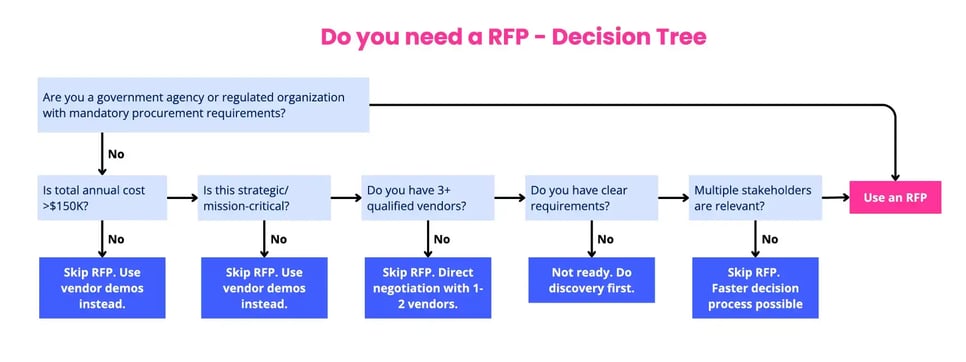
Exhibit 2: Decision tree to clarify whether to use a software RFP
For everything else (lower costs, single-team tools, or straightforward decisions) start with vendor demos using real data. Formalize the request for proposal only when the investment and complexity justify the process overhead.
Your team composition determines what you'll optimize for. IT-heavy teams prioritize integration over usability. Executive-only teams miss operational realities that kill adoption.
The optimal team has five members:
That's it. Five people maximum.
Beyond five, decision-making collapses. Each additional stakeholder adds competing priorities and extends timelines by weeks. Companies that include representatives from every department that might touch the system create committees where nobody has authority, and everyone has veto power.
The rule: If someone doesn't use the system daily or control the budget, they get consulted, not a vote. Small teams with clear decision rights outperform consensus-driven committees every time.
Plan on 4-5 months from RFP release to signed contract, not considering your RFP preparation time.
Anyone promising faster is lying or cutting corners that will cost you later.
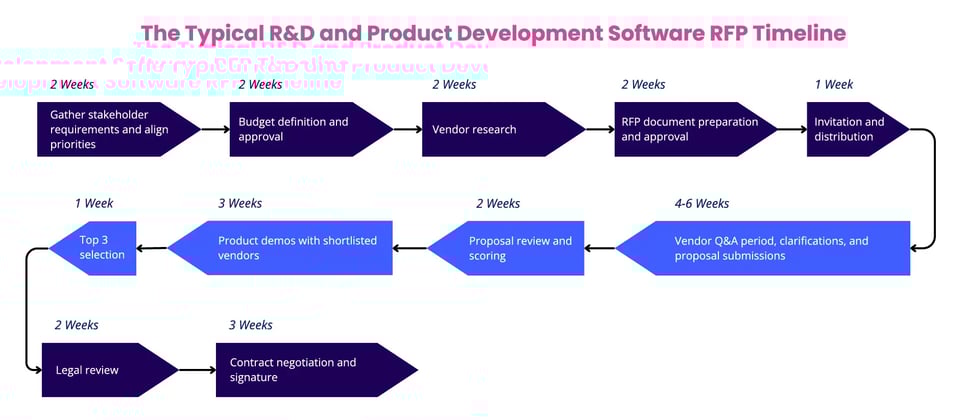
Exhibit 3: The typical R&D and product development software RFP timeline
The breakdown shown in Exhibit 3:
That’s 24 weeks, assuming nothing goes wrong. It is crucial to clearly define the project completion date in the RFP to ensure all parties are aligned on final deliverables and deadlines.
The real timeline killer isn’t vendor evaluation. It’s internal politics. Organizations spend more time arguing among themselves than assessing vendors. Front-load this work. Get stakeholders aligned on priorities before releasing the request for proposal, or add another two months to your timeline.
Most RFP requirements lists are illusions. Organizations compile 200+ features without distinguishing what matters from what sounds impressive in committee meetings. Clearly mapping out the processes involved in procurement and RFP development helps ensure requirements are relevant and actionable.
Vendors respond by claiming they meet everything, forcing you to waste weeks decoding marketing language.
Smart requirements separate qualified vendors from pretenders in the first round. Bad requirements guarantee months of confusion and a wrong decision.
Limit must-haves to 15 capabilities maximum. These are features where "no" disqualifies a vendor immediately. Everything else is negotiable based on price, implementation timeline, and overall fit.
For R&D and product development software, typical must-haves include portfolio-level resource planning, configurable workflows that match how your teams actually work, and reporting that maps to executive decision making.
Nice-to-haves might include AI-powered insights, mobile apps, or advanced scenario modeling.
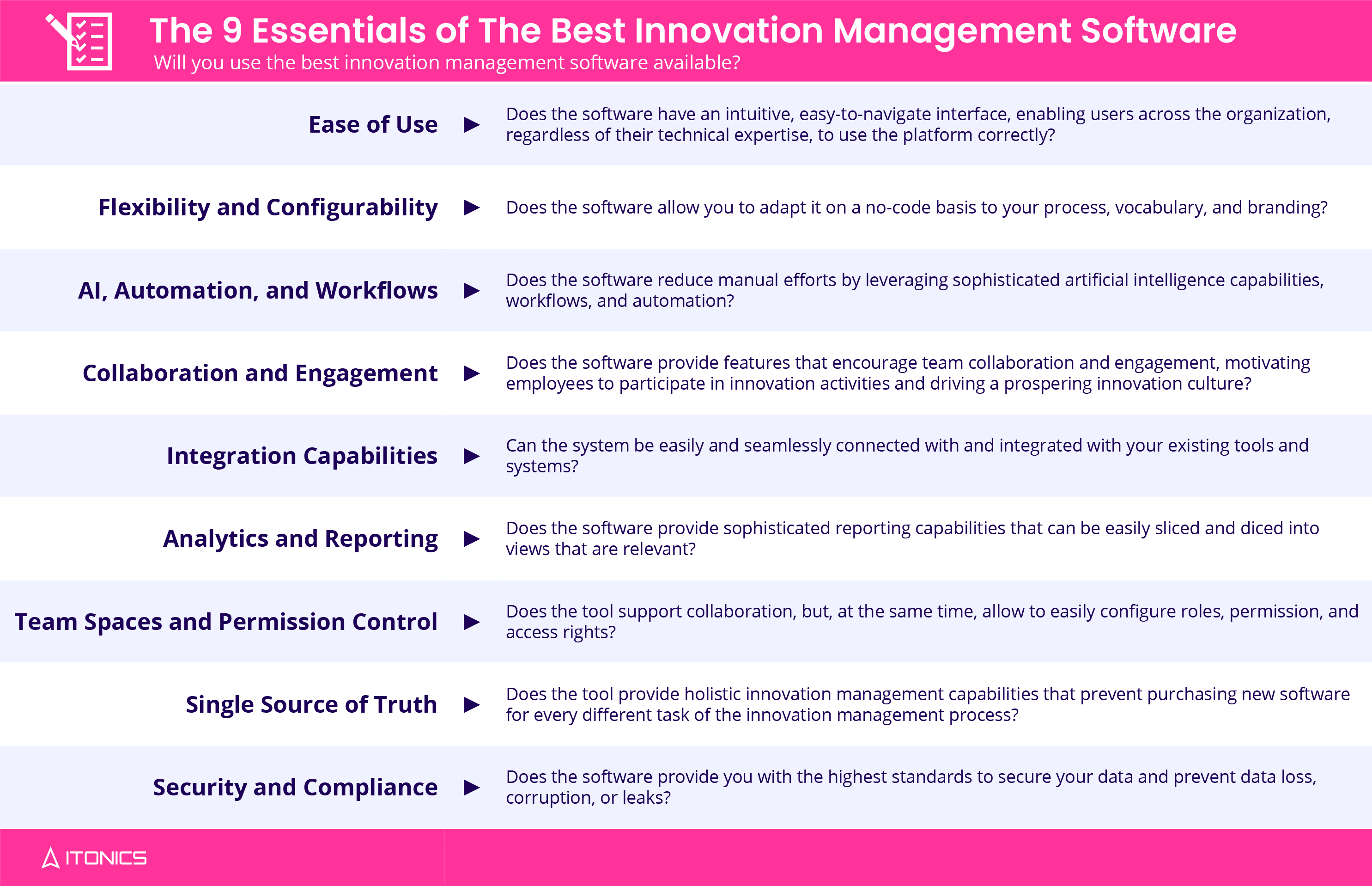
Exhibit 4: Overview of must-haves in the best R&D and product development software
The problem with longer lists? Vendors game the system. They'll claim partial capabilities as "yes" responses, forcing you to dig through proposals hunting for truth. When everything is critical, nothing is. You end up evaluating vendors on features that won't influence your actual decision. Keep the list tight. Qualified vendors will differentiate themselves on execution quality, not feature checklists.
Don't describe your current process and ask vendors to digitize it. That's how multiple companies end up with expensive software that perpetuates dysfunction.
Describe outcomes instead of features. "We need visibility into resource allocation across 50 active projects" beats "We need Gantt charts with resource leveling."
The first invites creative solutions. The second forces vendors into specific features that might not solve your actual problem.
Talk to people who will use the system. Program managers know where bottlenecks occur. R&D leaders know what decisions lack data. These pain points should drive your proposal requirements, not your VP's wishlist of features they saw at a conference.
Ground requirements in real problems, and qualified vendors will propose solutions you hadn't considered.
This is the fundamental trade-off in enterprise software. Integrated suites promise seamless data flow but deliver mediocre capabilities. Best-of-breed tools excel at specific functions but create integration headaches.
For R&D teams, the answer depends on your existing stack. Heavy investment in Microsoft, SAP, or Oracle platforms argues for integrated solutions. If you've assembled best-of-breed tools for other functions, adding another specialized system is manageable.
The wrong answer is assuming you can have both. Vendors promise deep integration with everyone. Reality? Most integrations require custom development, ongoing maintenance, and break with system updates. Budget accordingly or accept limitations.
Every vendor now claims to be AI-native. Most wrap basic automation in AI branding to justify higher pricing. Your job is separating substance from marketing.
Ask specific questions:
For innovation intelligence specifically, look for tools that identify patterns across your portfolio, surface weak signals from external sources, and connect adjacent opportunities. Generic AI features that auto-categorize projects or predict timelines are table stakes, not differentiators.
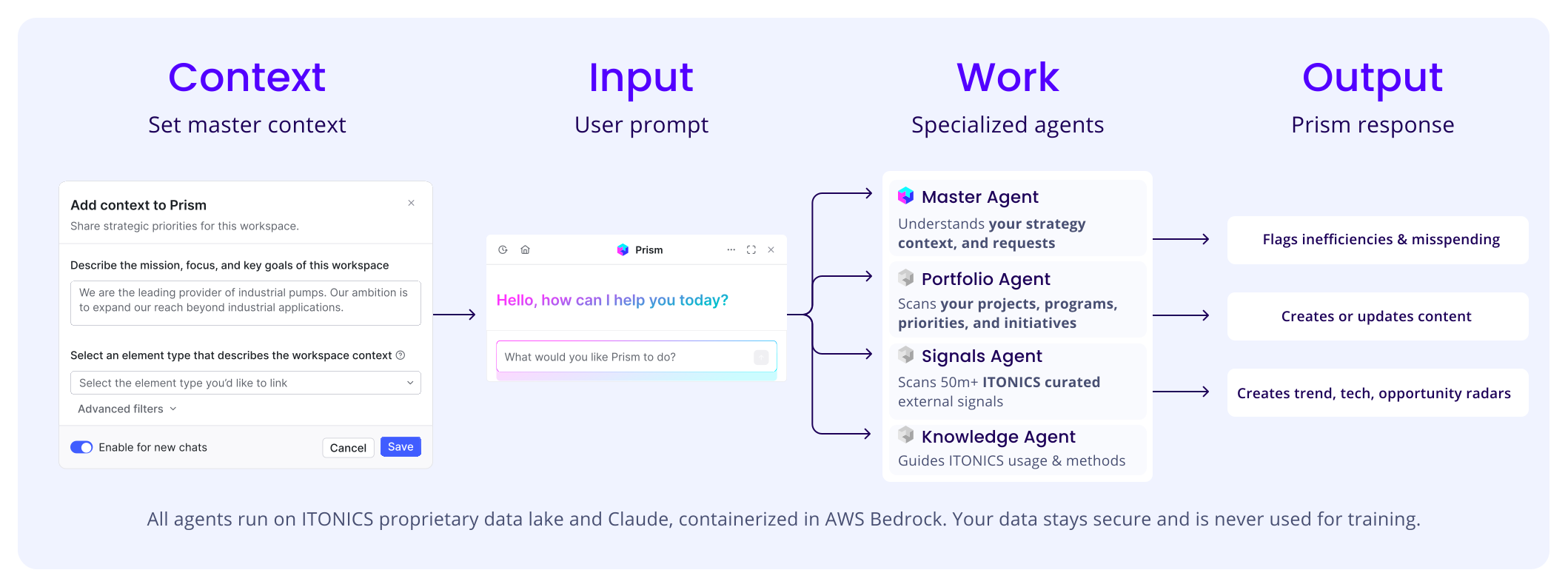
Exhibit 5: How Prism, the ITONICS AI, works and prevents porfolio losses for you
Most organizations invite too many vendors, use scoring frameworks that obscure rather than clarify decisions, and run demos that showcase nothing useful.
The result? Months wasted comparing proposals that all look identical. Smart evaluation criteria expose real capability differences in weeks, not months. Evaluation criteria should also assess how well each vendor aligns with your organization's strategic goals.
Bad criteria guarantee you’ll select based on whoever writes the best marketing copy.
Three to five vendors is optimal. Fewer than three lacks meaningful comparison. More than five becomes unmanageable.
The mistake most companies make is casting too wide a net.
They invite 10+ vendors because procurement wants to demonstrate thoroughness, then lack the resources to evaluate properly. You end up doing surface-level analysis of everyone instead of a deep evaluation of legitimate contenders.
Do homework before sending the RFP. Eliminate obvious mismatches through preliminary calls. Only invite qualified vendors who could realistically win based on capabilities, pricing, and implementation capacity. Every additional vendor adds weeks to your timeline without improving decision quality.
Weighted scoring sounds objective, but it usually obscures decision-making. Companies assign 30% weight to functionality, 25% to cost, 20% to implementation, then argue about scores until they support whoever the leadership wanted anyway.
Better approach: Use scoring to eliminate clear losers, not pick winners. Set minimum thresholds for must-have evaluation criteria.
Any vendor below the threshold is out. Among qualified vendors, make the final decision based on holistic assessment, reference calls, and gut feel about execution ability.
If you must use weighted scoring for the procurement process, keep it simple. Three categories: Does it work? Can we afford it? Will they deliver? Equal weight. Anything more complex is false precision that wastes time in committee meetings debating whether integration deserves 15% or 20% weight.
Vendor demos are usually worthless. They show perfectly configured systems with clean data and features you'll never use. Then you buy the software and discover it doesn't work like the demo.
Flip the script. Provide vendors with your actual data: messy, incomplete, realistic. Give them specific challenges: "Show us resource allocation when three projects compete for the same engineer." Make them work in real time, not follow a script.
Watch for red flags:
POCs sound smart, but often delay decisions without adding clarity. They make sense for complex integrations, high-risk implementations, or choosing between nearly equal finalists. They don't make sense as standard procedure.
If you run a POC, make it meaningful. Define specific success criteria upfront. Use real data and real users. Limit duration to 2-4 weeks maximum. Anything longer becomes free consulting, where the vendor extends the process to avoid the best and final offer negotiation.
Many companies use POCs to avoid decision-making. If you can't choose based on proposals, demos, and references, a POC won't create clarity. It pushes the decision point further out while burning budget and credibility with the right vendor who's watching you waste time.
Technical requirements kill more software projects than any other factor.
Organizations discover too late that security questionnaires checked boxes without ensuring actual protection, implementation estimates were fantasy, data migration was impossible, or the vendor stopped developing the product.
It is equally important to evaluate the service component of vendor offerings, including service delivery and ongoing support.
Security questionnaires are often compliance theater. Potential vendors fill out 300-question forms that no one reads. What matters is whether they demonstrate real security practices, not check boxes.
Focus on essentials: SOC 2 Type II certification, data encryption in transit and at rest, role-based access controls, and regular penetration testing. For regulated industries, add specific requirements like GDPR compliance or data residency options.
Don't ask potential suppliers to describe their security program in essays. Request certifications, recent pentest results, and verify they have actual customer references in your industry.
Vendor estimates for implementation are consistently optimistic by 50-100%. They assume perfect data, cooperative users, and no technical surprises. None of these assumptions holds for real businesses.
Ask pointed questions:
The real complexity indicator is data migration. Moving from legacy systems with decades of project history requires 3-6 months just for cleanup. Vendors downplay this to win deals.
Gather information from current customers about their implementation experience. Typical responses reveal whether promised timelines were realistic.
Companies discover too late that historical data doesn't fit the new system's structure, or "automated migration tools" require manual cleanup of 80% of records.
Critical questions for potential vendors:
Insist on a detailed migration plan in proposals. Any vendor treating this as a minor technical detail has never done a complex migration. Budget twice their estimate.
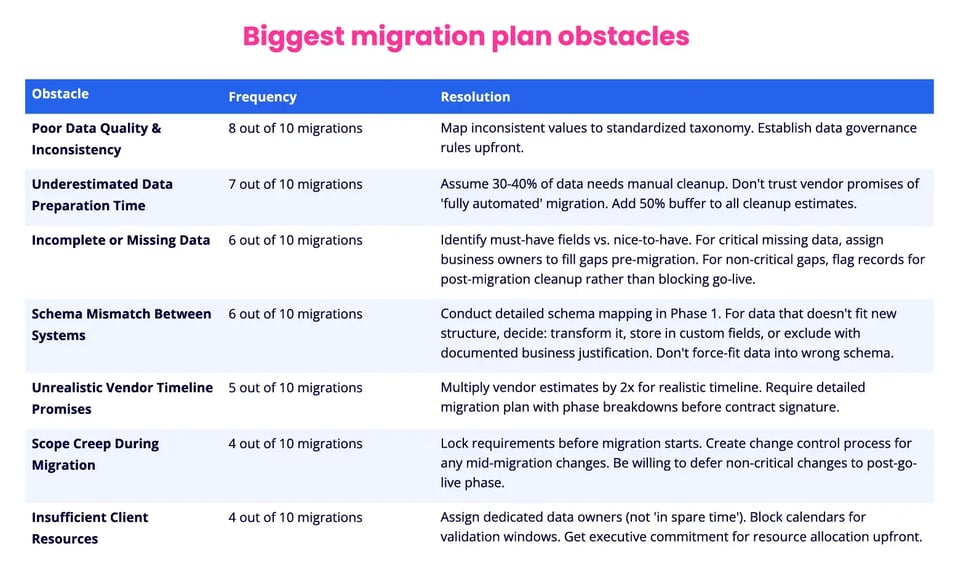
Exhibit 6: Biggest migration plan obstacles
Initial implementation is just the beginning. You'll spend 5-10 years with this software. What matters is whether the vendor continuously improves the product and supports you when things break.
Examine the product roadmap. Are they adding capabilities matching your specific needs, or features irrelevant to your use case?
For support, look beyond SLA promises. Talk to current customers about actual response times and resolution quality. Check user communities and forums. Active communities indicate engaged customer bases and responsive vendors. Ghost-town forums are warning signs.
The benefits of great ongoing support compound over the years. Poor support turns into mounting frustration and eventual replacement costs. Gather information from long-term customers, not just recent implementations, to understand true vendor commitment.
Most organizations confuse consensus-building with democracy, let leadership override evaluation results, and negotiate from weakness. These mistakes add months to timelines and increase the odds of choosing the wrong vendor.
Smart decision-making requires clarity about who decides and why.
Consensus is overrated. Trying to make everyone happy produces mediocre decisions that serve no one's needs.
What you need is alignment on decision criteria, not agreement on outcomes.
Get stakeholders to commit upfront: "If the system meets these evaluation criteria at this price, we're moving forward."
Then hold people to it.
Most post-decision objections come from stakeholders who never clearly articulated their requirements. They wanted to save time during requirements definition, then object when proposals don't match unstated expectations.
Organizations that skip this upfront work spend months relitigating decisions that should have taken weeks.
This happens constantly. The evaluation team recommends Vendor A based on detailed analysis. Leadership wants Vendor B because they saw them at a conference.
Build a bulletproof business case with specific risks and quantified costs. Leadership usually has legitimate concerns not captured in your evaluation criteria, identify these concerns and address them directly with background information and pricing information comparisons.
If you can't convince them with a clear understanding of potential impact, implement their choice and plan for replacement when it fails on complex projects.
Negotiating with multiple prospective vendors simultaneously is standard practice and completely ethical. It maintains pricing leverage while letting you gauge success probability with each option.
The key is transparency. Tell vendors you're in final negotiations with 2-3 finalists. This creates healthy competition without manipulative games.
Sequential negotiation, picking a winner then negotiating, gives away all leverage. The vendor knows they won. Now you're negotiating from weakness. Only go sequential if you have a single clear choice and can identify specific tasks and services where their potential value justifies premium pricing.
Most organizations celebrate vendor selection, then discover contract terms that trap them, implementation plans built on fantasy, and no clear definition of success.
Focusing on employee engagement during the implementation phase is crucial for staff retention and ensuring the successful adoption of the new system.
These three decisions determine whether your software investment delivers benefits or becomes an expensive mistake you’re stuck with for years.
Most companies focus on pricing and miss contract terms that actually matter: data ownership, exit rights, and liability caps.
You must own your data with the right to export it in usable formats anytime. Liability caps should be meaningful.
Get legal involved early. Negotiating contract terms after vendor selection adds 4-6 weeks to timelines. Review standard terms during the bidding process so you know which vendors will be difficult. Limited resources mean you can't afford contract renegotiations that delay the start date.
Phased rollout beats big-bang implementation every time. Start with a pilot team, work out problems, then expand. This approach delays full value but dramatically reduces risk.
Define clear success criteria for each phase. Not "system is live" but "80% of users log in weekly" and "project data is 95% accurate."
The biggest mistake is treating implementation as purely technical. It's an organizational change.
Budget for training, communication, and process redesign, not just software configuration. Track progress against realistic milestones. Implementation is always more time-consuming than vendors promise in the rfp response.
Define success metrics before implementation starts.
Focus on business outcomes, not system metrics. "Reduced time to prioritize quarterly portfolio by 50%" matters. "99.9% system uptime" is table stakes. Link metrics to original business goals that justified the investment, and the benefits you promised executives during the bidding process.
Track key performance indicators monthly for the first year. Many implementations look successful at go-live, then fail gradually as users revert to old tools. Early warning signals let you course-correct before failure becomes permanent.
Determine metrics in such a way that they measure actual value:
The best proposals come from well-structured RFPs. Including detailed information about your company's background, structure, and strengths in the RFP helps differentiate your organization and build credibility with vendors.
Vendors need context to propose solutions for your specific project, but most RFPs either provide too little or bury them in company history that nobody reads. Organizations issue requests for proposals to solicit detailed responses from vendors, ensuring they receive tailored solutions for their needs.
Share what matters:
Be honest about constraints. If you have limited IT resources, say so. If you need integration with a 20-year-old legacy system, disclose it. Surprises during implementation are expensive for everyone. Background information should enable accurate proposals, not impress other vendors with your business achievements.
Structure requirements in three tiers: must-have, important, and nice-to-have. Force yourself to keep must-haves under 20 items.

Exhibit 7: 3 rules to distinguish must- ,should- ,and nice-to-haves
For each requirement in your request for proposal (RFP), ask vendors for specific responses: yes/no for must-haves, detailed explanations for important items, brief notes for nice-to-haves. Don't let companies respond to 200 requirements with "our solution handles this."
Include example scenarios for your proposed project. Instead of "do you support resource management," describe a situation: "We have 8 R&D teams, 50 active projects, 200 people. Show us how your tool handles resource allocation when multiple project managers request the same specialist."
Concrete scenarios produce useful proposals instead of marketing language.
Clear instructions separate useful proposals from sales brochures. Specify maximum page length, required sections, format for pricing, and how to handle requirements tables.
Require consistent pricing breakdowns: license costs, implementation fees, training, annual maintenance, and integration work as separate line items. Bundled pricing makes comparison impossible across multiple companies.
Set firm deadlines and stick to them. Vendors who can't follow proposal instructions won't follow implementation schedules. Late submissions should be disqualified unless you've been granted formal extensions. This discipline ensures you get request responses structured in such a way that comparison is straightforward.
Communicate every major milestone with specific dates: RFP release, Q&A cutoff, proposal deadline, demo period, finalist notification, and final decision. Include buffer time for unforeseen events that delay internal reviews.
Build in buffer time. If you need a decision by Q4, set your final decision date 2-3 weeks earlier. Something always slips with business approvals or legal reviews.
Most importantly, communicate internal deadlines. If proposals go to a committee meeting monthly, vendors need to know their proposal must be perfect when submitted. No time for clarifications means a higher risk of disqualification on technicalities in your proposed project evaluation.
Every requirement you add increases vendor effort and their pricing. Complex proposal templates favor large vendors with dedicated proposal teams. Smaller, innovative companies often can't compete because they lack the resources to respond to 100-page requests.
Ask yourself: will this information change our decision? If not, cut it. A 25-page request for proposal with focused questions produces better responses than 100 pages that vendors fill by copy-pasting previous submissions.
Bureaucratic RFPs attract other vendors good at jumping through hoops, not solving problems. If you want innovative partners, write templates that innovative businesses can respond to.