AI technology scouting works when it connects to your roadmap


AI-powered technology scouting now finds emerging technologies in seconds. The discovery half of scouting once meant conference travel and hours of manual search. That half collapsed to minutes. A tool that surfaces 300 matches a week still leaves the hard question open. Which of these technologies are mature enough to bet on, and which belong on your roadmap?
Global patent filings hit 3.55 million in 2023 across industries. Each one is a possibility that could matter to research and development teams. Identifying opportunities early is critical, and access to that scale of data is exactly what AI scouting tools deliver.
Yet, most scouting tools return a queue of insights detached from the plan. The results sit apart from what the business already builds and from the product offerings on the horizon.
AI-powered technology scouting pays off once it connects to a roadmap. Effective scouting drives a decision rather than a good-looking technology radar. Every result should resolve into one of four outcomes:
Everything else lengthens the list and leaves the decision as hard as before. This article lays out the toolset that ties priorities to scouting effort and links each new technology to a business decision.
| Traditional Technology Scouting | AI-Powered Technology Scouting | |
|---|---|---|
| Discovery | Conferences, journal subscriptions, manual patent review | NLP scans patents, scholarly papers, preprints, and startup databases |
| Coverage | One narrow field per scout | Dozens of industries and thousands of companies at once |
| Speed | A full quarter of manual research per scan | The same ground covered in minutes |
| Output | A quarterly research report | A live dashboard, updated daily |
| Scout's role | Hunting and collecting technologies | Judging and interpreting technologies |
| Roadmap decision | Left to whoever reads the report | Left to whoever reads the dashboard, unless it connects to the roadmap |
Exhibit 1: Comparison of traditional technology scouting with AI technology scouting processes
Classic technology scouting ran a systematic process bound by human limits. A tech scout built relationships at conferences, tracked a short list of journals, and read patents by hand in one narrow field. Coverage matched how many events a person attended and how many research reports they could digest.
AI-powered technology scouting removes that ceiling. Natural language processing scans patent filings, academic research from academic institutions, preprints, and startup databases across many industries at once. One scan covers what took a full quarter of manual research to read by hand.
The breadth is the point. A single query now spans dozens of industries and thousands of companies, surfacing technologies from fields a human scout would never track. The engine ranks emerging technologies, mature technologies, and declining technologies on one screen, and it flags the technologies worth funding beside the technologies worth ignoring.
It ranks them against current market trends and maps them onto the competitive landscape, so the scout can identify which technologies matter.
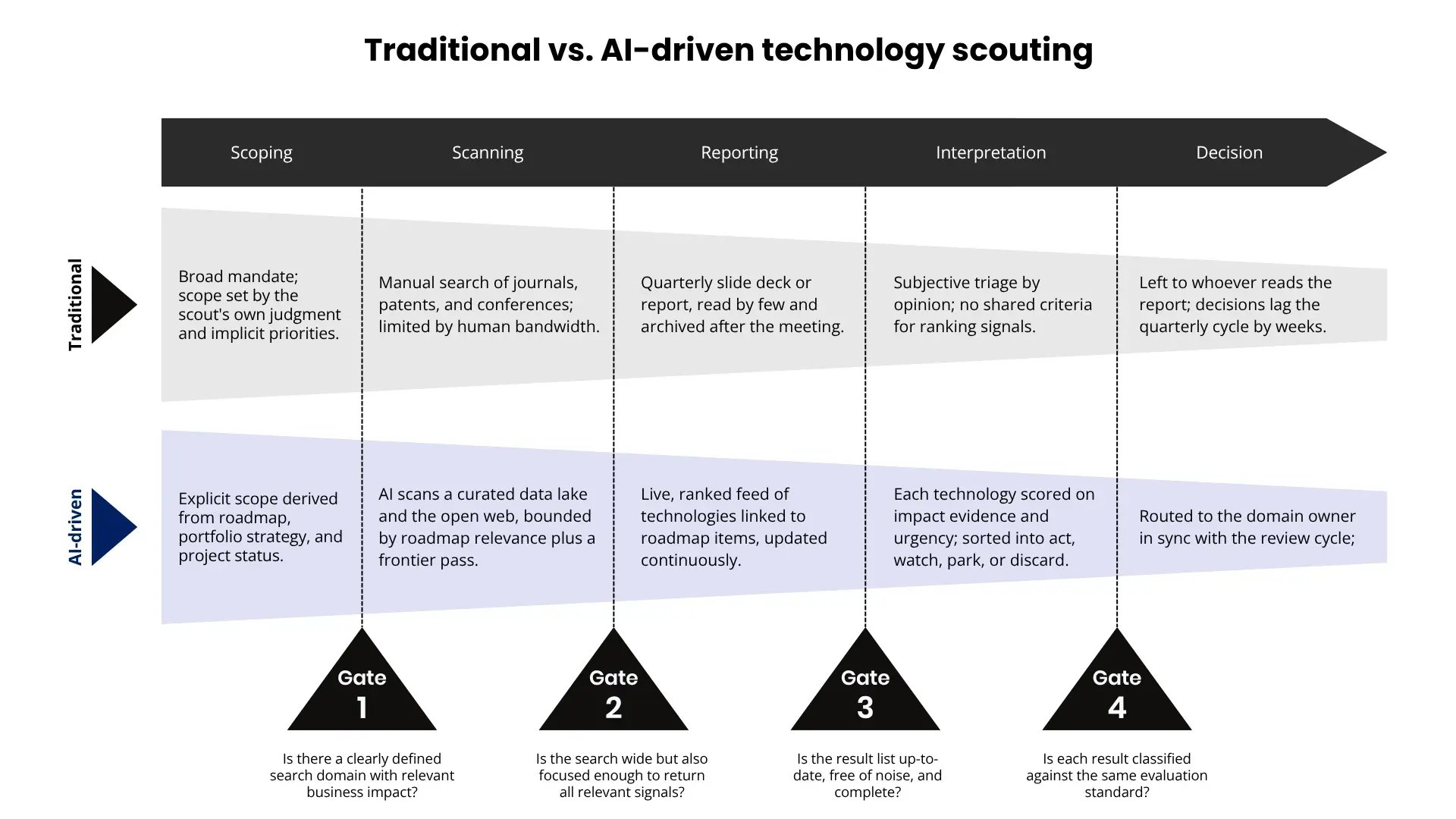
Exhibit 2: Manual technology scouting process vs. AI-driven technology scouting process
Companies across every sector now run this scan. Automotive companies, electronics companies, and life-science companies feed the same engine and pull back technologies ranked against their own objectives. Open innovation programs tap external technologies and cutting-edge technologies that sit far outside the internal roadmap, technologies that competitors already track and technologies no rival has noticed. Innovative companies scan for innovative solutions in every adjacent market, and the engine surfaces technologies from a market they never watched before.
Innovative companies expect the software to surface these technologies from sources across the world. The scan returns thousands of data points on new technologies and emerging trends in minutes, more data points than any analyst could hold in view.
The mechanism changed. The question held steady. Classic scouting asked what exists in a technology landscape worth knowing. AI-powered technology scouting answers faster, across a wider technology landscape and a longer list of external technologies.
Both stop at the answer. Classic scouting filed research reports each quarter for a few leaders to read. AI-powered technology scouting produces a live dashboard, opened by whoever happens to look, rarely the person who owns a roadmap decision. Faster delivery of a disconnected report still yields a disconnected report.
The tech scout role changed with the tools. The job shifted from hunting technologies to judging them, from collection toward interpretation. That shift pays off once the interpretation reaches the innovation portfolio and the people who fund it.
Speed carries real value. New tech moves from preprint to funded startup in months, and automated scanning is the only way to track that pace while preserving institutional knowledge as scouts rotate. Yet pace alone leaves the research and development team guessing whether a technology fills a gap or repeats a funded project.
AI-powered technology scouting fixed discovery. It moved the constraint downstream, from finding technologies to judging what they mean for the roadmap and the innovation portfolio.
Three patterns expose the break, and each one traces back to broken internal processes rather than weak tools. Each pattern shows the same issue, where technologies pile up because the business never tied scouting to its own processes and objectives.
Most AI scouting tools sweep the entire technology landscape by default. Patent codes and startup databases fill the queue with technologies that ignore the roadmap's priorities.
Coverage arrives with no edges. A battery-chemistry scan returns all the market developments this quarter, far past the white space between the three battery projects already funded. Broad coverage relocates the reading problem from a person to a dashboard, past what review resources can absorb.
The fix starts with the right context. A technology scouting process that begins from the roadmap returns fewer technologies and better technologies. A process that begins from the open market returns more technologies and buries the useful ones inside the noise.
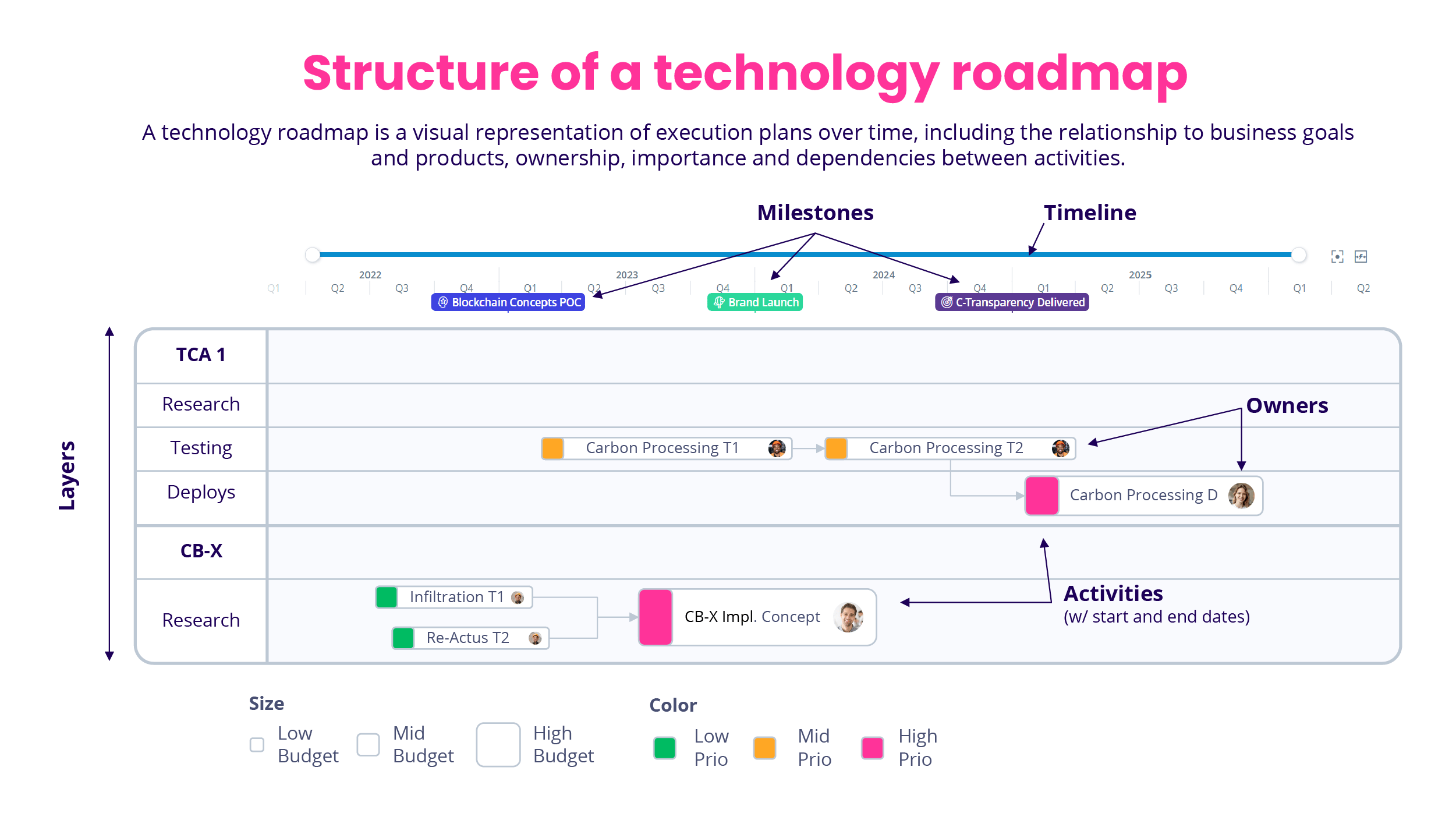
Exhibit 3: Structure of a technology roadmap
Classic scouting produced a short list a person could triage. AI scouting produces one ranked feed, and every technology reads the same regardless of meaning.
A result should sort into strategic fit, time-to-market, and business potential. Most tools rank technologies by relevance and stop there. The critical judgment, which technologies threaten a funded project and which repeat known work, falls back on the reader.
That judgment is where competitive advantage lives. Two companies can scout the identical technologies from the identical sources. The company that classifies each technology against its own portfolio converts the same data into a competitive advantage, while the other files research it cannot use.
AI-powered technology scouting updates daily. Roadmap reviews happen quarterly. A signal strong enough to redirect a project waits up to 11 weeks for an owner to see it.
By then, the competitive landscape has shifted, and a rival may capture the competitive advantage. Sunk costs pile up while a critical signal sits in the queue. Emerging technologies set their own pace, and a feed detached from the review cycle delivers insight too late to act.
Four outcomes turn a scouting result into a decision: fill a white space, size an innovation opportunity, stop a project, or add a technology to live work.
Seven steps make the sorting automatic and give the technology scouting process a repeatable method.
1. Publish the development roadmap as the scouting reference layer in the same tool. Every project, horizon, and objective becomes a central input the AI technology scout reads before it scans the market. Projects, roadmap, and portfolio sit in one system, so the scout starts from the work the business already runs./Still%20images/Roadmap%20Mockups%202025/foresight-set-milestones-and-activities.webp?width=1440&height=900&name=foresight-set-milestones-and-activities.webp)
Exhibit 4: Roadmap inside ITONICS providing context for technology scouting
2. Make the technology domain owner accountable for scouting and roadmap planning. One person owns both the scan and the plan for each domain. The signal and the decision reach the same desk, so the result moves priorities forward rather than waiting in a shared queue.
3. Attach each technology domain context to the scouting. Strategy and roadmap set the master context for every scan, and each project adds its current technology, status, and open questions. Together they define the search, so ITONICS scouts the curated data lake and the web for technologies that affect this roadmap rather than the whole market.
4. Classify every result by impact evidence and urgency to act. Score each technology on the strength of evidence that it affects the roadmap and on how fast the owner must respond. The two scores place each technology in one of the four buckets and rank it against the rest.
5. Synchronize scouting results and roadmap decision cycles. Feed results into the roadmap review on its own schedule. When your roadmap moves quarterly, you need to establish another escalation path to share results while the window of opportunity stays open.
6. Score competing technologies on the same gate criteria. When a scouted technology rivals a funded project, judge both on the project's original criteria. A challenger earns a place only by beating the incumbent on identical measures.
7. Look beyond prioritized technology domains to identify growth opportunities. Run a broad pass outside the tagged domains once each cycle. Technologies that open new white space route to strategy as candidate growth bets, ahead of any project ready to hold them.
The scan may surface fifty technologies in a week. The classification step sorts those technologies into four buckets; the domain owner receives the surviving technologies, and the unmapped technologies feed a strategy review.
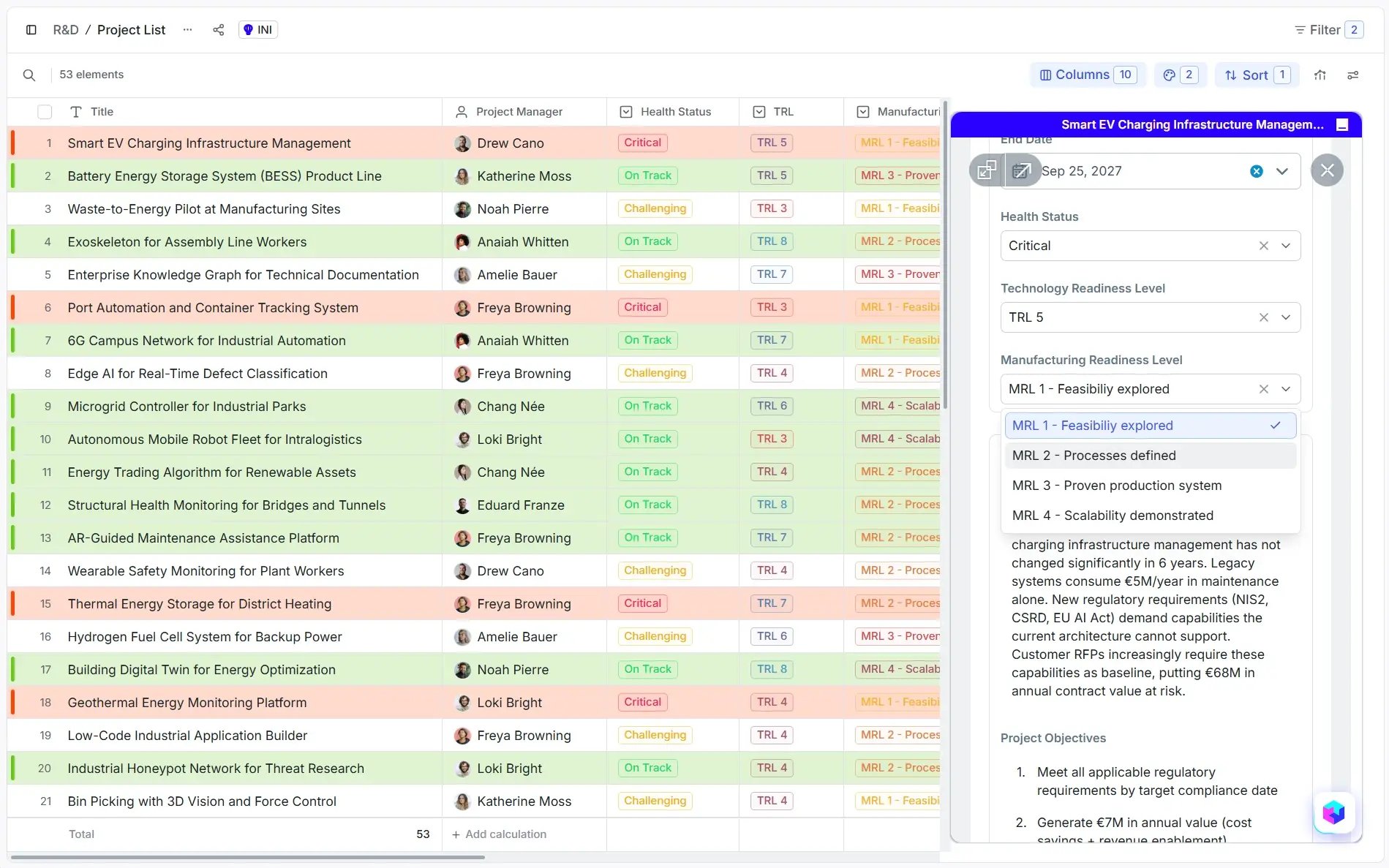
Exhibit 5: ITONICS Prism scouts for technologies and evaluates technology readiness levels
A technology outside every current roadmap item points to a white space the development roadmap lacks. Route it to a strategy review to decide where to invest, and track progress toward a new bucket.
This method changes how your organization works:
The organization stops treating technologies as a research feed and starts treating them as open innovation portfolio inputs.
Each technology carries an owner, a decision, and a place in the plan.
Research teams identify which technologies fill a gap, the organization funds them, and market intelligence flows into the innovation portfolio instead of a slide.
This approach turns a feed into a handful of decisions. A team scanning five roadmap gaps a quarter reviews five targeted technologies and helps the business achieve each objective faster. The connection carries work from discovery toward commercialization, enabling owners to move without a stall.
Three ITONICS customers run this connection at different levels of the organization.
Dolby's Futures Council uses ITONICS to input, rate, and discuss foresight data. Stakeholders from across the company anchor foresight in the wider innovation agenda.
Dolby separates hype-cycle churn from the strategic vectors underneath it. The platform gives the team one space to share signals and weigh their impact, above the noise of passing emerging trends. That is the unmapped-signal step in practice: identify the vector, set aside the fad.
.webp?width=1190&height=693&name=Dolby-Foresight-Process%20(1).webp)
Exhibit 6: Dolby strategic planning process
Sartorius Corporate Research runs technology scouting for the biopharmaceutical field on one connected system. Trends, technologies, and projects sit together, giving 60 members a shared view and speeding knowledge sharing across the innovation pipeline.
The department surfaced 450 collaboration opportunities through that link, alongside new startup partnerships. Each opportunity ties a scouted technology to a named project or a proposed one, backed by tracked discussion across time zones. Structured collaboration replaced the spreadsheets that once held the most valuable ideas apart, and the team now judges technologies against funded projects on one screen.
The result is the fill-and-add outcomes at work. A trend surfaces, a technology attaches to it, and a project absorbs the finding as new ideas enter the pipeline. Sixty people share one dataset instead of sixty readings of the same market, and knowledge compounds across the group.
The Dräxlmaier Group centralized innovation management and pre-development workflows on ITONICS. The innovation management department cut manual project reporting effort by 70% and saved hundreds of hours a year through automated workflows.
The gain came from connecting scouting to the processes that follow it. Technologies and ideas move through defined processes toward development, so the team spends its time on judgment rather than administration. Automated processes carry each technology from capture toward a funded decision. Technologies flow through the same processes every quarter, and the team reviews them instead of chasing them.
Most technology scouting software automates faster discovery across a wider landscape. Discovery is the commodity. Judge the software on what happens after a technology lands, and on whether it holds at enterprise scale.
Toyota Motor Europe ran that evaluation. Toyota tested 40 innovation systems across teams before selecting ITONICS as the platform that best fit a top-level standard. Companies of that size test many systems before they commit.
The company now assesses trends, technologies, companies, and competitors in one place, and runs pitches where experts evaluate R&D proposals. More than 500 Toyota members across Europe work on 200-plus R&D projects in the system today. The evaluation built the business case that other companies now copy, testing the same technologies.
Ask vendors to demonstrate four capabilities before you buy:
A dashboard view sits above those four. Leadership needs one screen that ranks new technologies against funded projects, so the organization compares a fresh opportunity with the work it would displace. That view turns scattered scouting into portfolio decisions.
Enterprise buyers also weigh the cost of fragmented processes, since duplicate scouting across units raises costs and slows every business decision, so buyers reward solutions that consolidate the innovation process.
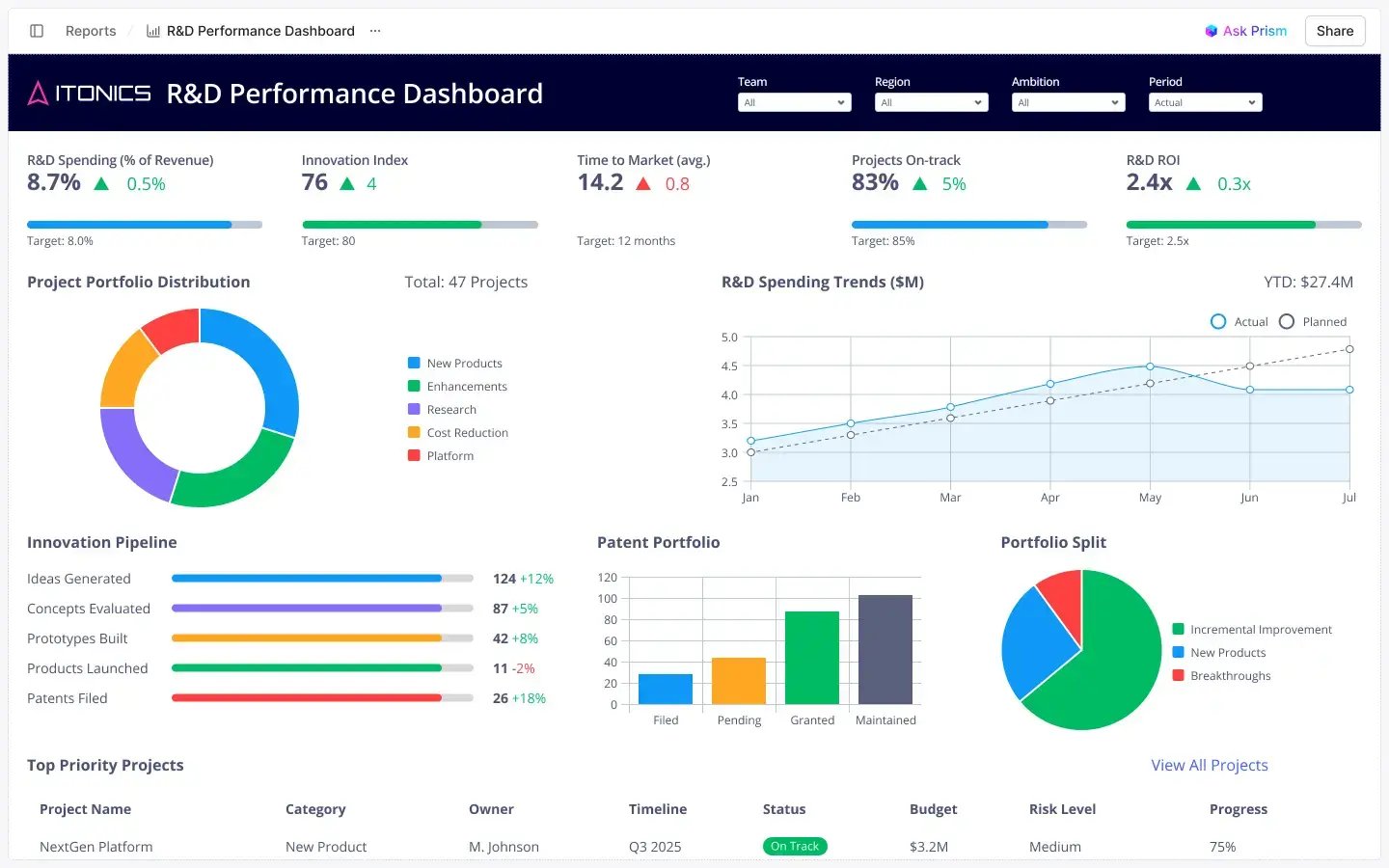
Exhibit 7: R&D performance dashboard inside ITONICS
Point solutions cover discovery alone. Enterprise solutions connect discovery to the innovation portfolio, so the organization decides which technologies to fund.
The best solutions let research teams identify high-value technologies, route them through governance processes, and create one view of every competing technology. Companies that buy discovery-only solutions keep adding tools while their internal processes stay fragmented.
Enterprise buyers carry extra requirements:
Security and compliance gate every purchase in regulated industries.
Integration through open APIs decides whether an enterprise platform fits the existing stack.
Leadership wants dashboards that deliver clarity from the raw feed and turn data into insights.
Large enterprises meet the sharpest version of these challenges. Dozens of units scout in parallel, and duplicated effort drains resources fast. A central platform gives leadership one view and turns scattered processes into a repeatable enterprise method, moving ideas from discovery to commercialization.
Research and innovation leaders across the organization struggle to identify which unit already tests a given technology, so the same technologies get scouted twice, and processes duplicate across units.
Smaller research teams weigh a different set of challenges. Limited resources rule out a full evaluation desk, so the classification step has to run inside the software. The right capabilities let a lean team achieve enterprise-grade coverage and create real value from every scan.
For example, one analyst can cover a technology scouting field that once needed a department. The right capabilities create leverage across every scan, so a small team judges more technologies with fewer people, routes those technologies to the right owner, and reviews the technologies that matter most first.
ITONICS runs its AI-powered technology scouting through Prism. Prism scouts signals, trends, technologies, and startups from the web and a curated data lake of 50 million signals. It is also connected to lens.org. The Lens ingests, cleans, aggregates, and serves over 272+ million scholarly works, 155+ million global patent records, and more than 495+ million patent sequences, which can be sourced from within ITONICS.
/Still%20images/Radar%20Mockups%202025/capabilities-ai-and-automation-optimize-the-innovation-portfolio.webp?width=1440&height=900&name=capabilities-ai-and-automation-optimize-the-innovation-portfolio.webp)
Exhibit 8: ITONICS Prism creates context-specific technology radars in minutes
The roadmap tool holds the other half. It carries strategic plans and operational tasks together, so milestones and ownership stay visible across the organization. A tagged roadmap item becomes the reference layer Prism scans against, enabling scouting that starts from the plan.
Prism's review function does the classification work. It reviews the innovation portfolio and answers what to stop, scale, or start, which maps onto fill, stop, and add. Prism scores technologies against the innovation portfolio and hands each technology to the team that owns the matching project, so the innovation team acts inside days rather than months.
This is what a connected innovation process looks like in practice. Open innovation and internal research feed one innovation record for every technology, and open innovation programs across business units rely on one shared feed that saves resources. Research teams stop sorting technologies by hand, and the organization measures progress from discovery to funded innovation on one system.
Companies across many industries run this loop from foresight to funded delivery. Dolby anchors it at the strategy level, Sartorius runs it into product development, and Dräxlmaier ties it to pre-development processes. AI-powered technology scouting earns its budget once it reaches an owner with a decision to make, and ITONICS builds that link into the platform.