Why and how to use a technology radar


Cisco's technology radar is driven by 150+ scouts worldwide, tracking 200+ technologies. Every quarter, the results feed straight into investment decisions. That's the difference between a decision-enhancing tool and a nice representation.
Most technology radars never make that jump. A team builds one, populates it with trends and technologies, and shows it off at a strategy offsite. Then the next funding meeting runs on the same gut feel as before. Nobody owns the follow-through, so the radar sits untouched until the next refresh.
A technology radar earns its budget the day it forces a fund, stop, or scale call on a specific segment. This article covers the structure of a technology radar, how to rate what goes on it, and how to wire it into the decisions that allocate money.
A technology radar is a visual tool that helps organizations identify, monitor, and prioritize emerging technologies. It organizes technologies into categories based on their relevance, urgency, and potential impact, often displayed in concentric circles or zones, allowing for the analysis and navigation of individual technologies.
This format makes it easy to see which technologies are closer to becoming actionable and which are still in the exploratory phase. It combines data, expert insights, and foresight to provide clarity in a rapidly changing world.
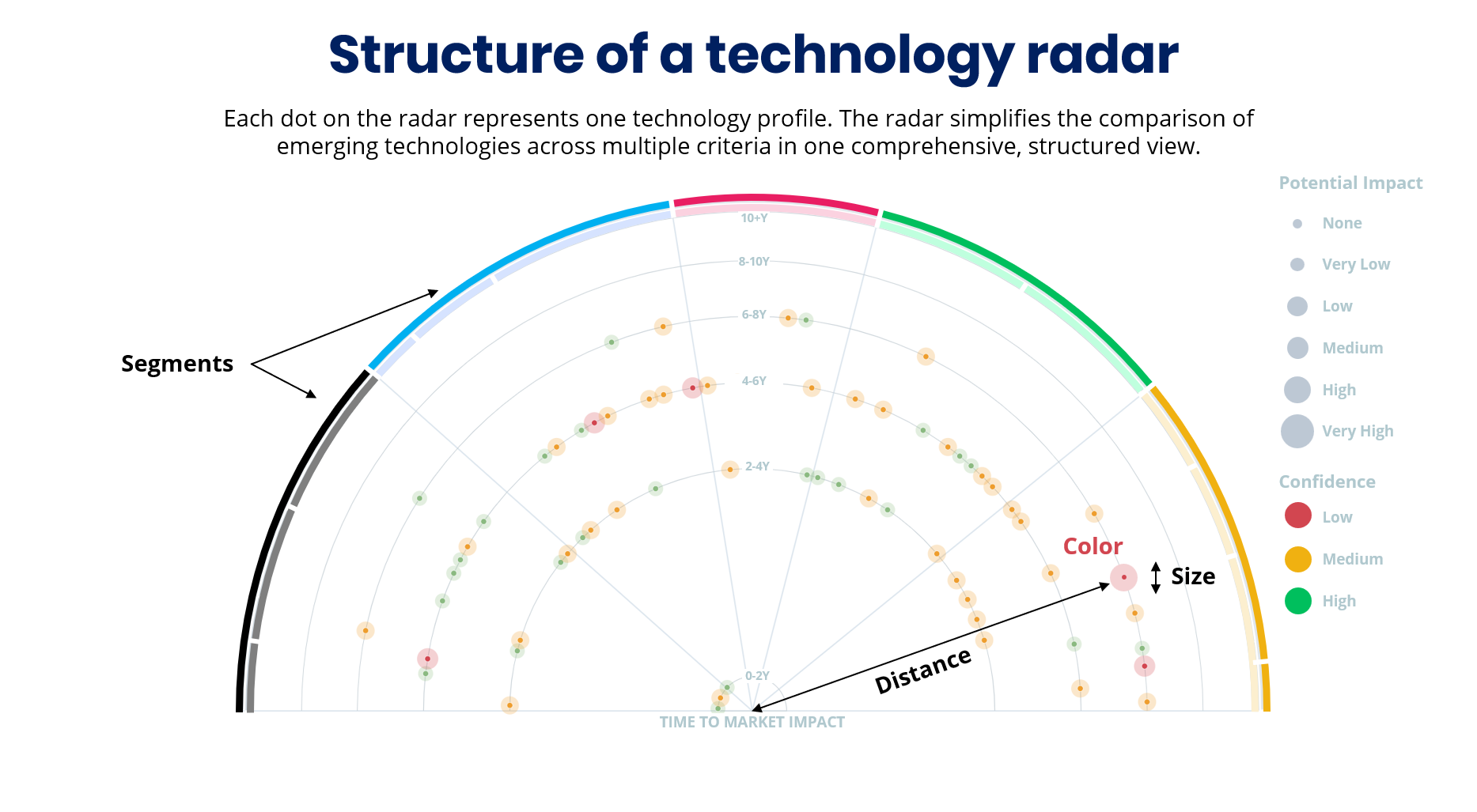
Exhibit 1: The structure of a technology radar
Regularly maintaining a technological radar is crucial to accurately reflect the evolving tech landscape, enabling informed decision-making regarding technology adoption and management.
For innovation professionals, a technology radar is essential for tracking shifts in software, hardware, and digital capabilities. Whether for R&D management or accelerating time-to-market, it ensures businesses stay ahead of the curve by highlighting future opportunities and challenges.
Companies need a tech radar to stay competitive in an ever-changing market. It helps identify emerging opportunities and risks early, allowing businesses to adapt and innovate proactively.
Investing in new technologies at the right time can give businesses a competitive advantage, ensuring they stay ahead of the curve.
By organizing technologies based on reach, impact, confidence, and effort (cf. RICE prioritization framework), a technology radar allows teams to focus on what matters most. It supports better decision-making, ensures alignment with long-term goals, and reduces the risk of being blindsided by disruptive forces.
For innovation professionals, a tech radar fosters collaboration, streamlines technology scouting, and provides a clear framework for strategic planning. It’s an indispensable tool for building a future-ready organization that aligns with the goals of the entire business.
Having your own technology radar offers numerous benefits for organizations and individuals alike.
By creating a personalized technology radar, you can stay ahead of your priorities and business-specific interests. This proactive approach allows you to make informed decisions about technology investments and adoption, ensuring that your strategies are aligned with both business and IT goals.
A well-crafted technology radar helps balance risk versus adoption, enabling you to prioritize technologies that offer the most significant potential impact. It enhances collaboration and communication among stakeholders, fostering a unified vision of the future. By identifying areas for innovation and growth, your organization can develop a competitive edge in the market.
Leveraging a technology radar allows you to establish technology leadership. Providing insights into new developments and emerging technologies will make you an attractive partner for other co-innovating companies. Plus, your customers will love your expression of expertise.
Three failure patterns account for most dead radars.
A radar can hold hundreds of rated dots and change nothing if nobody is accountable for acting on them. A red dot at the center gets seen, discussed, and filed away. The next quarterly review starts from zero because the person who spotted the signal was never the person responsible for doing anything about it.
The fix: one named owner per segment, not one owner for the whole radar. Cisco distributes ownership across 150+ scouts, each covering a domain. The owner's job is not to maintain a list. It is to bring a fund, stop, or scale recommendation to the next review for anything in their segment that crosses the urgency threshold.
Radar reviews and portfolio reviews run as separate meetings, often months apart. A technology surfaces on the radar with no formal path into the stage-gate process that allocates budget. By the time it reaches a funding conversation, the signal is stale or its champion has moved on.
The fix: define the threshold that triggers escalation before you build the radar. A workable default: any technology scoring 4 or 5 on both business potential and strategic fit goes on the agenda of the next portfolio review as a named line item, with its segment owner presenting. Write the rule down. A threshold nobody agreed on in advance becomes a debate every quarter.
The EliaGroup publishes radar results every quarter, timed to its investment reviews. Many companies refresh annually while budgets move quarterly. A radar reviewed once a year cannot inform a decision made four times a year.
The fix: set the radar review two weeks before the portfolio review, every quarter. Two weeks give owners time to prepare recommendations and give leadership time to read them. Same-week scheduling produces a radar readout nobody has processed. Between those events, segment owners monitor their own technologies rather than waiting for the calendar.
A tech radar organizes information visually to make technologies easy to analyze and prioritize. Its structure includes several key components:
Segments: These divide the radar into categories, such as infrastructure, frameworks, tools, and programming languages. Segments help cluster and focus attention on specific areas of interest. Various techniques used in software development are also categorized within the radar, providing crucial insights for assessing and adopting technological tools effectively.
Distance to the Center: Technologies closer to the center are more urgent or impactful, while those farther away are less immediate but still worth monitoring.
Color: Colors represent the status or type of technology, such as emerging (green), maturing (yellow), or declining (red).
Size: The size of each technology indicates its potential impact or importance, with larger technologies requiring greater attention.
This structure ensures clarity, helping teams align insights with strategy.
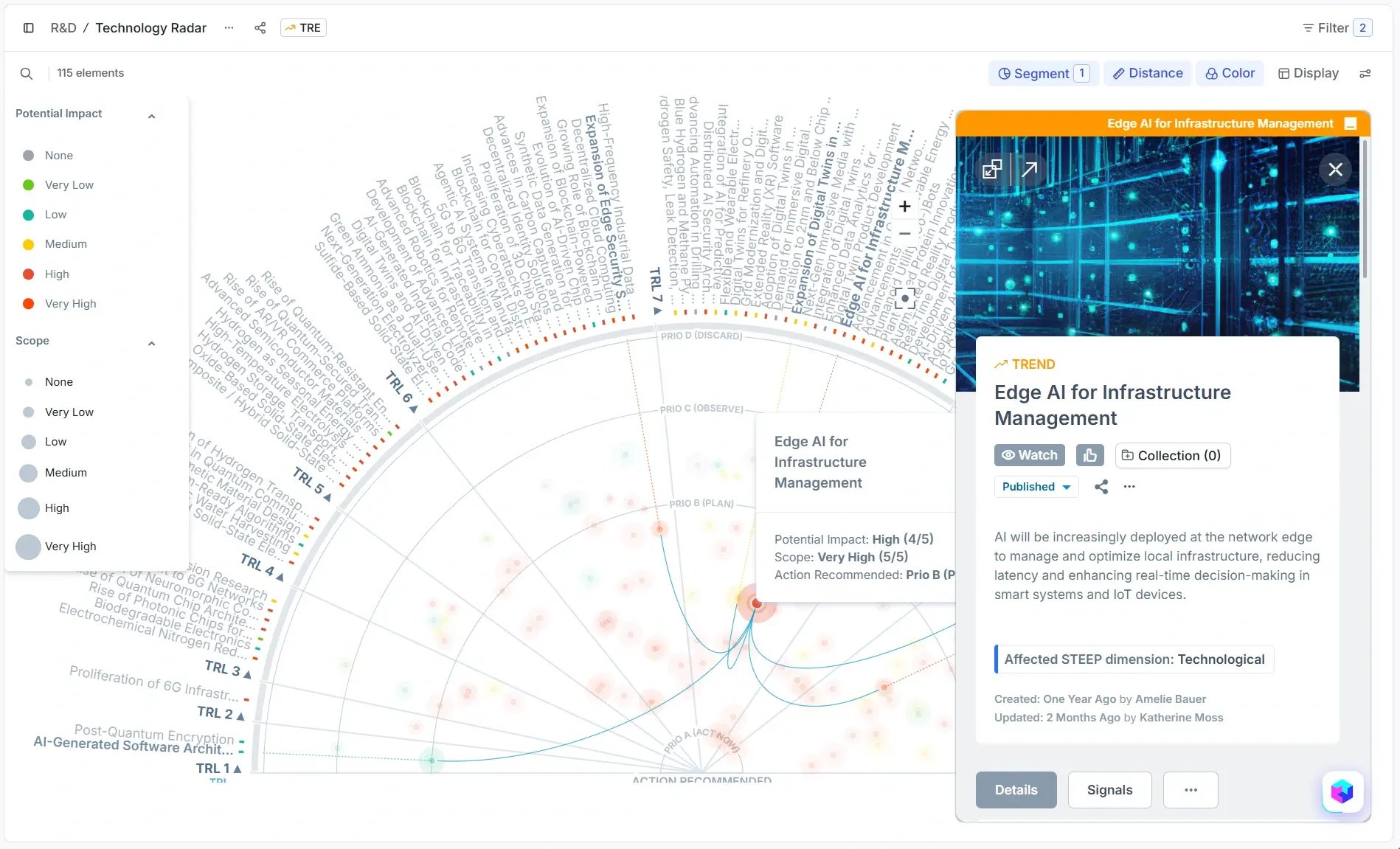
Exhibit 2: A technology radar inside ITONICS
Emerging technologies are innovations that are in the early stages of development but have the potential to significantly impact industries, economies, and society. These technologies, such as artificial intelligence, quantum computing, blockchain, biotechnology, and renewable energy solution, drive digital transformation, enhance efficiency, and create new business opportunities.
Considering emerging technologies is crucial for organizations to stay competitive and future-proof their strategies. They enable businesses to optimize processes, improve customer experiences, and unlock new revenue streams. Early adoption provides a competitive edge, while failure to monitor these advancements can lead to missed opportunities or industry disruptions.
Additionally, emerging technologies shape regulatory landscapes, consumer expectations, and market dynamics. Companies that integrate these innovations proactively can lead in their fields, influence industry standards, and navigate technological shifts with confidence. By leveraging technology radars and foresight tools, businesses can track, evaluate, and implement emerging trends effectively, ensuring long-term growth and resilience in an evolving landscape.
The latest technologies to track depend on your industry and strategic goals but typically include advancements in segments like artificial intelligence, cloud computing, cybersecurity, automation, and emerging software architectures. Technologies that impact innovation, sustainability, digitalization, and customer engagement are especially important.
A good technology radar balances global megatrends, such as AI-driven automation or quantum computing, with emerging signals like federated learning or decentralized identity solutions. It’s also important to track cross-industry technologies that could create opportunities or disruptions.
Consider technologies that align with your organization’s focus, have high potential impact, or are gaining momentum in your sector, ensuring your radar remains actionable and future-focused.
Rating technologies involves evaluating their maturity, confidence, adoption readiness, and other criteria.
Here are some steps to follow:
Evaluate the technology’s business value and maturity: Assess how the technology aligns with your business goals and its level of maturity. Consider factors such as market adoption, proven use cases, and vendor support.
Assess the technology’s adoption readiness and confidence: Determine the readiness of the technology for adoption within your organization. Evaluate the confidence level based on past performance, reliability, and scalability.
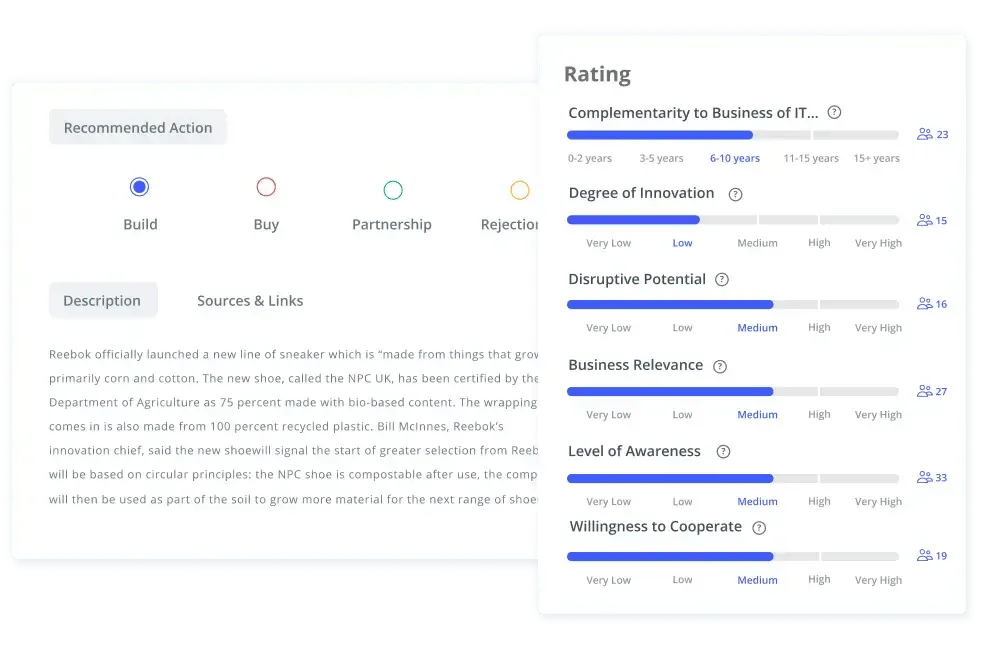
Consider the technology’s potential impact on your organization: Analyze the potential impact of the technology on your operations, processes, and competitive position. Consider both short-term benefits and long-term strategic value.
Review and update your ratings regularly: Regularly review and update your ratings to reflect changes in the technology landscape and new insights. This ensures that your ratings remain relevant and actionable.

By rating technologies, you can prioritize your efforts and make informed decisions about technology adoption, ensuring that your organization stays ahead in the ever-evolving technology landscape.
Start by clearly defining the focus of your technology radar. Identify the specific areas you want to explore, such as software development, cybersecurity, or digital transformation, and align these with your strategic goals. Determine the time horizon you’re considering (short-term, mid-term, or long-term) and the audience for your radar, whether internal teams or external stakeholders.
Having a tailored technology portfolio strategy is crucial to ensure that your technology investments are optimized and aligned with your strategic goals.
A clear scope ensures your radar remains actionable and relevant, helping you prioritize technologies that matter most to your business. It also prevents information overload, focusing attention on opportunities and challenges that directly impact your organization’s innovation and growth strategy, preparing you for the future today.
Gather insights from diverse, credible sources to build a comprehensive radar that adapts to market changes. Use tools like industry reports, market research, and news analysis to identify global and regional technological trends. Leverage input from internal teams, expert panels, or foresight communities for unique perspectives.
Engineering teams play a crucial role in utilizing the Tech Radar tool, actively participating, sharing knowledge, and engaging in discussions about technology decisions to ensure the continuous evolution of the technology landscape.
AI-driven technology scouting tools have emerged as a fast, reliable alternative to scanning hundreds of documents. Tools like ITONICS Prism scout in real-time new publications, analyze the technology readiness levels and fuel your technology radar based on those insights.
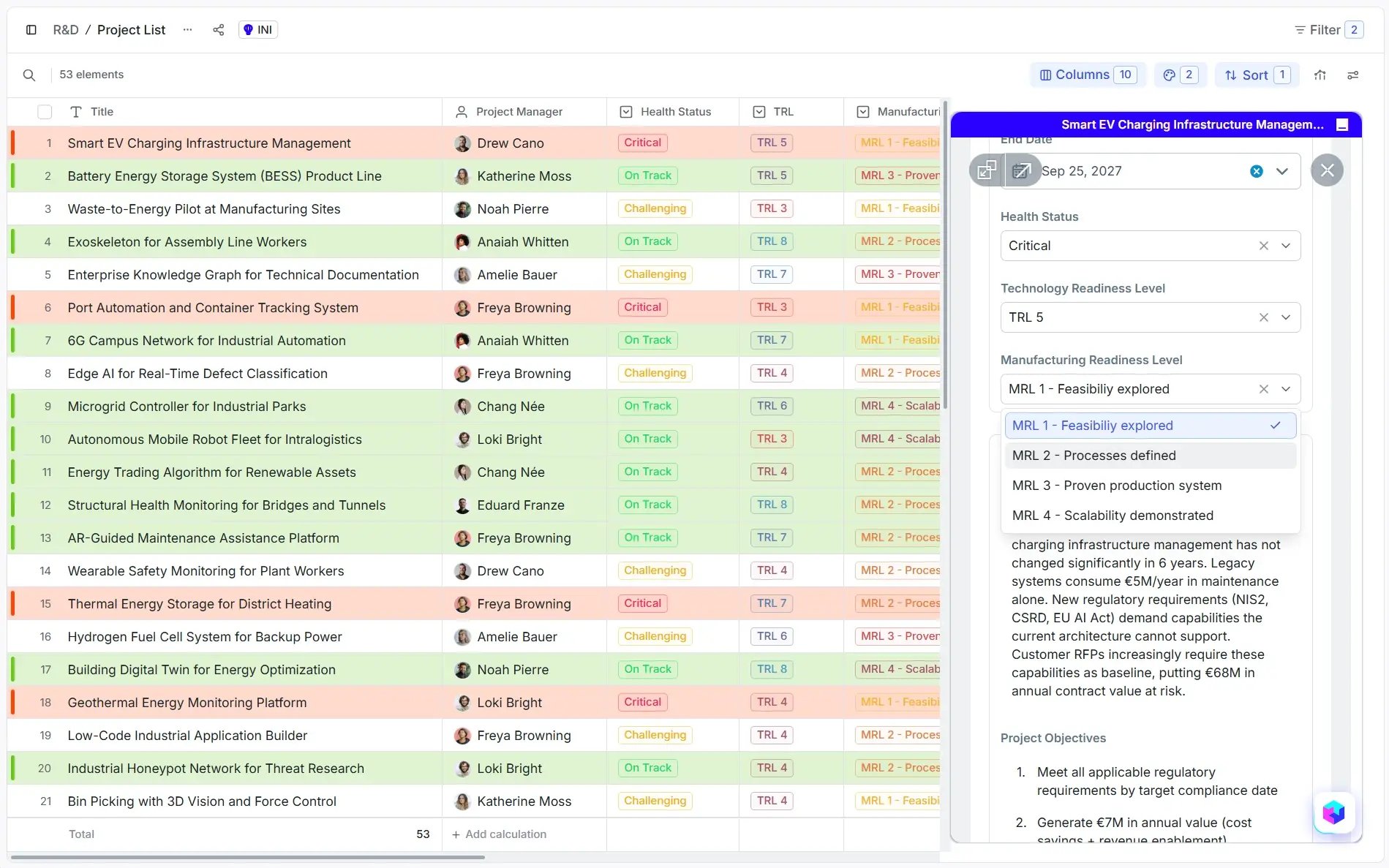
Exhibit 3: ITONICS Prism evaluating TRLs of emerging technologies
Establish clear criteria to evaluate technologies, such as their potential impact, relevance to your organization, and time to maturity. Use these criteria for prioritizing technologies and categorizing them into actionable groups.
Arrange technologies on your radar based on urgency (distance from the center) and type (segments like software, hardware, or security). Use color and size to visually represent technology status and impact, making it easier to understand at a glance.
This structured approach ensures your radar is intuitive, helping decision-makers quickly grasp the most critical insights and align them with business strategy.
A tech radar is most effective when shared with those who can act on its insights. Tailor the presentation to your audience, whether it’s leadership, innovation teams, or external partners. Use clear visuals and concise explanations to make technologies understandable and actionable.
Encourage discussions around the radar to align stakeholders, prioritize initiatives, and explore opportunities. A collaborative approach ensures the radar doesn’t just inform but actively drives strategic decisions, fostering innovation and forward-thinking within your organization. If you are interested in personalized advice, seek tailored guidance on your technology portfolio strategy.
A technology radar requires continuous monitoring to evolve with the environment. Establish a routine for monitoring and adding new technologies, revisiting existing ones, and removing outdated or irrelevant items.
Schedule regular updates (monthly, quarterly, or annually) depending on your industry’s pace of change. Engage your team in the process to incorporate fresh insights and ensure alignment with evolving priorities.
By maintaining an up-to-date radar, you’ll stay ahead of emerging opportunities and threats, keeping your organization agile and ready to adapt to the future. A dynamic radar is key to effective technology management.
Here are examples of tech radars used by different companies for technology planning, scouting, and monitoring.
Technology is transforming every aspect of human life. By employing the Tech Radar to monitor and evaluate emerging technologies, the Elia Group can identify the most impactful ones that demand our immediate attention today.
/Still%20images/External%20Webpage%20Mockups%202025/External-L-Embed-and-share.webp?width=1125&height=703&name=External-L-Embed-and-share.webp)
Exhibit 4: The interactive Elia Group technology radar online
The PCSI Security Radar provides an overview of the trends that the PCSI partners have indicated as the ones with the highest impact (either from a risk or opportunity perspective) on their cybersecurity posture.
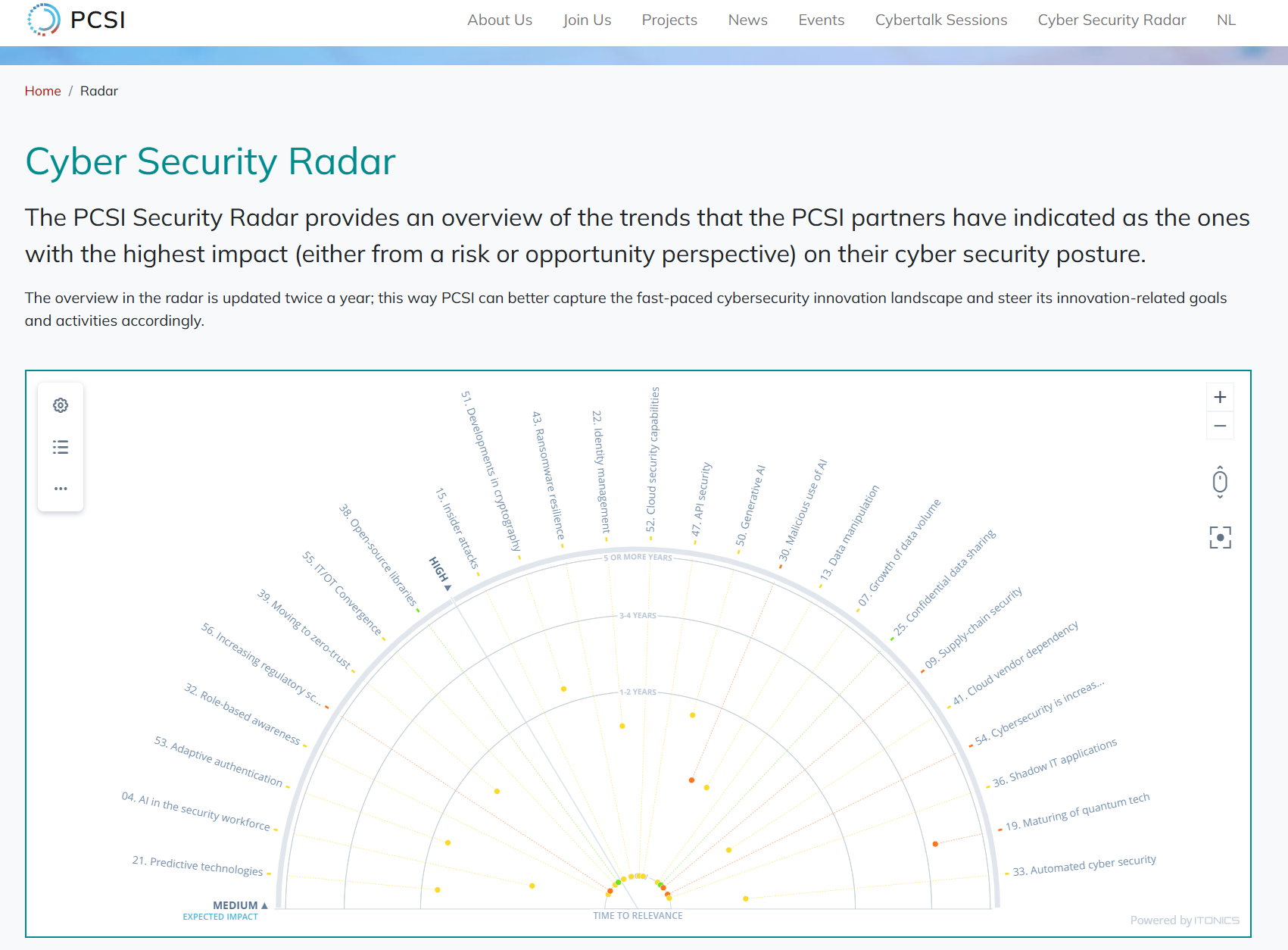
Exhibit 5: Interactive PCSI security radar online.
ITONICS supports Merz in scouting new technologies and products for its pipeline.
The huge amounts of data generated in this process are easily discoverable for the colleagues on the tech radar and can be supplemented and evaluated together.
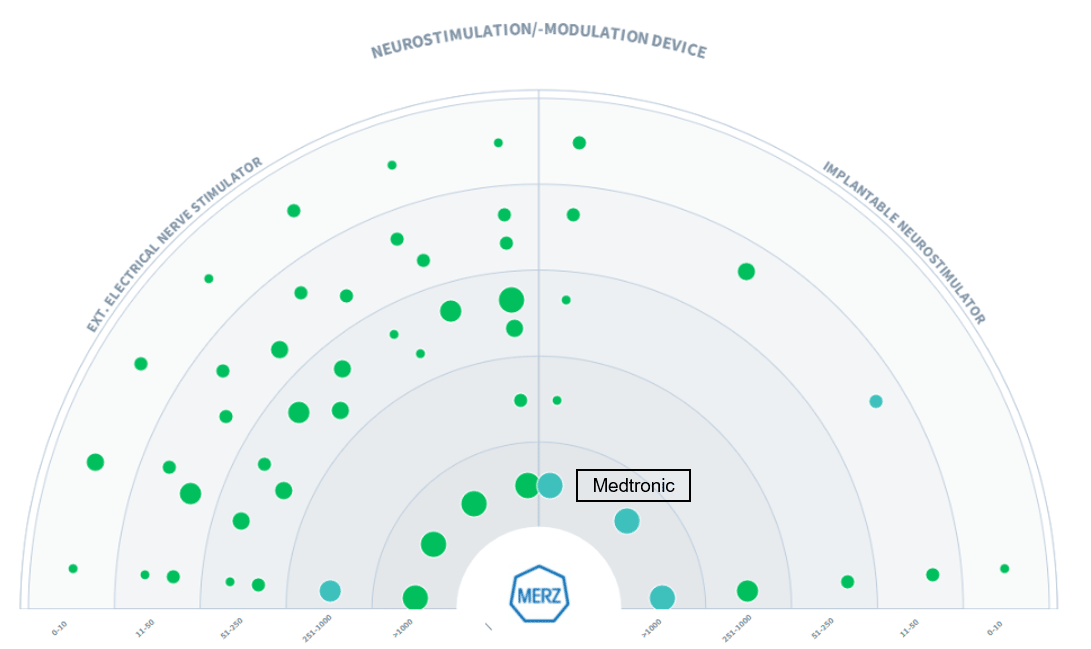
Exhibit 6: Merz technology radar
With the technology radar, Cisco found a solution to effectively and efficiently manage novel technologies to maintain and enhance its competitive position.
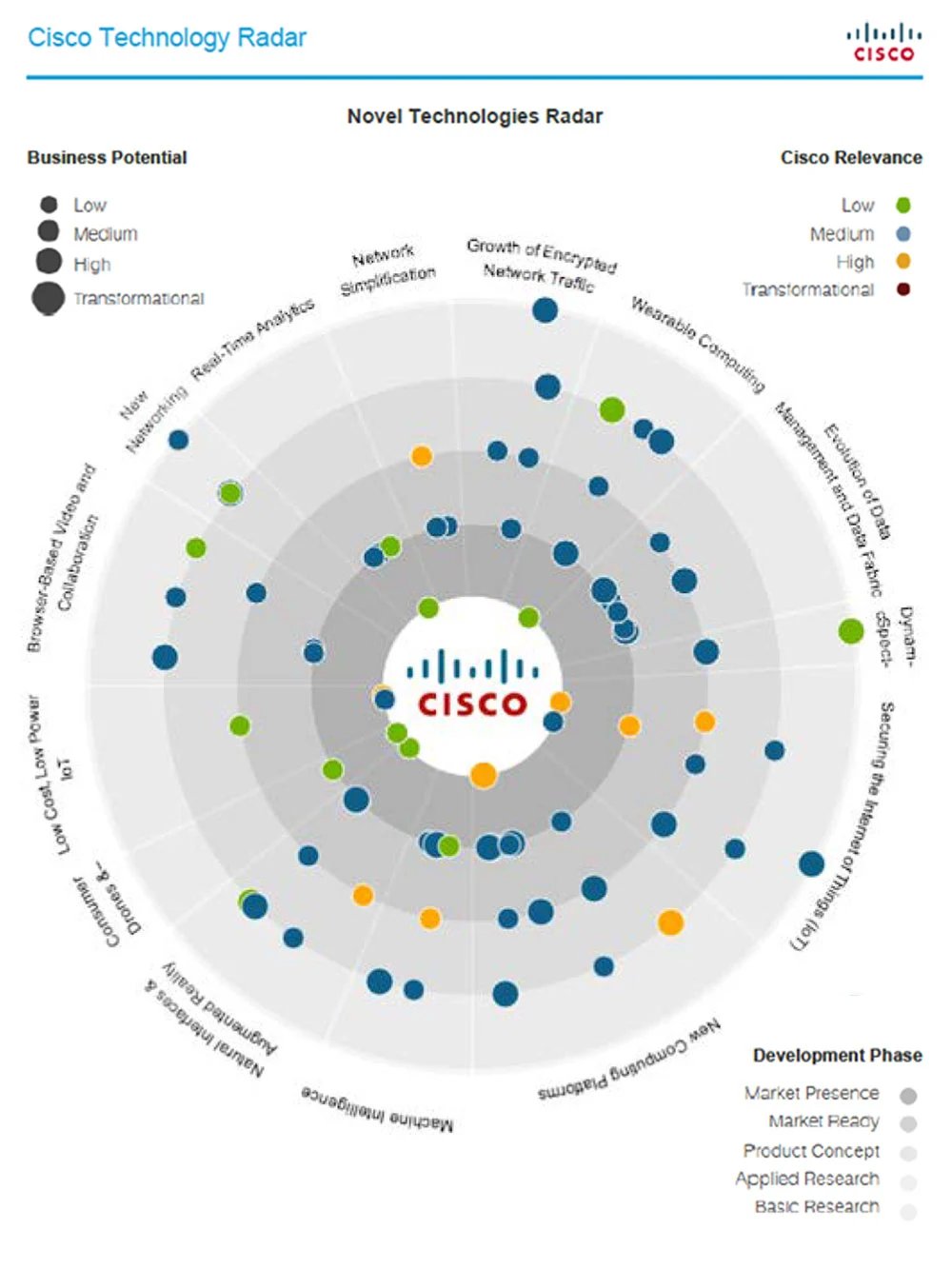
Exhibit 7: How Cisco does technology management
Build speed was never the bottleneck. ITONICS Prism generates a custom radar in seconds from a prompt describing your industry and context. What takes a week is the governance.
Not for the first one. A radar of 40 technologies rated by six engineers runs fine in a spreadsheet plus a drawn visual. Build it that way if you are still proving the concept internally. The cost of the wrong tools early is that you spend three months in procurement instead of three days rating technologies.
Four conditions tell you when a spreadsheet stops working:
Most R&D organizations hit condition four first. That is the point at which the radar has to connect to the systems where funding decisions actually happen, and where dedicated software earns its cost.
ITONICS provides you with a modular infrastructure for technology scouting and investment decisions. You can build technology radars based on a specific context and filled with all relevant information in minutes.
/Still%20images/Radar%20Mockups%202025/capabilities-ai-and-automation-optimize-the-innovation-portfolio.webp?width=1440&height=900&name=capabilities-ai-and-automation-optimize-the-innovation-portfolio.webp)
Exhibit 8: ITONICS Prism creates context-specific technology radars in minutes
Map your tech landscape in one view: Collect all relevant technology information to support investment decisions. Track TRLs, business potential, know-how, or your custom criteria. Modify the technology view to highlight what is important and share it with your team to spur action.
Communicate a shared vision of the future: Understand novel technologies and industry shifts to gain a competitive edge. Incorporate the radar into your presentations to get buy-in, add it to your intranet to engage employees, or embed it on a webpage to attract partners.
Make technology scouting less chaotic: Assign rights and roles to allow each tech scout to own a piece of the radar. Enable different departments and external experts to work collaboratively and shape the technology strategy of your company.