Strategic goal setting: Overcoming the mission and vision fallacy


Most organizations treat strategic goal setting as a communication activity. Leadership sets targets to back a compelling vision. That is exactly where goals lose their relevance — they reflect what the organization wants to be, not what it can realistically achieve.
The result: strategic goals that sound bold but deliver nothing. Teams cannot translate them into daily work. Strategy execution stalls. Bonuses get cut. Leadership credibility erodes.
This article explains why starting from a long-term vision is the wrong approach to formulating strategic goals. It introduces the Reverse Strategy Map: a bottom-up, evidence-based framework for setting strategic goals grounded in what the business can realistically achieve and influencing business environment factors.
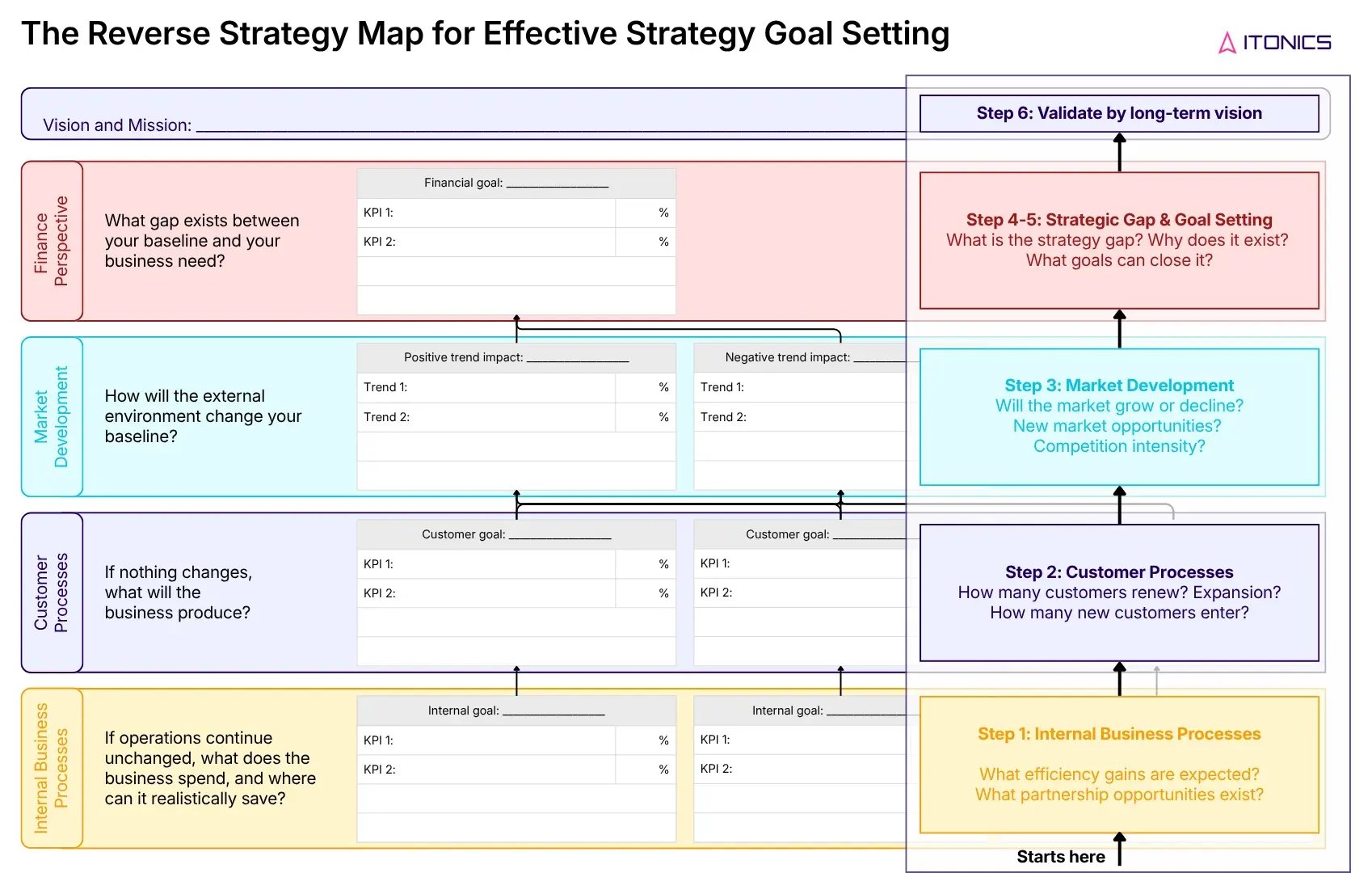
Exhibit 1: The Reverse Strategy Map for Effective Strategy Goal Setting (download template here)
Setting strategic goals this way connects strategic and operational goals to measurable outcomes from day one. It gives everyone a forward-focused direction and makes strategy execution accountable.
Most companies recognize poor strategic goal setting only after it has already cost them. The warning signs appear earlier. Here is what to look for.
Ask ten employees to name the top three strategic goals of their organization. Fewer than two will give consistent answers.
This is not a SWOT analysis or communication problem. It is a goal quality problem. Vague strategic goals cannot be remembered because they contain no concrete information.
"Become the leading provider in our market" tells no one what to do on Monday. Strategic goals must translate directly into operational goals. When they do not, an organization's goals fragment across departments.
The fix starts with the structured approach used to formulate and align goals.
Set strategic goals with enough specificity that they survive translation from leadership to business unit heads to project teams without losing meaning. If a goal cannot be converted into a measurable action directly, rewrite it.
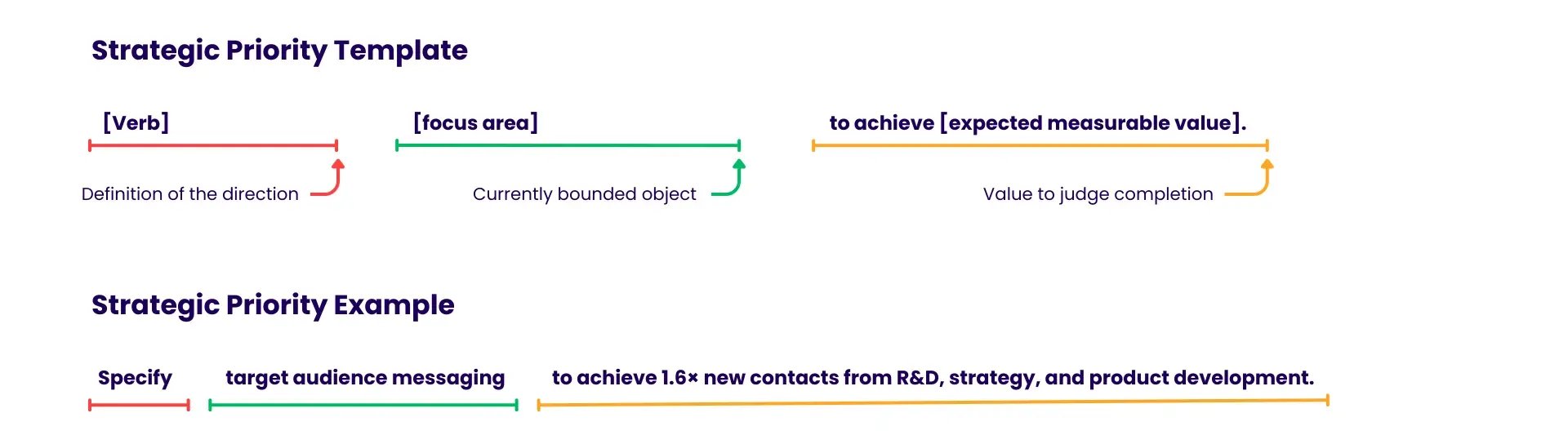
Exhibit 2: How to formulate a strategic priority
A strategic objective like "increase market share by 10%" sounds measurable. Without a defined path from business strategy to strategic plans, it is just a number.
Teams need more than a target. They need to understand what to do differently: what customer segments to prioritize, which products to invest in, and which operational levers to pull.
The strategic planning process fails when it stops at the objective and skips the pathway. Before finalizing any strategic objective, require each department leader to submit a draft roadmap.
If department leaders struggle to produce the strategic plan, the strategic objective is not specific enough to execute against.
When bonuses are cut year after year, the company's strategy is never grounded in reality. Goals built on aspiration set expectations that the organization cannot meet. The problem is not strategic management or the organization's strengths. The problem is how you create strategic goals in the first place.
Track the ratio of completed objectives to total objectives set over a rolling 12-month period. A completion rate below 60% means the goal-setting process needs redesign, not the execution teams.
Most companies claim to have SMART goals. Specific. Measurable. Achievable. Relevant. Time-bound. The format is correct. The numbers are wrong.
SMART is a formatting improvement, not a diagnostic tool. "Increase revenue by 20% in 12 months" is specific and measurable. It is also meaningless if the revenue baseline shows the business can realistically grow 8% without any new initiatives.
When strategic goals are derived from a vision or mission statement rather than market evidence, SMART formatting just makes the aspiration look rigorous. Teams pursue well-formatted operational goals that were never grounded in business strategy.
They fail — and cannot explain why, because the goal looked right on paper.
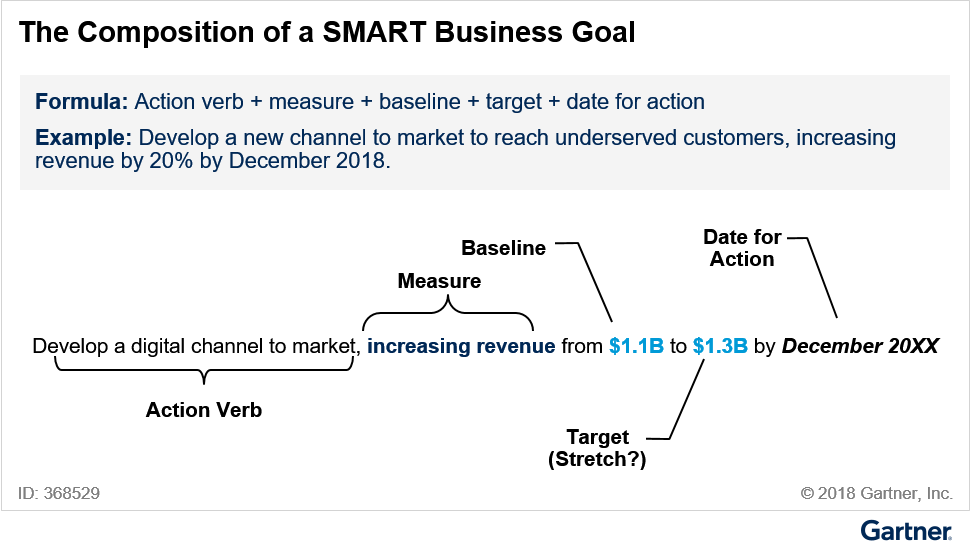
Exhibit 3: The composition of a SMART business goal by Gartner
A company's values, vision, and mission serve a purpose. That purpose is identity, not goal discovery. Using them as the starting point for strategic goal-setting results in predictable, costly failures.
A vision describes a desired long-term outcome. It does not describe what the market demands right now.
When organizations begin setting strategic goals from a vision statement, they build action plans toward an internal aspiration. Market shifts, competitive threats, and retention signals get ignored. By the time reality surfaces, resources are committed in the wrong direction.
Consider a B2B software company with $40M ARR and 12% annual churn. That is $4.8M in recurring revenue lost each year before acquiring a single new customer. If their strategic plan projects 30% growth without modeling this baseline, the business goals are built on sand.
Use market insights, performance data, and portfolio health to define strategic goals. Use organizational strategy and values to validate them at the end.
High ambition, repeatedly missed, destroys organizational energy. Employees learn to discount new strategic objectives before they are even announced.
Employee turnover increases as high performers leave organizations they no longer trust to set a credible direction. This is a structural consequence of formulating strategic goals without testing whether the organization has the capacity to reach them.
Employee fatigue surfaces 12 to 18 months after the strategic planning cycle that produced the unachievable strategic goals. By then, the damage to strategy execution is costly to reverse.
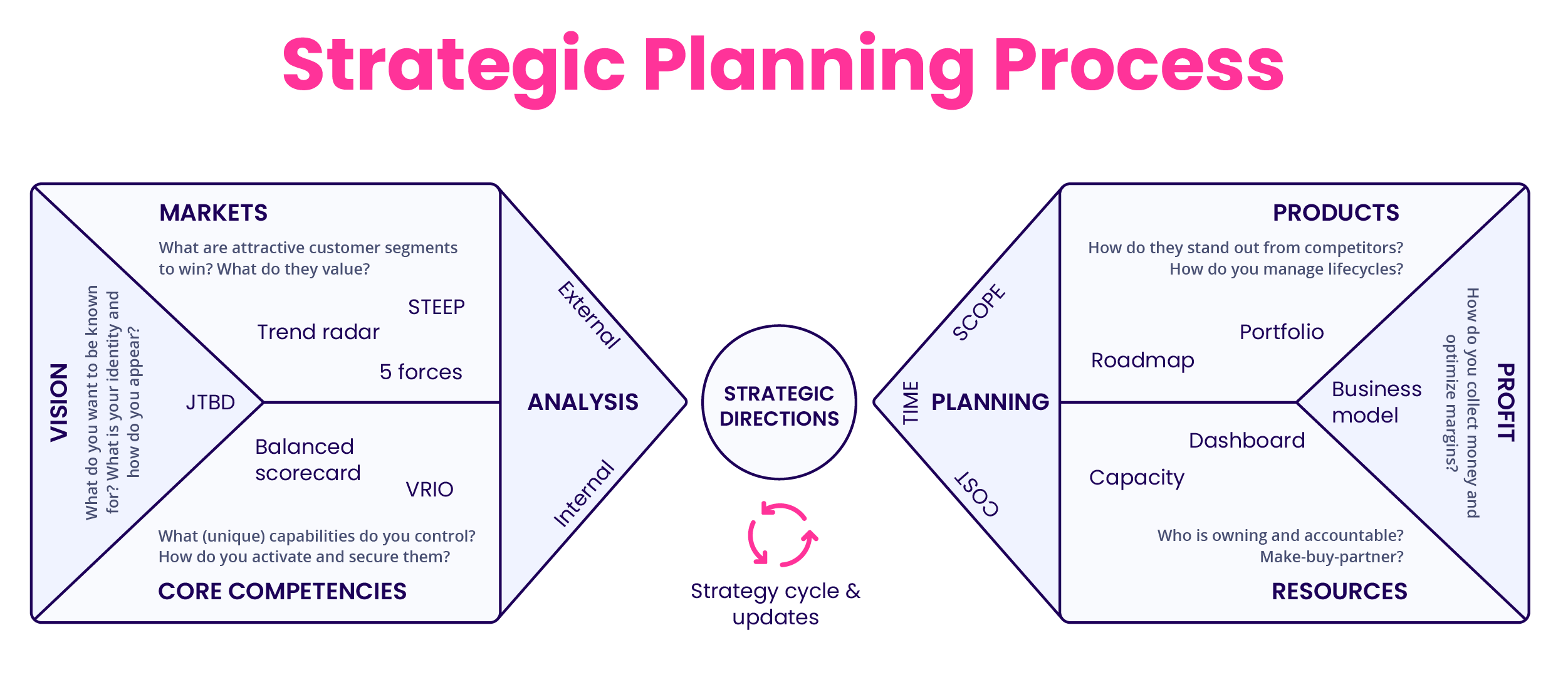
Exhibit 4: The components of the strategic planning process
Financial strategic goals missed by 15% or more in two consecutive years trigger investor pressure, leadership credibility damage, and executive turnover.
When financial goals are set based on a forward-focused vision rather than performance and market analysis, the gap between aspiration and achievement grows every cycle. Boards lose confidence not because leaders lack ambition, but because the strategic planning process lacks rigor.
Grounding financial strategic goals in a bottom-up baseline is the most direct way to restore that credibility.
The classic balanced scorecard strategy map begins with mission and vision, then defines financial, customer, internal process, and learning and growth objectives. Aspiration drives the entire strategic planning process.
The Reverse Strategy Map inverts this.
Start with what is real.
Let evidence surface the gap.
Let the gap define the strategic goals.
The strategic vision moves to the end as a filter, not a foundation.
Here are the six steps.
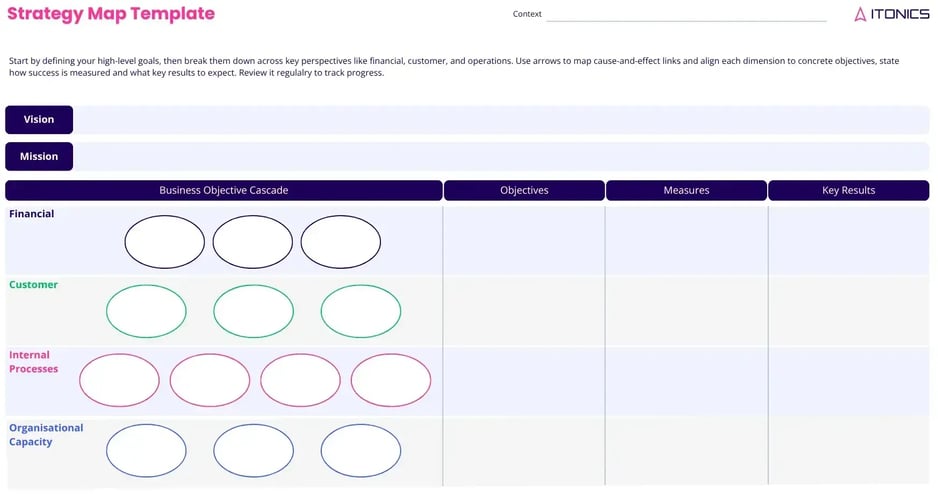
Exhibit 5: Classic strategy map template
Before setting any strategic goals, answer: If operations continue unchanged, what does the business spend, and where can it realistically save?
Identify two categories.
Partnership opportunities: which supplier or vendor relationships could be renegotiated over the next 12 to 24 months? Do new partnerships help you improve efficiency? A manufacturing company consolidating three logistics vendors into one typically saves 8 to 12% of affected spend. Model the conservative end, not the optimistic end.
Efficiency gains: which process improvements are already in motion? If an automation initiative is 60% complete and projected to save $800K per year, include $800K in the cost baseline. Do not count initiatives that are still in the proposal stage.
This is your cost baseline. Together with the revenue baseline, it represents what the business achieves without any new strategic initiative.
Run the same analysis on the customer side: if nothing changes, what will the business produce?
Model three revenue streams independently.
Retention: If product and operations stay the same, how many customers renew? Use churn rate, customer satisfaction data, user engagement trends, and prior performance. A business with 85% annual retention and $40M ARR has a $34M retention baseline before any growth initiative.
New demand: If marketing runs the same playbook, how many new customers enter? Use website traffic trends, brand recognition data, and conversion rates from the prior 12 months.
Sales output: What revenue can sales and account management close based on the current pipeline, capacity, and historical win rates? Use the prior four quarters as the baseline. Do not include upside scenarios.
Add the three numbers. This is your revenue baseline.
Your baseline assumes nothing changes externally. That assumption is always wrong.
Analyze three external factor categories.
Market environment: Is the overall market growing or contracting? A 5% market contraction directly reduces your customer retention baseline. Model this explicitly rather than assuming a flat market. Do new market opportunities arise?
Competitive landscape: Are competitors acquiring capabilities, cutting prices, or entering your segments? Each move has a quantified impact on projected market share. Assign a percentage impact and apply it to the baseline.
Technology and regulation: Which external developments will create tailwinds or headwinds for your core business over multiple years?
Use environmental scanning and a market intelligence radar as your input here. Evaluate reach, impact, and probability ranges to filter out noise. A 10% market contraction with 70% probability produces a more credible strategic plan than an optimistic flat assumption.

Exhibit 6: A trend radar showing how trends impact each other
Subtract your stress-tested baseline from what the business needs to achieve. This is the strategic gap.
A B2B software business with a $43M stress-tested revenue projection and a $55M growth target has a $12M strategic gap. This number is now the legitimate input to setting strategic goals. It cannot be closed by aspiration. It must be closed by specific, time-bound initiatives with measurable objectives.
Break the gap into components. If $4M comes from customer retention risk, $5M from competitive pressure, and $3M from internal inefficiency, you now have three distinct strategic focus areas with defined financial stakes.
Assign measurable goals to each component before moving to Step 5. Each component needs a number, a timeline, and an owner. A strategic gap calculated and broken down this way is defensible to boards and credible to individual teams.
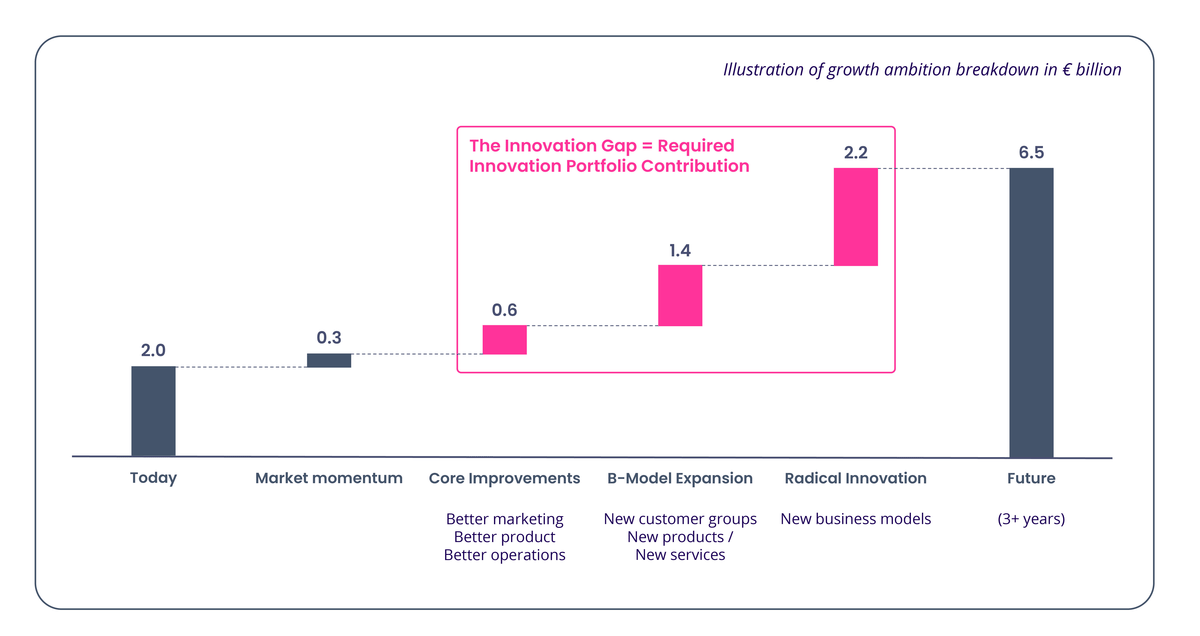
Exhibit 7: Translation of a growth ambition into a strategic portfolio mix
Formulate strategic goals now. Each goal must directly address a component of the strategic gap.
Before writing any goal, apply the 5 Whys. The gap tells you what is broken. The 5 Whys tells you why it is broken. These are different questions with different answers.
If $4M of the gap comes from customer retention risk, ask why customers leave. Then ask why again. Five times. The first answer is usually "product gaps" or "pricing." The fifth answer is usually something actionable: onboarding takes too long, a specific segment never reaches the activation milestone, support tickets in month three go unanswered. That fifth answer is where the strategic goal lives.
A goal written against the surface observation — "improve customer experience" — is vague. A goal written against the root cause — "reduce time-to-activation from 14 days to 7 days by Q3" — is executable.
Apply the same logic to every gap component. If $5M comes from competitive pressure, ask why you are losing deals in that segment. If $3M requires internal savings, ask why costs are where they are. The 5 Whys prevent goals that treat symptoms instead of causes.
Make every goal time-bound: "Reduce annual churn from 12% to 9% by Q4" is a strategic objective derived from evidence and diagnosis — not from a vision statement.
Limit your strategic plan to three to five goals. More than five dilutes execution capacity. Each goal needs a named owner, defined key performance indicators, and a clear review cadence. Track progress at initiative level weekly. Assess progress at strategic goal level every quarter.
This is what formulating strategic goals looks like when it is grounded in evidence. Setting strategic goals this way makes improving execution an outcome of the process, not an aspiration.
Once strategic goals are defined, check them against the company's vision and long-term objectives.
Ask one question: do these goals move the organization toward its long-term vision without contradicting its values?
If yes, publish them. If one goal conflicts with the organization's direction, adjust the framing or reconsider it. This step keeps organizational identity intact without letting aspiration distort the analysis.
The company's vision serves as a filter. Not a starting point. That is the full reversal.
Setting strong strategic goals is half the work. Ensuring individual teams, department heads, and initiatives pull in the same direction is the other half.
Every initiative must trace back to a specific strategic goal. If it cannot, it should not receive resources.
Build a mapping table: initiative name, organization's strategic goals it addresses, owner, desired outcome with a defined number, and timeline. Review this table monthly.
/Still%20images/List%20Mockups%202025/portfolio-oversee-tasks-and-assignments-2025.webp?width=2160&height=1350&name=portfolio-oversee-tasks-and-assignments-2025.webp)
Exhibit 9: A table with conditional formatting rules showing portfolio risks
Initiatives without a clear link to the organization's strategic goals get deprioritized. This single governance practice eliminates the resource dilution that most organizations suffer from quietly across a full planning cycle. It also ensures alignment before project management begins, not after.
Goal alignment breaks down without governance. Define three things for every initiative: who owns it, how progress is reported, and what threshold triggers escalation.
Use this governance framework. Weekly status update from the initiative owner. Monthly review at the department head level. Quarterly review at the executive level.
Set red, amber, and green thresholds. Amber means 10% behind plan. Red means 20% behind and requires an executive strategy review.
Measure progress and assess progress consistently, not just at annual reviews. Track progress every week at the initiative level and every quarter at the strategic goal level. Use these structured checkpoints to make informed decisions before drift becomes expensive.
This removes ambiguity and keeps organizational goals on track between formal planning cycles.
Teams cannot ensure alignment to a business strategy they cannot see.
/Still%20images/Roadmap%20Mockups%202025/portfolio-link-projects-teams-and-milestones-2025.webp?width=2160&height=1350&name=portfolio-link-projects-teams-and-milestones-2025.webp)
Exhibit 10: Projects, owners, and dependencies shown on one roadmap
Publish a shared strategy roadmap showing which strategic objectives are active, which initiatives support each objective, and how they connect across focus areas and departments. Update it quarterly. Make it accessible to all department heads and their direct reports.
Shared roadmaps protect organizational goals from project management drift. When an initiative shifts scope, the roadmap makes the impact on strategic objectives immediately visible. Teams make informed decisions faster because the strategic context is always available.
Connect the roadmap to your balanced scorecard perspectives. Each roadmap initiative should link to at least one scorecard perspective — financial performance, customer satisfaction, internal processes, or learning and growth. This keeps measurable goals visible across all four dimensions, not just revenue.
Well-designed strategic plans still drift. Teams shift priorities without realizing they have moved away from the organization's direction.
AI-powered strategy management tools monitor initiative progress, flag when resource allocation diverges from strategic priorities, and surface early signals before drift becomes visible in finance data.
Set threshold alerts: if more than 30% of initiative effort shifts away from top-ranked strategic objectives in any quarter, trigger a strategy review. This turns strategic management from a periodic exercise into a continuous process for making evident decisions about overall success.
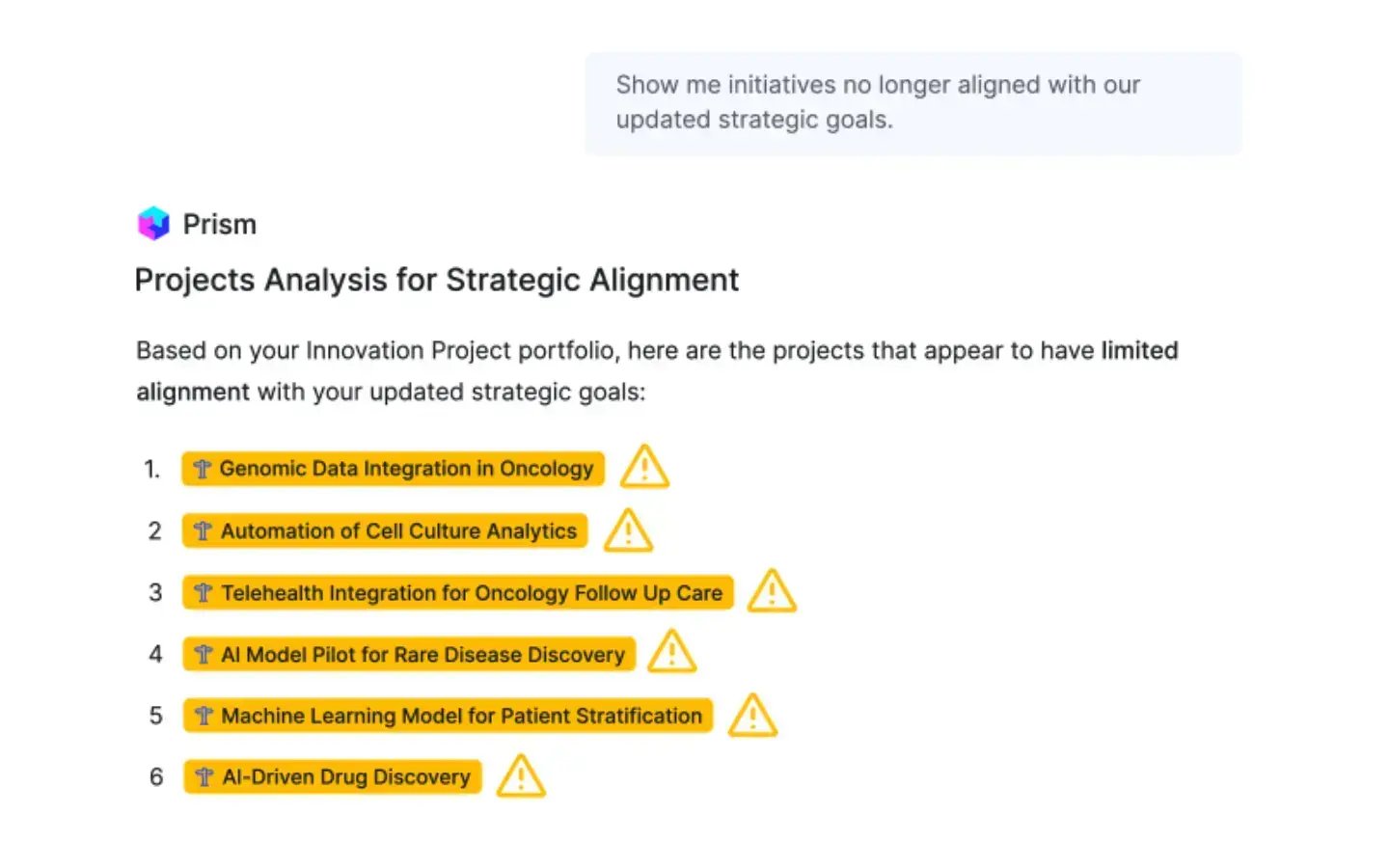
Exhibit 11: ITONICS AI assistant flags off-strategy projects
ITONICS provides the operating system for strategic portfolio management and strategic decision-making.
Real-time strategic alignment runs automatically. Dashboards show projects drifting below 70% strategic fit within weeks, enabling business leaders and decision makers to identify strategy misalignment 4-6 weeks before visible failure. This proactive insight supports informed decisions that balance immediate needs with long-term goals, enhancing overall strategy making and corporate success.
Automate opportunity discovery: Manually tracking and evaluating new opportunities consumes valuable time and resources. ITONICS automates opportunity discovery using artificial intelligence and machine learning, continuously scanning political, economic, social, technological, environmental, and legal factors. This ensures your company operates ahead of trends, regulatory changes, and emerging risks, providing valuable insights for strategic management and strategic planning.
Decision memory captures hypotheses, outcomes, and lessons from every major strategic decision. With each decision, your organization improves its strategic thinking and risk management by leveraging past financial performance data and potential benefits. This team effort strengthens collaborative decision-making and drives success.
Traditional portfolio management tells you what happened last quarter. ITONICS tells you what's about to go wrong next month — while you can still act on your strategic plan and market opportunities, optimizing resource allocation and enhancing your competitive advantage.