Handling customer insights: What drives product roadmaps, what dilutes


Falling in love with customer feedback is easy. They promise higher customer satisfaction and retention. Yet not every consumer insight informs product decisions. And not every one should.
The real question is which insights deserve a seat at the product roadmap table. Most firms collect far more consumer data than they can act on. Research teams produce reports that product managers never open. They ship requirements that consumer data never validated.
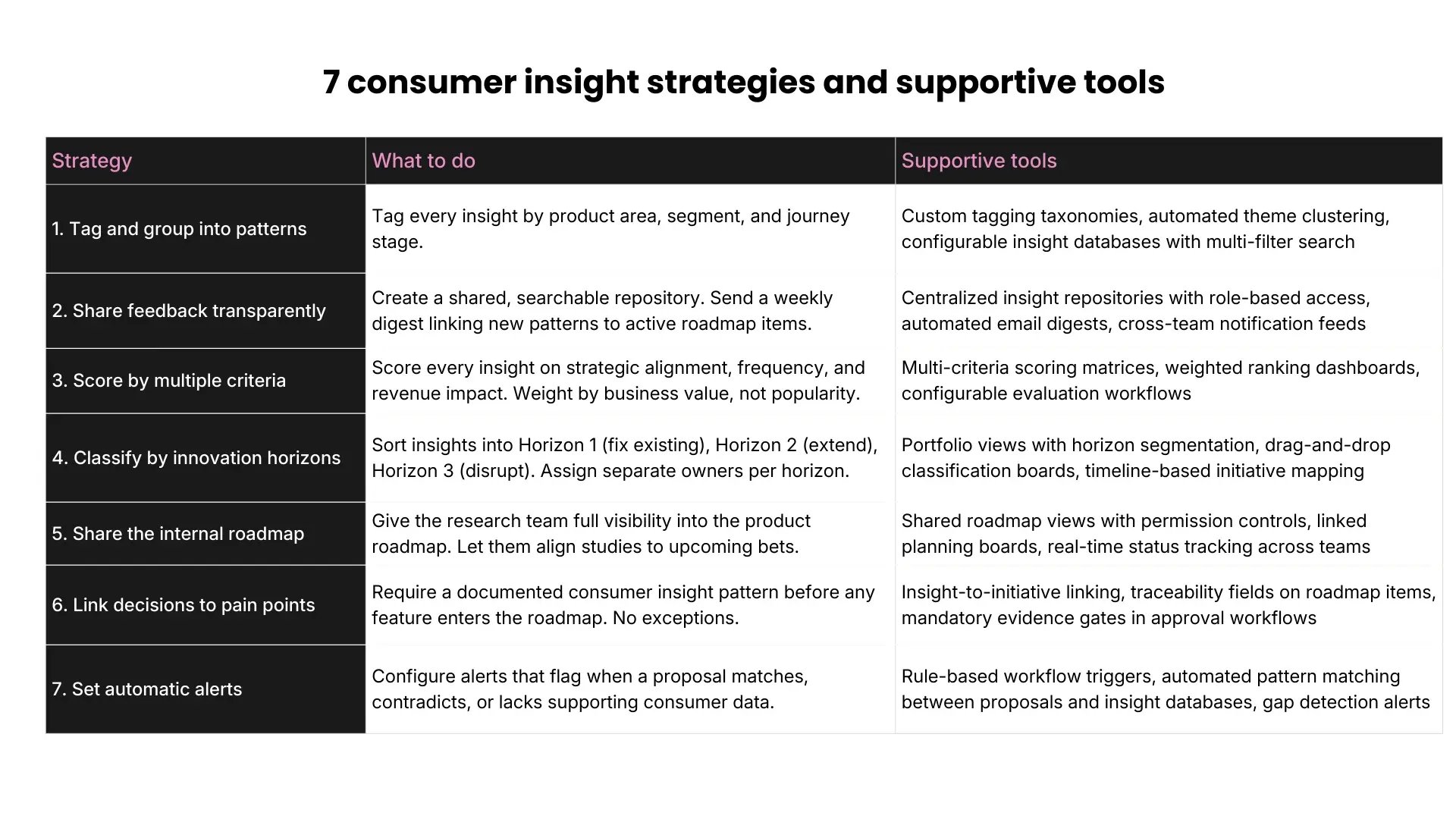
Exhibit 1: 7 consumer insight strategies and supportive tools
This article shows where the disconnect happens, what it costs, and seven strategies to connect consumer insight priorities to the decisions that shape your product roadmap.
Every product team claims to be customer-driven. In boardrooms and strategy decks, customer insights rank among the most repeated terms. A Gartner marketing leaders survey found that over 80% of organizations expect to compete mainly based on customer experience. The buy-in exists. The budgets exist. The data exists.
Yet 80% of new consumer products fail within the first year. That gap between insight collection and product success is not a data problem. It is a prioritization problem. Most organizations treat consumer insight as a research output rather than a roadmap input.
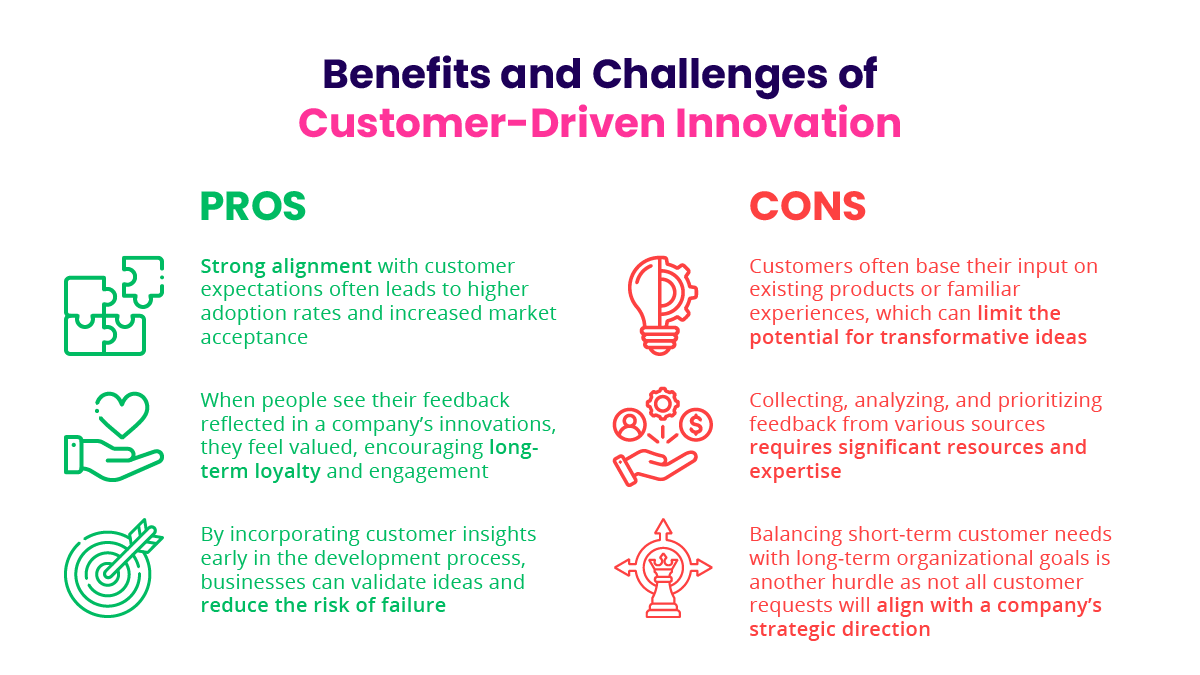
Exhibit 2: Benefits and challenges of customer-driven innovation
The result: teams collect insights that never reach the people making product decisions.
Customer satisfaction scores rise when product teams act on what customers actually report. Bain & Company found that companies excelling at customer experience grow revenues 4-8% above their market. The promise is real.
But satisfaction depends on which insights reach the product roadmap and when. A consumer insight about packaging frustration is useless if it arrives after the product development cycle closes. An insight about unmet pain points loses value when product managers never see it.
The business case for customer insights is strong. The operational link to product decisions is weak.
When an organization invests in consumer research, it signals a commitment to understanding the customer journey. Consumers notice. 73% of customers say experience is the number one factor when deciding whether to purchase from a company. Teams that map insights to the customer journey can identify where products fail expectations at specific touchpoints.
This is where most companies stop. They create journey maps. They run surveys. They compile data into reports that circulate among the market research team. Then the product team builds the roadmap based on internal priorities, competitor moves, and stakeholder opinions.
The consumer insight exists in one system. The product roadmap lives in another. Neither team sees the other's priorities.
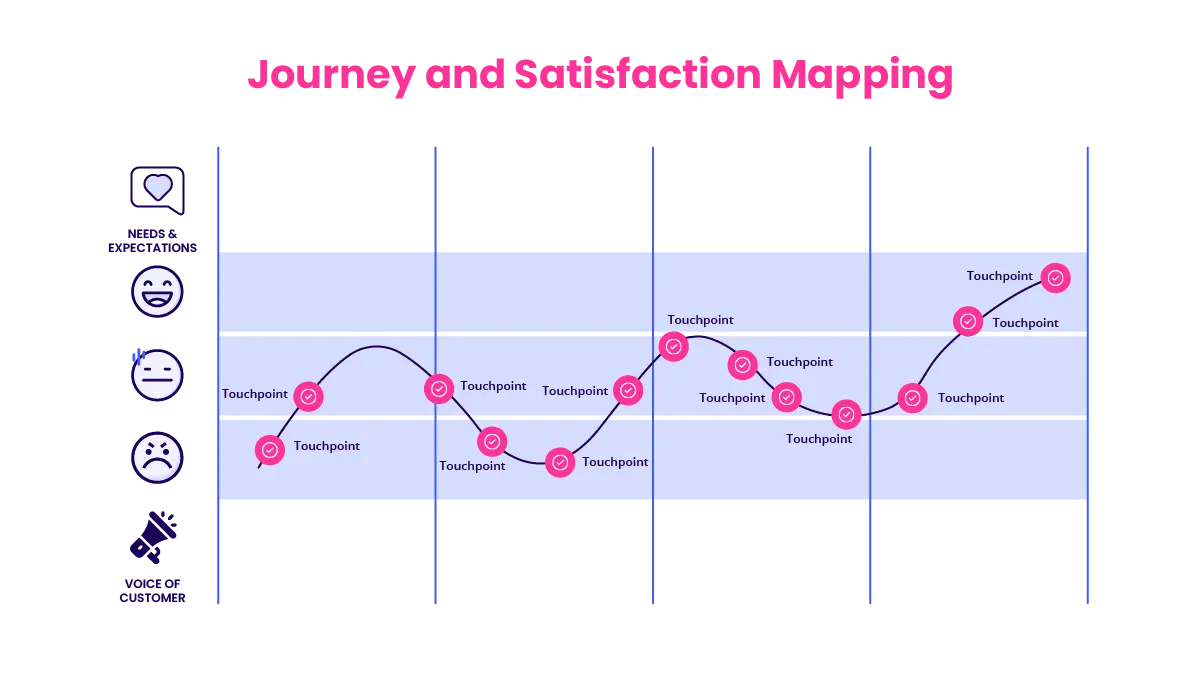
Exhibit 3: Template for a customer journey map
Product failure is expensive. Organizations that develop multiple products without validating consumer demand waste engineering resources, supply chain capacity, and go-to-market budgets on products that miss the market.
The savings from focused product development are measurable. P&G reduced its portfolio from 170 brands to 65 between 2014 and 2016. The remaining brands produced 95% of the company's profits. Market capitalization grew from roughly $150 billion to $350 billion over the following years.
Correct does not mean more. It means connected. Market research that feeds directly into product development decisions prevents the most common failure: building products that solve problems customers do not have.
When consumer insight priorities and product roadmaps operate on separate tracks, the business pays twice. Once for the research that goes unused. Once for the product decisions that miss the market.
Harvard Business School research shows that over 30,000 new consumer products launch each year. 80% fail. The primary reason is not poor quality or weak marketing. It is a mismatch between what the product offers and what consumers actually need.
That mismatch happens when product teams build roadmaps without structured consumer insight input.
Product teams that skip consumer insight validation before committing resources waste 20-30% of their development budget on features customers do not value. Bain & Company found that companies excelling at consumer experience grow revenues 4-8% above their market.
The inverse is equally true. Businesses that ignore consumer behavior data in roadmap planning consistently underperform on launch targets.
The cost is not limited to one failed product. Every product that misses the market consumes engineering resources, supply chain capacity, and sales team attention that could have served a validated opportunity.
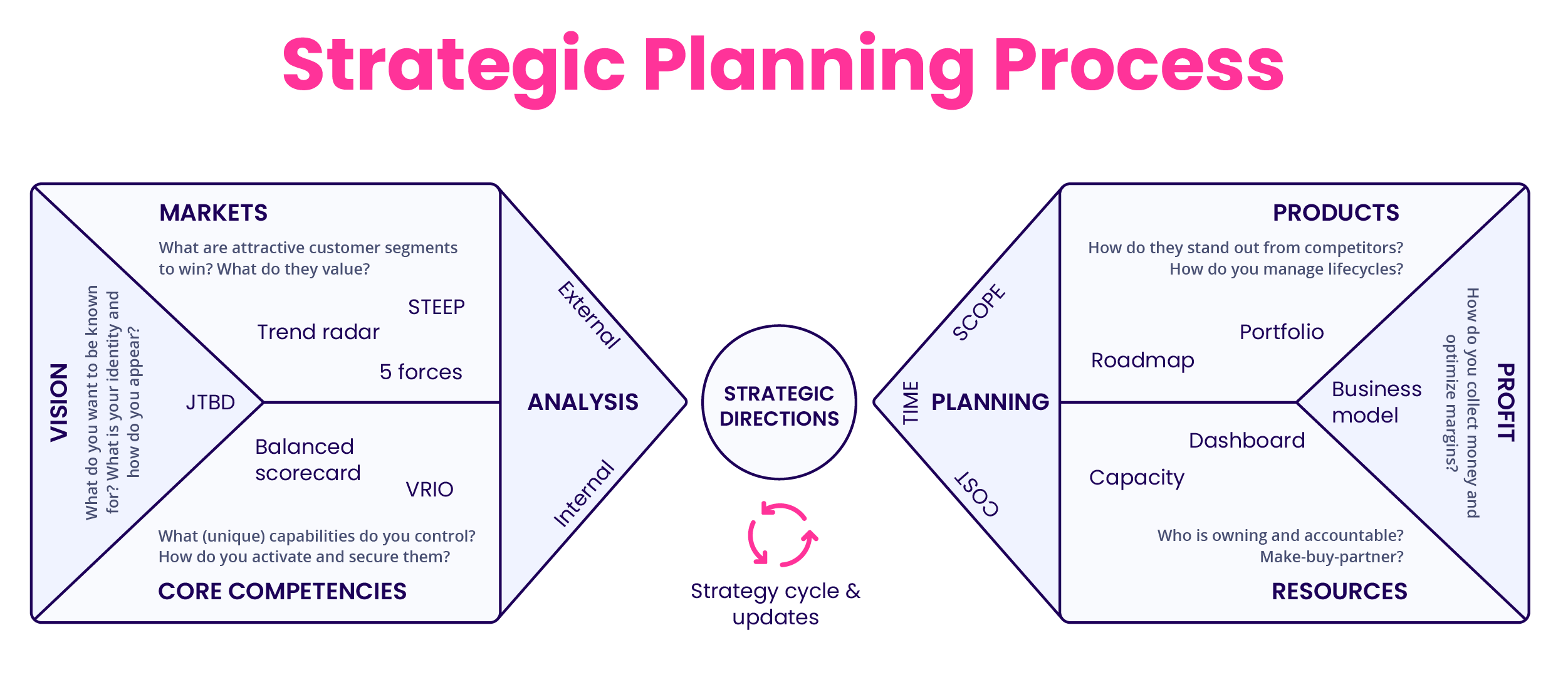
Exhibit 4: The components of the strategic planning process
Misalignment between consumer insights and the product roadmap does not stay contained. It compounds. A flawed assumption in the ideation stage cascades into incorrect feature priorities. Those priorities drive incorrect resource allocation.
By the time customer feedback arrives post-launch, the firm has already committed months of effort and budget.
Each stage of product development amplifies the original error. Research by the Systems Sciences Institute at IBM found that fixing a defect after product release costs 4-5 times more than fixing it during the design phase and up to 100 times more than during requirements gathering.
The same principle applies to insight misalignment. Acting on the wrong consumer data early is expensive. Discovering it late is catastrophic.
Most firms lack the process to connect those insights to product innovation decisions. Three patterns explain why development teams and product owners operate without the consumer data that should shape their roadmap.
Product roadmaps typically include timelines, feature priorities, and resource allocation.
They rarely include structured consumer insight input criteria. Product owners build roadmaps around strategic goals, competitor analysis, and stakeholder requests. Consumer needs enter the conversation informally, if at all.
The result is a product strategy disconnected from what existing customers and new market segments actually demand. When roadmaps lack formal criteria for consumer insight input, product managers make informed decisions based on internal assumptions.
They prioritize specific features that key stakeholders request rather than features validated by consumer behavior data.
This is not a people problem. It is a process problem. Without explicit input criteria, there is no mechanism to surface the right consumer insight at the right stage of product development.
Consumer research teams measure success by the volume of studies completed, surveys fielded, and reports delivered. Product teams measure success by shipped features and launch dates. These two metrics never intersect.
The insight team produces 40 reports per quarter. The product team needs three answers:
When insight teams prioritize by volume, they gain a better overall understanding of the market. But they fail to identify areas where the roadmap is wrong. The company is busy collecting data but hasn't connected it to product development decisions. User feedback accumulates in dashboards that product owners rarely open.
This disconnect means essential signals about consumer needs get buried under reports that no one on the development teams reads.
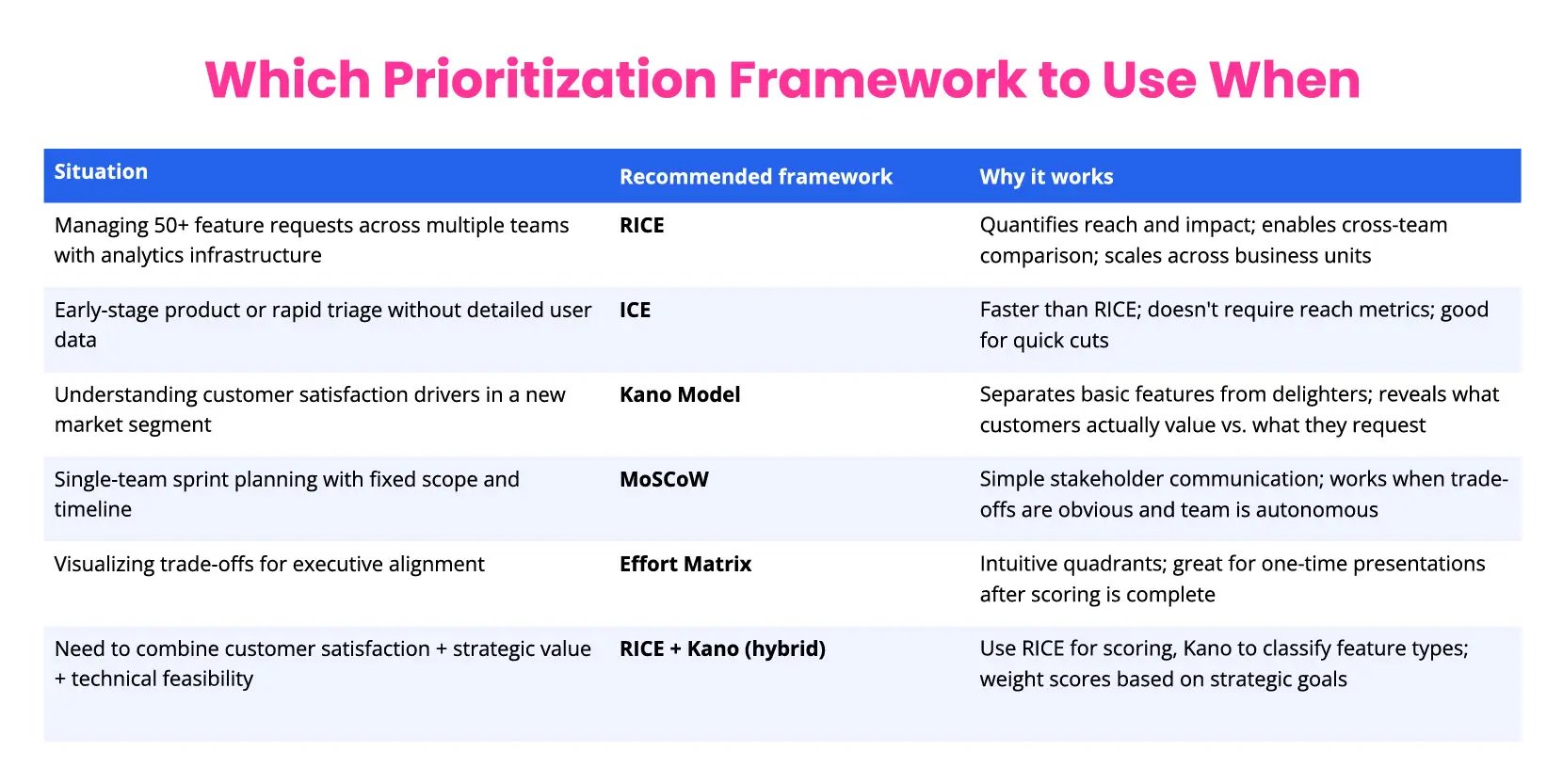
Exhibit 6: Decision matrix showing when to use which prioritization framework
Customer feedback tells you what people say. Customer behavior tells you what people do. The two diverge more often than most product teams assume.
Consumers report wanting healthier options. Purchase data shows they buy comfort food. External stakeholders request new features in surveys. Usage data reveals they barely use the functionality they already have.
Organizations that treat customer feedback as a direct proxy for consumer behavior build products for stated preferences rather than revealed demand.
The opportunity costs are high. Resources flow toward product ideas that sound right in a survey but fail to increase sales at launch.
Effective product innovation requires both inputs. Feedback captures intent. Behavior captures reality. A product strategy built on feedback alone will miss the bigger picture of what consumers actually need.
Collecting consumer insights is not the hard part. Connecting them to product roadmap decisions is. These seven strategies create a structured process that turns scattered consumer data into roadmap input product teams can act on.
The goal is not more research. It is research that arrives at the right time, scored against the right criteria, and visible to the right people in the firm.
Individual consumer insights are noise. Patterns are signal. When a single customer reports a pain point, it is an anecdote. For example, when 200 customers report the same pain across three channels, it is a product roadmap input.
Implement a tagging system that categorizes every consumer insight by product area, customer segment, and journey stage. Then group tagged insights into patterns. A pattern requires a minimum threshold: at least three independent data sources confirming the same need.
This approach filters volume into relevance. Product groups stop reviewing individual survey responses and start reviewing validated patterns. The team stays on the same page about which consumer needs have enough evidence to act on and which need further research.
Tagging also creates a searchable archive. When a new product idea surfaces six months later, the team can check whether existing consumer insight patterns already support or contradict it.
/Still%20images/Network%20Graph%20Mockups%202025/capabilities-collaboration-seeing-relationships.webp?width=2160&height=1350&name=capabilities-collaboration-seeing-relationships.webp)
Exhibit 7: Pattern detection based on shared keyword tags
Consumer insights lose value when they stay locked inside the research team. Product owners, sales reps, and development teams need direct access to customer feedback relevant to their work.
Create a shared, searchable repository where every team in the business can access consumer insights without filing a request. Communicate new patterns weekly through a short digest that links to the underlying data. Transparency does two things.
It eliminates the bottleneck of requesting reports. And it builds shared context across teams that otherwise operate on separate assumptions.
Organizations that implement transparent feedback sharing report faster alignment between product teams and market realities. Sales teams identify areas where customer feedback contradicts current positioning. Development teams spot feature requests that map to ongoing process improvements. Growth follows when insights circulate rather than stagnate.
Volume is the default metric for most insight teams. More responses. More studies. More data points. But volume does not communicate roadmap relevance.
Score every consumer insight against three criteria:
For example, a consumer insight reported by 10 enterprise customers with $2M annual contracts outweighs a consumer insight reported by 500 free-tier users. Scoring by multiple criteria ensures that product managers prioritize by business impact rather than popularity.
/Still%20images/Radar%20Mockups%202025/capability-views-ease-multi-criteria-decisions-2025.webp?width=2160&height=1350&name=capability-views-ease-multi-criteria-decisions-2025.webp)
Exhibit 8: A trend radar, highlighting the impact of the trend convergence of AI
This is how companies stay relevant in competitive markets and stay ahead of shifting customer needs.
Not every consumer insight belongs on the same timeline. A complaint about existing product functionality belongs on next quarter's roadmap. A signal about shifting consumer behavior belongs on the two-year horizon. Mixing the two creates confusion about what to build now versus what to explore later.
Classify consumer research insights into three innovation horizons.
The right balance prevents short-term fixes from crowding out long-term product innovation. It also gives product managers a framework to communicate priorities to key stakeholders without debating urgency. Each horizon has its own timeline, resource allocation, and success criteria.
Most companies share consumer insights with product groups. Few share the internal roadmap with insight teams. This one-directional flow is why research teams produce reports that miss roadmap priorities.
When the market research team sees the internal roadmap, they can align their effort to the questions product development actually needs answered. They stop researching topics that the product team deprioritized months ago. They start investigating the assumptions behind the upcoming roadmap bets.
Transparent roadmap sharing also creates accountability. When insight teams can see which product decisions ignored available consumer data, they can flag risks before launch. When product teams can see which consumer insights they have not yet addressed, they make more informed decisions about trade-offs.
This requires trust between teams. But the effort pays off. Organizations where research and product share a single view of priorities ship products that match consumer needs at a higher rate.
/Still%20images/External%20Webpage%20Mockups%202025/portfolio-share-roadmaps-2025.webp?width=2160&height=1350&name=portfolio-share-roadmaps-2025.webp)
Exhibit 9: Embedding a roadmap on an Intranet page
Product decisions often trace back to competitor moves, executive opinions, or technical capabilities. Requiring an explicit link to customer pains forces the team to validate assumptions before committing resources or missing innovation opportunities.
Implement a simple rule: no feature enters the roadmap without a documented consumer insight pattern supporting it.
This redirects your product development effort toward important tasks that consumers actually value rather than components the company assumes they want.
The discipline also surfaces new opportunities. When teams search for supporting consumer data, they often discover adjacent customer benefits they overlooked. These become inputs for future roadmap cycles.
Manual processes break down at scale. When the product roadmap contains 50 initiatives and the consumer insight database holds thousands of entries, no one has time to cross-reference them manually.
Set automatic alerts that flag when a new product innovation proposal matches, contradicts, or lacks supporting consumer insight data. When a product manager proposes entering a new distribution channel, the system surfaces relevant market research about consumer behavior in that channel.
When a proposal contradicts customer feedback patterns, the alert creates a review trigger.
Automation ensures that essential connections between consumer insights and roadmap decisions happen consistently. It removes the dependency on any single person remembering to check. Teams that implement automated alerts identify misalignment early, before it becomes an expensive product failure.
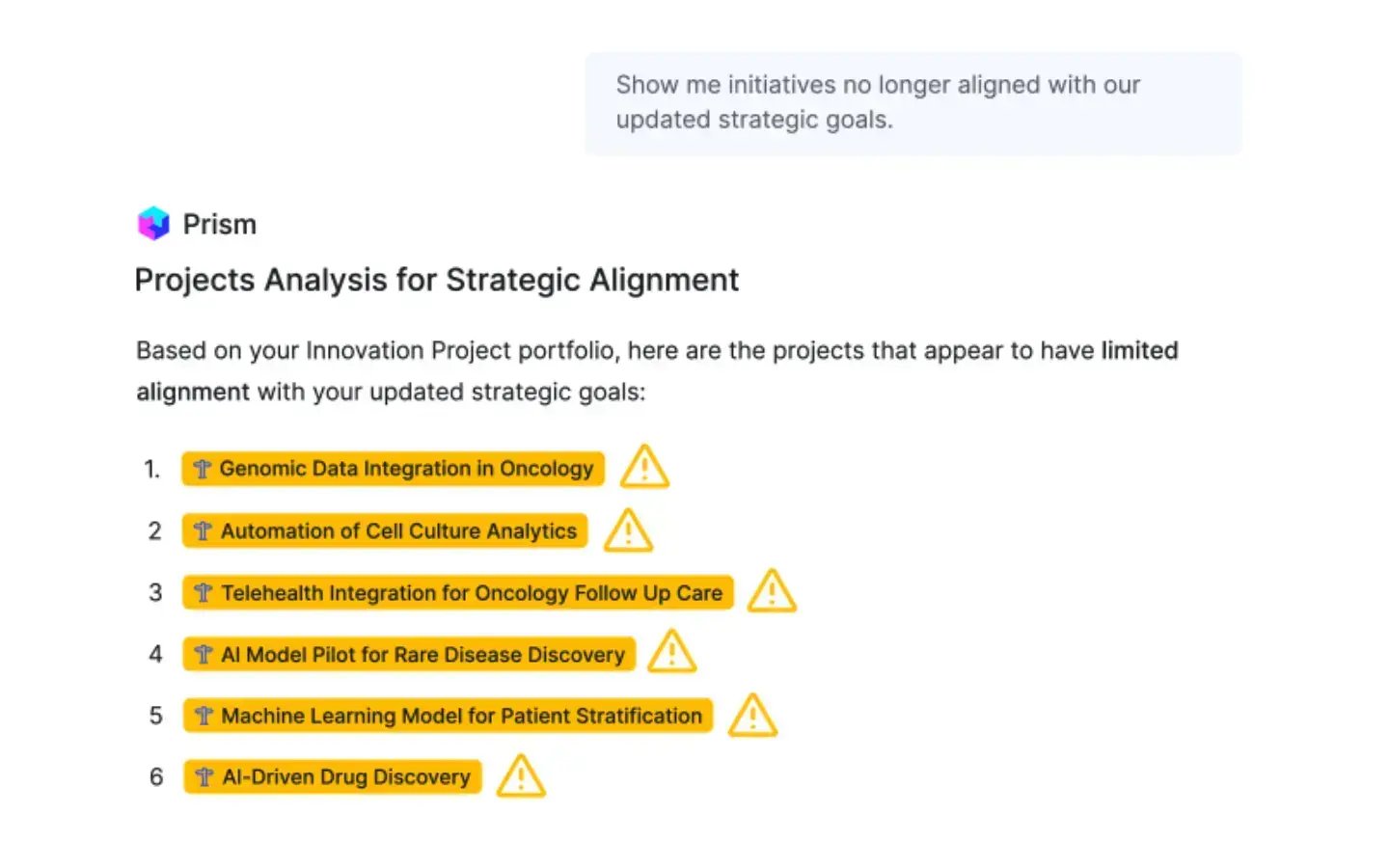
Exhibit 10: ITONICS AI assistant flags off-strategy projects
These three examples show different approaches to connecting consumer insight with product roadmap decisions. Each example reveals a specific lesson about what works and what fails when businesses try to make consumer data drive product innovation.
Nike built one of the largest consumer insight engines in retail. 150 million active loyalty members generate continuous user feedback through apps like Nike Run Club and SNKRS. In this example, SNKRS app polling was used to develop the Design by Japan Air Max 1 '87, its first product built directly from member insights. Concept to delivery took one year.
Then Nike overcorrected. In 2024, they eliminated 70% of its category experts and replaced domain knowledge with generalized data teams. The product innovation pipeline stalled. Market value dropped $25 billion.
The lesson: consumer data improves product decisions when it complements human expertise. It destroys value when it replaces it. Nike's process worked when category specialists interpreted consumer signals. It broke when algorithms alone set the roadmap.
Kellanova tied consumer insight directly to strategic goals. The company invested in proprietary analytics to study eating habits, consumption occasions, and customer satisfaction drivers across snack categories.
The results are measurable. Innovation contributed $250 million in sales in 2025, a 40% increase over the prior year. Salty snack promotion effectiveness grew 91% from 2024 to 2025. Pringles Harvest Blends launched specifically because consumer data identified demand for better-for-you snacking options that existing products did not address.
Kellanova also used AI-powered conversational research to reach Gen Z customers, achieving a 700% increase in qualitative response depth. The company treats consumer insight as a strategy-level input, not a research department output. Growth follows when insights shape portfolio decisions rather than just marketing messages.
Starday Foods represents the most radical approach. The company processes 10 million pieces of consumer content weekly using AI to identify unmet demand before building any product.
In under four years: 4 brands created, 16 products launched, available in Target, Walmart, Whole Foods, and Kroger. All Day chickpea protein crunch became number one in dollars-per-door at Sprouts, outperforming category velocity by 72%. The innovation cycle runs 75% faster than industry standard.
Starday does not treat consumer insight as one input among many. Consumer signals are the roadmap. Every product starts with validated demand. Services like trend analysis, review mining, and retail gap identification feed directly into R&D briefs. No product enters development without evidence that customers want it.
The strategies in this article require infrastructure. Tagging needs, scoring by multiple criteria, and setting automatic alerts cannot run on spreadsheets.

Exhibit 11: Consumer insight radars help prioritize insights from multiple perspectives
ITONICS connects consumer insight to product roadmap decisions in one system. It closes the gap between what your research discovers and what your plans want to create.
Eliminate information silos between insight and product decisions. With ITONICS, customer feedback, market research, trend signals, and product roadmap priorities live in one place. Product owners, development teams, and key stakeholders operate on the same page.
Streamline how your business prioritizes consumer insights. Capture, tag, score, and prioritize user feedback from across the business in one ongoing process. Resources flow to validated needs rather than the loudest request.
Decrease product-market fit risks. ITONICS connects product development projects with trends, technologies, and consumer behavior data so teams identify misalignment before committing resources. Leadership can ensure product innovation stays aligned with strategic goals.

.webp?width=900&height=450&name=Top-10-project-portfolio-software-tech-and-development-teams-use-for-managing-innovation-projects-fullwidth%20(1).webp)