Strategic intelligence: Signals to fund or stop portfolio decisions


Decision-making is best when all the information sits on the table. Real-time insights from the market. Strategic portfolio health. Competitor moves. Enterprises track every one of these. Few merge them in the strategy execution process at the moment a portfolio management decision is due.
That gap is the strategic portfolio intelligence problem. Strategy teams scan markets, watch rivals, and monitor performance. They create sharp decks for business leaders and the annual meeting. By the time strategic portfolio decisions are made, the signals are already outdated.
Disconnected strategic portfolio management software, spreadsheets, and performance data impede real-time visibility and competitive advantage. They break the handoff from insight to decision.
Strategic portfolio intelligence solves the disconnect and brings real-time insights to fund, stop, or scale portfolio decisions. This article explains how strategic portfolio intelligence accelerates decision-making, creates enterprise-wide visibility, and helps to identify risks early.
.webp?width=1135&height=676&name=Definition%20of%20strategic%20portfolio%20intelligence%20(1).webp)
Exhibit 1: Strategic portfolio intelligence is the intersection of strategic and business intelligence
Most strategic planning treats intelligence as an output. Analyst reports get consulted. MBB consultants are hired to define business strategy. PowerPoints explain the organization's strategic goals. Most of it is busy work. The next funding or kill decision looks the same the next time.
When intelligence stays an output, business leaders keep funding the same strategic initiatives they backed before the scan landed. The fix is to make strategic portfolio intelligence a constant input to those decisions. A once-a-year report cannot do that.
Strategic portfolio intelligence is external and internal information, assessed and connected to drive strategic portfolio management decisions that build long-term competitive advantage.
It collects and analyzes everything a portfolio decision needs, a new regulation on the horizon, or an internal read on capacity and constraints, then recommends the fund, stop, or scale call on any initiative.
This is where it parts from strategic intelligence. Strategic intelligence puts most of its weight on the external environment, markets, competitors, technologies, and regulation. Those external signals form the scenarios that guide long-term strategy. The company history and the existing portfolio are added by hand, if at all.
Strategic intelligence also lives at the level of corporate strategy, so its decisions get reviewed on the strategy calendar, usually quarterly. By the time a signal reaches that review, the organization's strategic goals, strategic outcomes, and key performance indicators can already carry a two-month decision lag.
Business intelligence sits on the other side. It looks inward and reports what already happened inside operations: sales, cost, and performance metrics. It often misses what is changing in the business environment and what the organization should do about it.
Strategic portfolio intelligence sits at the intersection of strategic intelligence and business intelligence. Outside signals, inside reality, connected to the portfolio decision.
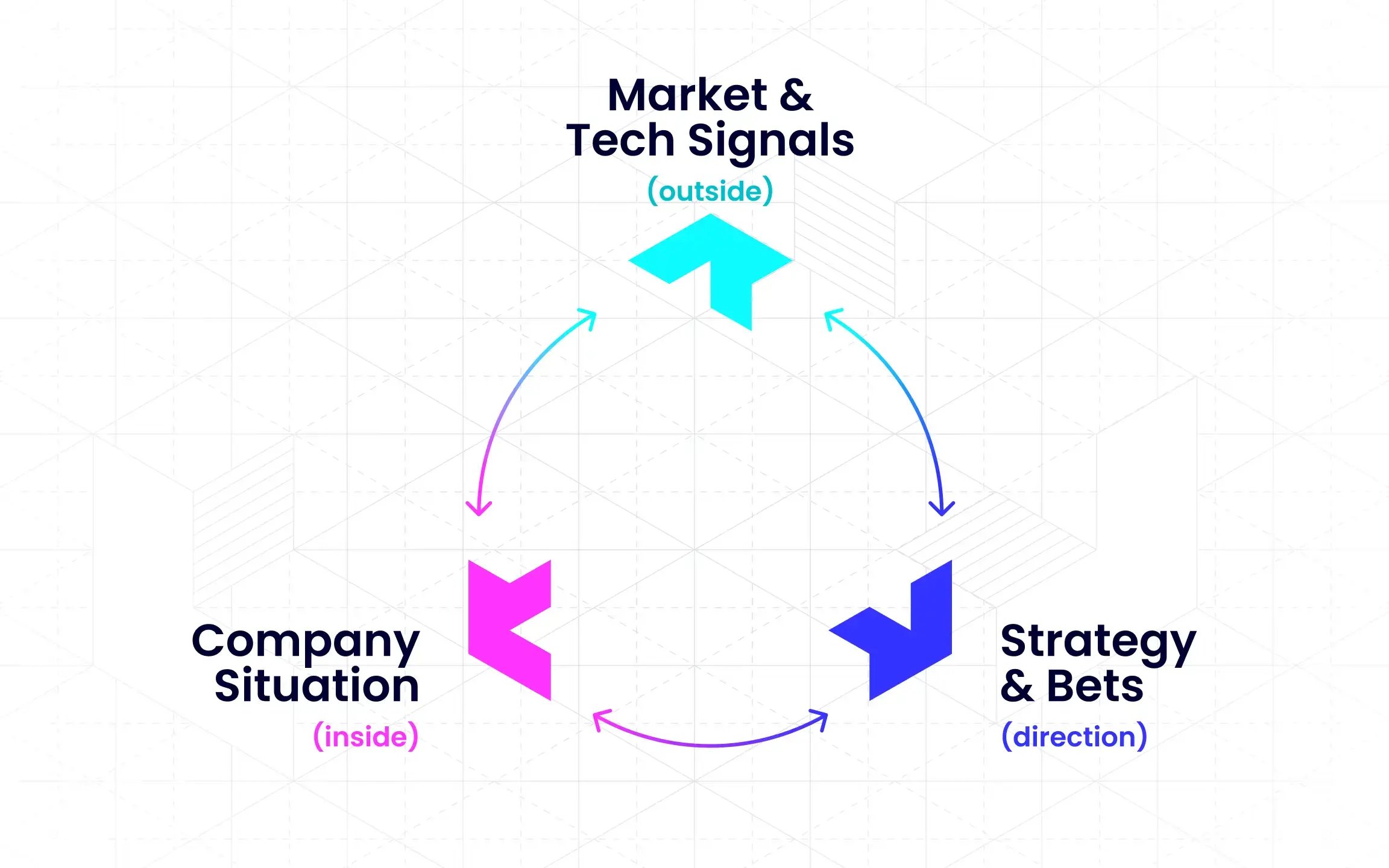
Exhibit 2: Strategic portfolio intelligence combines market and tech intelligence with strategic direction and roadmap decisions
More data rarely improves decision-making. Teams add scanning tools, buy more sources, and hire more analysts. The volume of insight climbs. The decision rate stays flat.
The cause is structural. Historically, intelligence and decision-making sit in different rooms. Business leaders are too busy to collect and interpret all the signals. That's why analysts produce the scan. The time they meet, neither of them understands the other. The scan does not align with the business priorities anymore. The budget has already gone to other proposed projects.
Signal then piles up without a destination. By the time a trend grows undeniable enough to act on without debate, the first-mover window has closed. Slow decisions cost more than wrong ones in fast markets. They also erode business agility, the speed at which a company adapts its overall business strategy.
The better way is that the decision-maker receives the intelligence the moment a decision is due - in the right length, focused, and comprehensive. Something AI is extremely good at.
The handoff from intelligence to action breaks in three predictable ways. Each one is fixable. Each one hides inside a process that looks healthy on paper.
Most signals arrive without an owner. The scan flags a competitor move. It reaches a shared channel. Everyone sees it. No one is accountable for translating the impact on the strategic goals, the strategic planning, or resource management.
Without a defined operating model, intelligence becomes everyone's information and no one's decision.
Build workflows where portfolio managers, product managers, and business leaders can define what sort of signal they want to receive. This brings decision-making authority to data collection.
The most important aspect for such data-driven decisions is the right level of intelligence breadth and depth. Allow individuals to define their own level of intelligence breadth and depth. Latest here, it becomes clear that AI is needed to enhance strategic portfolio management effectiveness and ensure comprehensive visibility across the business.
.webp?width=1668&height=924&name=The%20Cost%20Breakdown%20of%20Delayed%20Visibility%20in%2050M%20Portfolios%20(and%20the%208%20SPM%20AI%20Use%20Cases).webp)
Exhibit 3: The cost breakdown of delayed visibility in 50M portfolios (and the 8 SPM AI use cases)
Analysis that lags the market misleads. A quarterly cycle means the intelligence informing today's strategic decisions can be 90 days old. In semiconductors, energy, or consumer tech, 90 days change the picture.
Late analysis produces confident decisions built on stale inputs. The data looks rigorous. The market it describes no longer exists. Capital flows toward business priorities that have already shifted.
Shorten the cycle. Move from quarterly briefings to ongoing monitoring of the signals that matter to your strategic priorities. Targeted input beats a polished snapshot.
Run one test on any intelligence report. Name the decision it changed.
If the honest answer is none, the report failed, whatever its quality.
Slide decks are the worst strategic portfolio management tool. They are static, outdated fast, and cannot easily draw connections. Often, the strategic planning calendar dictates the intelligence cycle and the report cycle. It should be the inverse. Once intelligence changes, the report needs to be created and a meeting planned.
Strategic portfolio intelligence has one key goal. A change to the portfolio when it is needed. Fund a new initiative. Stop a failing one. Scale a winner.
These are investment decisions: financial planning choices that reallocate capital toward the organizational goals the board approved.
This reframes the strategic portfolio process. Often, the strategic planning calendar dictates the intelligence cycle and the report cycle. It should be the inverse. Once intelligence changes, the report needs to be created and a meeting planned.
Strategic portfolio prioritizes data-driven decisions over the meeting calendar.
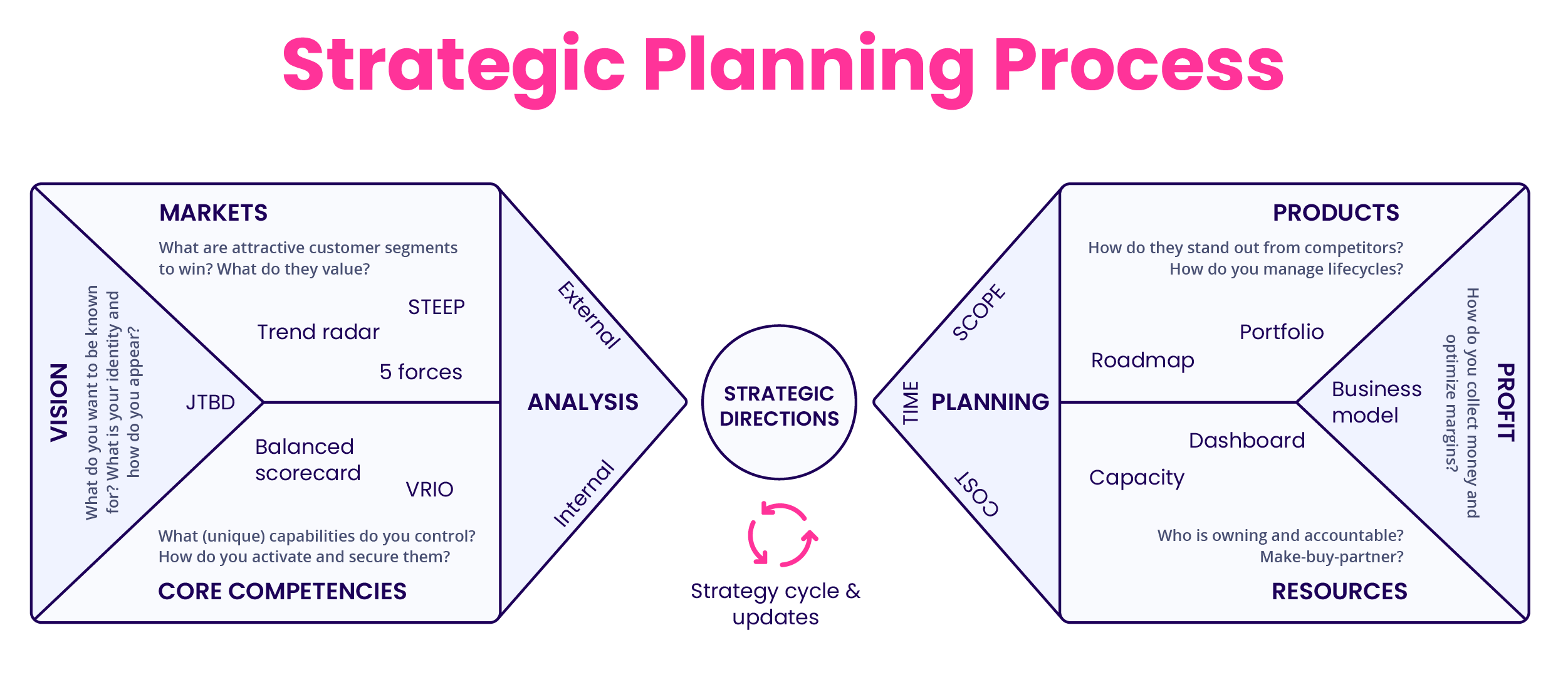
Exhibit 4: The components of the strategic planning process
A signal affects a decision when it meets three things:
a decision owner,
cause-and-effect reasoning,
and a trustworthy source.
Strip any one and the signal stalls.
First, make sure that decision owners can define the signals they track. The signals need to have a direct connection to their business work, strategic decisions, and strategic priorities.
Second, the signal should not only describe what is changing. What turns this into intelligence is leaping and explaining the business consequences.
Third, the origins of the signal need to be transparent and trustworthy. At best, not only one signal informs about a change, but signals from multiple different directions form a clear pattern, a trend.
Strategic intelligence and portfolio management classically live apart. One team scans. Another manages the project portfolio in spreadsheets. The strategic portfolio management (SPM) lives on different slides prepared for a quarterly review.
Strategic portfolio management tools close that gap by design:
They centralize your initiatives,
their resource allocation,
and their strategic outcomes in one system.
Strategic portfolio intelligence happens when fresh intelligence reprioritizes them in real-time. When a signal lands, the project owner is informed and can prioritize investments accordingly.
Static strategic planning cannot keep pace with the business environment. Agile methodologies pushed delivery teams toward shorter cycles years ago. The same logic now applies to the portfolio. Continuous reprioritization can improve business agility at the company level.
Connect strategy to the project management portfolio, and reprioritization becomes routine. Aligning projects to strategy once a year cannot hold. Conflicting priorities surface the moment two units chase the same budget. To maintain alignment, each new regulation, competitor launch, or technology shift updates portfolio priorities the week it happens, not the quarter after.
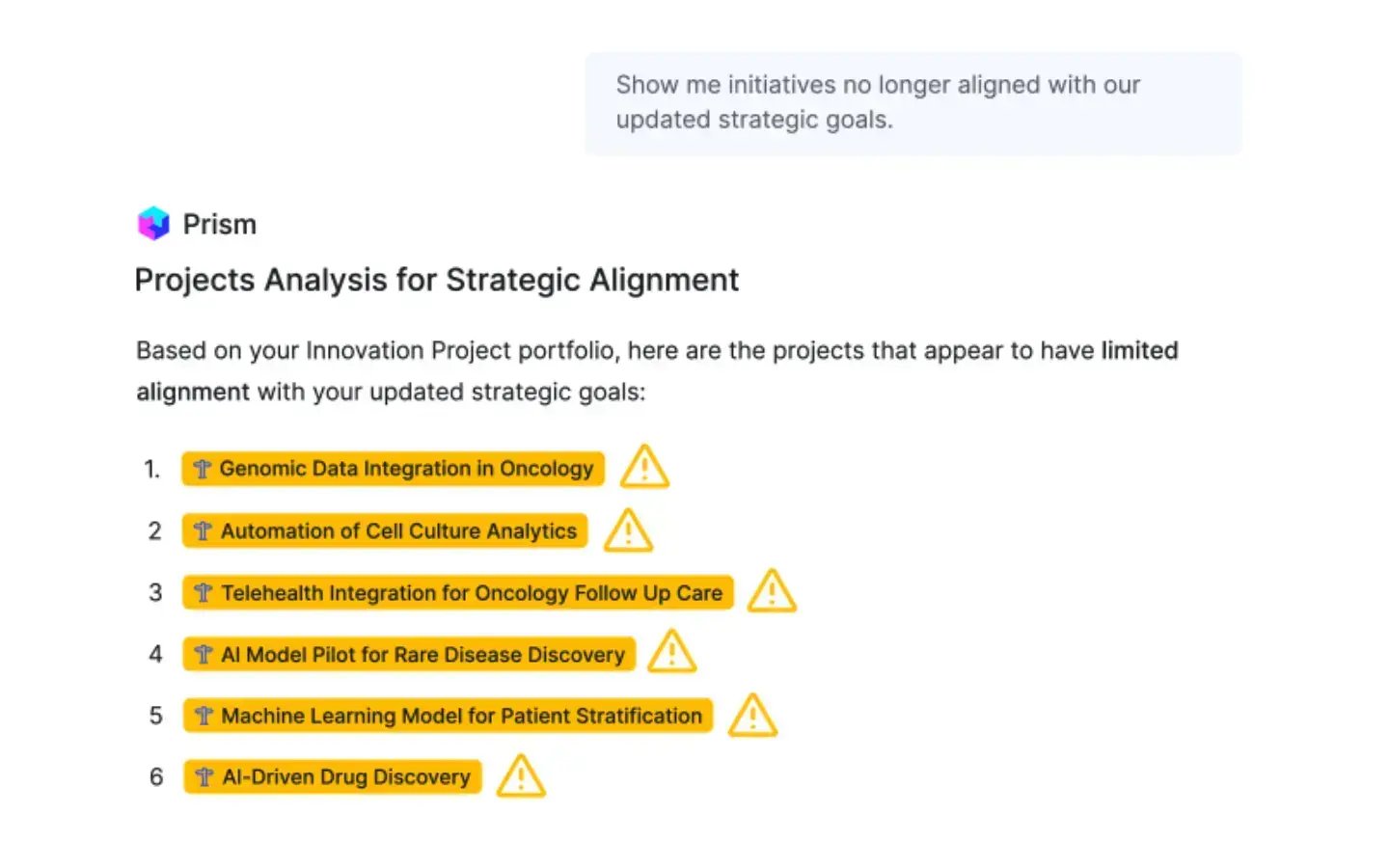
Exhibit 5: ITONICS AI assistant flags off-strategy projects
This framework combines market intelligence and portfolio execution. Six steps. Each one puts the user's interests first.
The loop matters more than any single step. Strategic planning and strategy execution that runs this cycle continuously, not every quarter, compounds. Each business outcome sharpens the frame and drives more efficient resource allocation across the portfolio.
The key steps compress to four moves: frame, capture, assess, decide.
Execution and monitoring close the loop. Most owners frame and capture, then skip the decision discipline.
A funded initiative should trace back to a specific signal and clear cause-effect-relationships. Such comprehensive visibility survives a board challenge. When a business leader asks why you funded a project, you show the signal, the rationale, and the strategic themes it advances.
/Still%20images/Workflow%20Builder%20Mockups%202025/portfolio-audit-trails-and-alerts-2025.webp?width=1440&height=900&name=portfolio-audit-trails-and-alerts-2025.webp)
Exhibit 6: Notification for approaching validation deadline inside ITONICS
Project portfolio management is the execution half of the loop. Strategic portfolio intelligence decides what to fund. Project portfolio management governs how it gets delivered and maintains alignment.
Without it, funded decisions drift. Scope grows. Timelines slip. The initiative that looked sharp in the review becomes a sunk cost no one revisits. Connect the decision to delivery, and the drift stops. That is the job of strategy management.
Use stage gates to anchor strategic portfolio intelligence checks in your business processes.
A project that passed its gate last quarter may fail the next one when the market moves. Each gate is the moment to engage stakeholders on whether the initiative still fits. Bring all the stakeholders into the call, identify risks early, and cut work that would hinder progress before capital compounds into the wrong place.
Toyota and DB Schenker already run this loop on ITONICS. Both moved from scattered tracking to one system of record.
Toyota Motor Europe manages more than 200 R&D projects on ITONICS. That scale defeats spreadsheets. With 200 projects in Excel, no business leader can see the whole strategic portfolio, spot duplicate work, or identify risks across initiatives.
One system gives Toyota enterprise-wide visibility across those projects, with real-time visibility into status, dependencies, and resource demands. Leaders monitor performance in one view, so when intelligence flags a shift, the affected projects show up immediately, not after a manual roll-up.
Scale is the lesson. The more complex projects you run, the more the handoff from intelligence to decision depends on a single connected strategic portfolio management system.
DB Schenker manages startup collaborations 25% faster on ITONICS. Speed is the ROI lever here. A collaboration that reaches a fund-or-stop decision 25% sooner frees capital and capacity for the next opportunity.
Faster decisions also cut sunk cost. The quicker a team can stop a collaboration that is not working, the less budget it strands. To maximize ROI on a venture portfolio, shorten the time between signal and decision rather than chasing more deals.
The mechanism connects to the framework. Capture the startup signal, score it, decide. The cycle that DB Schenker shortened by 25% is the same loop any strategy team can run.
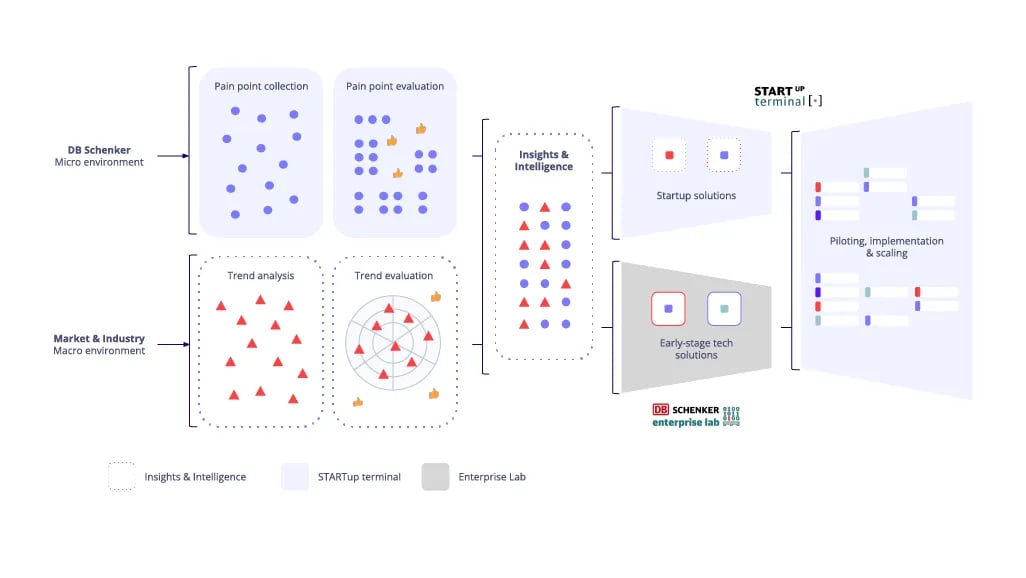
Exhibit 7: DB Schenker innovation process diagram
You do not need a year to connect market intelligence to portfolio decisions. Ninety days is enough to build the core loop. The plan works in three moves. Assign owners first. Connect systems second. Run strategic planning and strategy execution as one live loop third.
Start with people and the current operating model. Map who owns decision-making for the portfolio and who owns it for each project. Learn how they track progress today and how they fold external insight into their calls.
Map their information needs to recurring signal sources. Competitor moves, technology shifts, regulatory changes. A detailed list can already help the owner to check for relevant signals.
By day 30, you have the decision owners, their context, and a list of sources that are relevant to them.
Now connect intelligence to the project portfolio. Pull your initiatives into one view. Tag each with the strategic objectives and business goals it serves and the business capabilities it builds. This is where the strategic portfolio and capacity planning become visible.
Set the reasoning method. Agree on how to interpret signals' impact and urgency against business priorities. A shared scale across portfolio managers saves debates and maintains alignment.
By day 60, every initiative sits in one portfolio with its strategic fit and resource demand attached. Fresh intelligence now has somewhere to land. The best tool to manage strategic portfolio planning and track strategy execution is strategic portfolio management software like ITONICS.
Use the next review to discuss the portfolio with your new strategic portfolio management tool. See what is at risk and why. For each initiative, force a decision. Fund, stop, or scale. Record the rationale and the owner.
Expect discomfort. The first review surfaces initiatives that should have stopped months ago. That is how the strategic portfolio management system works. A stop decision in month three is the fastest ROI the loop will produce.
Close by scheduling the cadence. Monthly reviews from here. By day 90, strategic portfolio intelligence has changed at least one real portfolio decision, and the loop is running.
One operating model removes the seams between strategy and delivery. Strategic intelligence sets direction. Program management groups the initiatives that serve each strategic theme. Project management governs the work inside them.
/Still%20images/AI%20Mockups%202025/capabilities-collaboration-one-single-source-of-truth.webp?width=1440&height=900&name=capabilities-collaboration-one-single-source-of-truth.webp)
Exhibit: AI-powered strategy operating system by ITONICS
In ITONICS, all three live in one system of strategic portfolio intelligence. Roadmaps connect strategic planning to operational tasks over time. Kanban boards track the health of each project. Dashboards give leadership board-ready reporting without the manual roll-up that eats analyst time.
Prism, the platform's AI, checks initiatives against strategy and recommends fund, re-scope, or stop based on strategic fit and business value. It draws on a curated data lake of 50 million signals and flags budget, staffing, and schedule risk early. Human-in-the-loop stays the rule. Prism proposes. Your owners decide.
One model gives leadership a single source of truth. Strategy, program management, and project management read from the same data, so a decision in the review reaches the roadmap the same day.