Fast idea validation: 8 quick tests to decide what’s worth funding


Most innovation leaders assume that more ideas increase the chances of success. In practice, higher idea volume often raises risk. It delays decisions, hides weak assumptions, and blurs success criteria. Attention shifts toward ideas that are easiest to justify, not those most worth funding.
Phase-gate processes are designed to control this risk. Too often, they amplify it. Testing ideas is postponed until commitment feels unavoidable. Initial insights are ignored in favor of polished narratives. Evidence arrives late, when changing direction is costly and politically difficult.
Fast idea validation breaks this pattern. It moves learning upstream, before resources are locked in and expectations harden. Instead of comparing ideas, teams test assumptions against clear success criteria. Instead of waiting for certainty, they reduce risk early.
This article introduces a practical idea validation framework and eight quick tests to help teams decide what deserves funding before momentum replaces judgment.
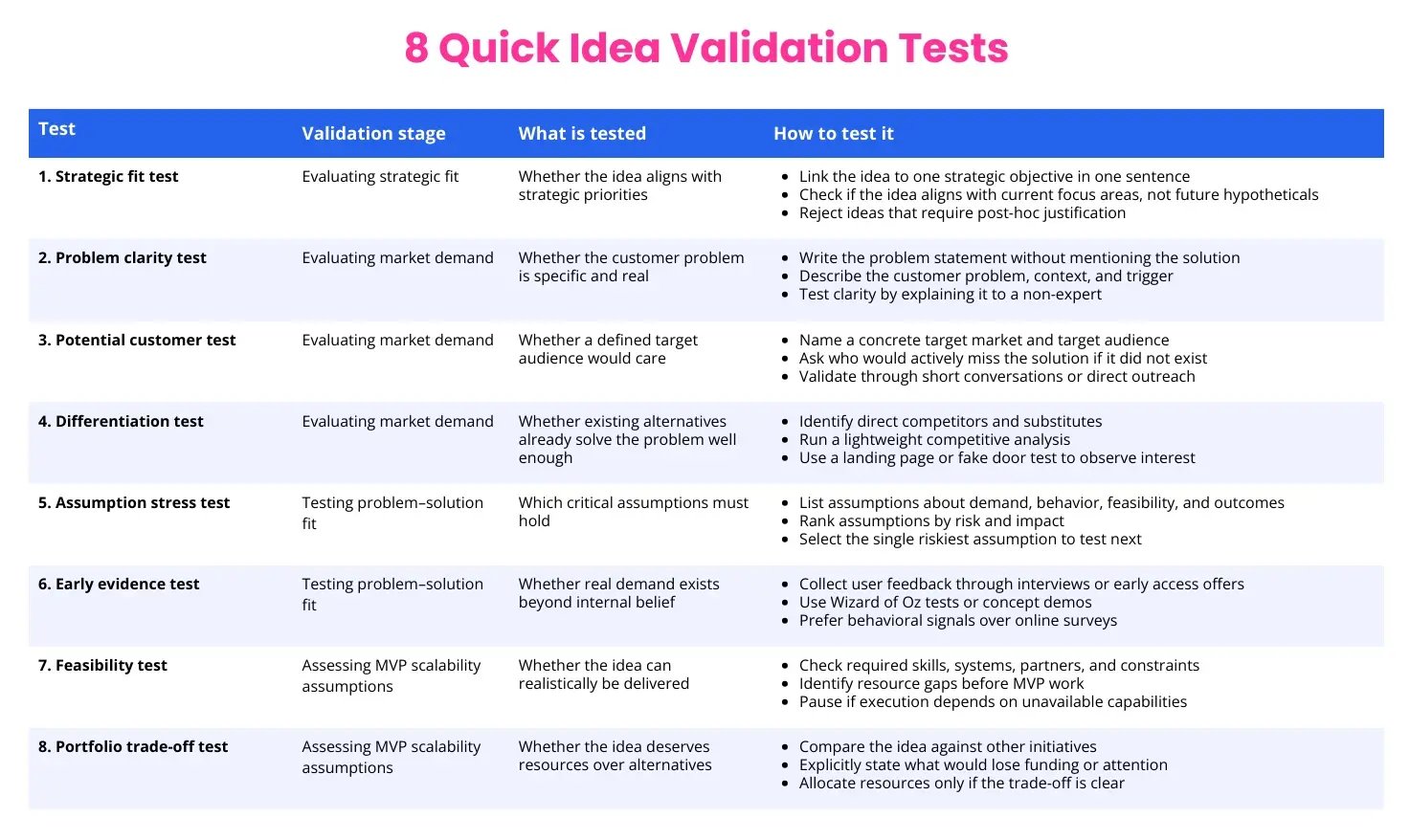
Exhibit 1: 8 quick idea validation tests
Most organizations have more business ideas than they can ever fund, build, or scale. Idea generation is not the constraint of growth. Decision quality is.
The real bottleneck sits between the initial idea and the first significant investment. This is where uncertainty is highest, and information is weakest. Yet this is also where many teams rush forward, driven by momentum rather than evidence.
Fast idea validation exists to close this gap. It provides a structured validation process that helps teams validate ideas early, when change is still cheap, and learning is still fast. Instead of debating opinions, teams test assumptions. Instead of polishing concepts, they gather evidence.
The objective is to reduce risk before resources are committed and expectations solidify.
In this sense, idea validation is a critical step in any serious idea management approach. It shifts attention from idea volume to decision quality. It prioritizes learning over enthusiasm.
The goal is not to find perfect ideas. The goal is to avoid investing in weak ones.
Volume-oriented idea management systems reward quantity. The assumption is that by collecting as many business and product ideas as possible, at least one idea with a unique value proposition must be included.
As the idea volume grows, evaluation becomes shallow. Review boards have no time for thorough reviews and apply consistent idea evaluation criteria. Promising ideas drown in noise. Weak product ideas survive because they are well presented.
This creates a false sense of progress. Teams believe they are innovative because the funnel is full. In reality, risk is accumulating, and actual product ideas are dying unnoticed.
Without a clear idea validation framework, volume increases the coordination cost. Decisions slow down. Resources get allocated based on visibility, not value.
More ideas do not create more business value. Better validation does.
Late idea validation is expensive by definition.
Once a project is funded, teams defend it. Once development starts, assumptions harden into plans. Market research becomes confirmatory. Customer feedback is filtered.
At this stage, invalidating an idea feels like failure. Teams continue despite weak market demand, unclear value propositions, or fragile business models.
The result is predictable. Significant investment is spent to learn what could have been discovered earlier.
Fast idea validation moves learning upstream. It tests demand, assumptions, and feasibility before commitment. That is not caution. That is discipline.
Validating ideas early is the most cost-effective decision an organization can make.
A strong idea validation framework structures decisions under uncertainty.
The purpose of an idea validation process is to test a business idea step by step, with effort proportional to risk. Each phase answers a specific question. Each phase prevents premature investment.
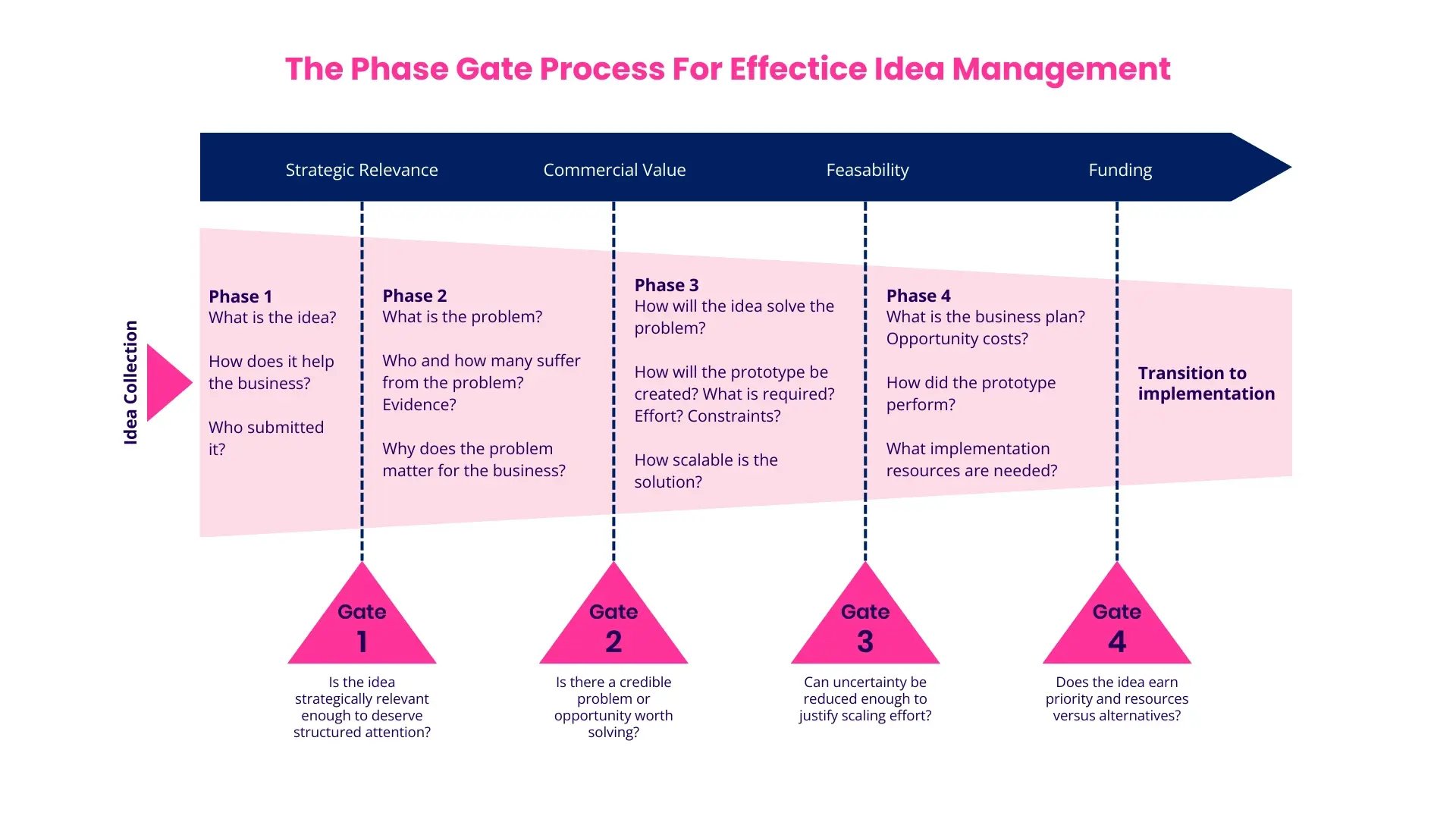
Exhibit 2: The phase gate process for effective idea management
This systematic approach ensures that new ideas are not judged by enthusiasm or presentation quality, but by evidence that matters at that moment in time.
The framework below breaks idea validation into four decision-focused phases. Progression is conditional. If an idea fails early, it should not advance.
The first phase tests alignment, not demand.
Every new idea must clearly support a strategic priority. If an idea aligns only loosely or retroactively, it is not ready for validation. Strategic fit is binary at this stage. This also includes checking for similar ideas.
This phase requires no market research. It requires clarity. Teams should be able to explain why the idea exists and which strategic objective it advances.
Ideas that fail here should stop immediately. Funding ideas that do not align creates noise and distracts from real priorities.
Phase 1 protects focus.
Once strategic fit is clear, the next question is relevance.
This phase tests whether a target market actually experiences the problem the idea claims to solve. The goal is not market sizing. The goal is to confirm that there is enough demand to justify further testing.
Lightweight market research is sufficient. User interviews, expert conversations, and observable industry trends often provide stronger signals than surveys.
At this stage, teams should identify a plausible user base and describe the context in which the problem occurs. If no clear target market emerges, validation should pause.
Demand that cannot be articulated early rarely appears later.
Product market fit is a late-stage outcome. Testing it too early leads to false confidence.
This phase focuses on problem–solution fit. It examines whether the proposed solution could realistically solve the problem better than existing solutions.
Teams should clarify core features and define what makes the idea different. They should identify critical assumptions behind adoption, switching behavior, and perceived value.
Simple experiments are sufficient. A landing page, concept walkthroughs, or early feedback sessions can reveal whether the solution resonates at all.
If users struggle to see value, scaling questions are irrelevant.
The final phase tests whether early success could scale.
An MVP validates learning, not viability. This phase examines the assumptions behind growth, delivery, and economics before significant development begins.
Teams should assess whether the idea could reach a meaningful user base without breaking operational or financial constraints. This is not a full business model exercise. It is a risk check.
This phase often overlaps with the prototyping stage or early testing phase, but its purpose is distinct. It tests scalability assumptions, not usability.
Only ideas that survive all four phases deserve serious investment.
This is how fast idea validation enables better decisions without slowing teams down.
The 8 quick tests translate the idea validation framework into action. Each test targets a specific risk. Together, they form a fast, repeatable way to validate a business idea before serious investment.
These tests do not replace market research, experimentation, or focus groups. They prevent unnecessary research by focusing only on what matters now.
Every product idea must earn its place.
This test asks whether the idea aligns with strategic priorities and current focus areas. If the idea requires a new marketing strategy or capability that is not on the roadmap, risk increases immediately.
Strategic fit is the first gate in any idea validation process. If the idea does not belong in the portfolio, no amount of demand will justify it.
Failing this test early saves time and credibility.
Clear problems enable fast validation.
This test checks whether customer problems can be described without referencing the solution. If teams cannot articulate the problem, testing the market opportunity is premature.
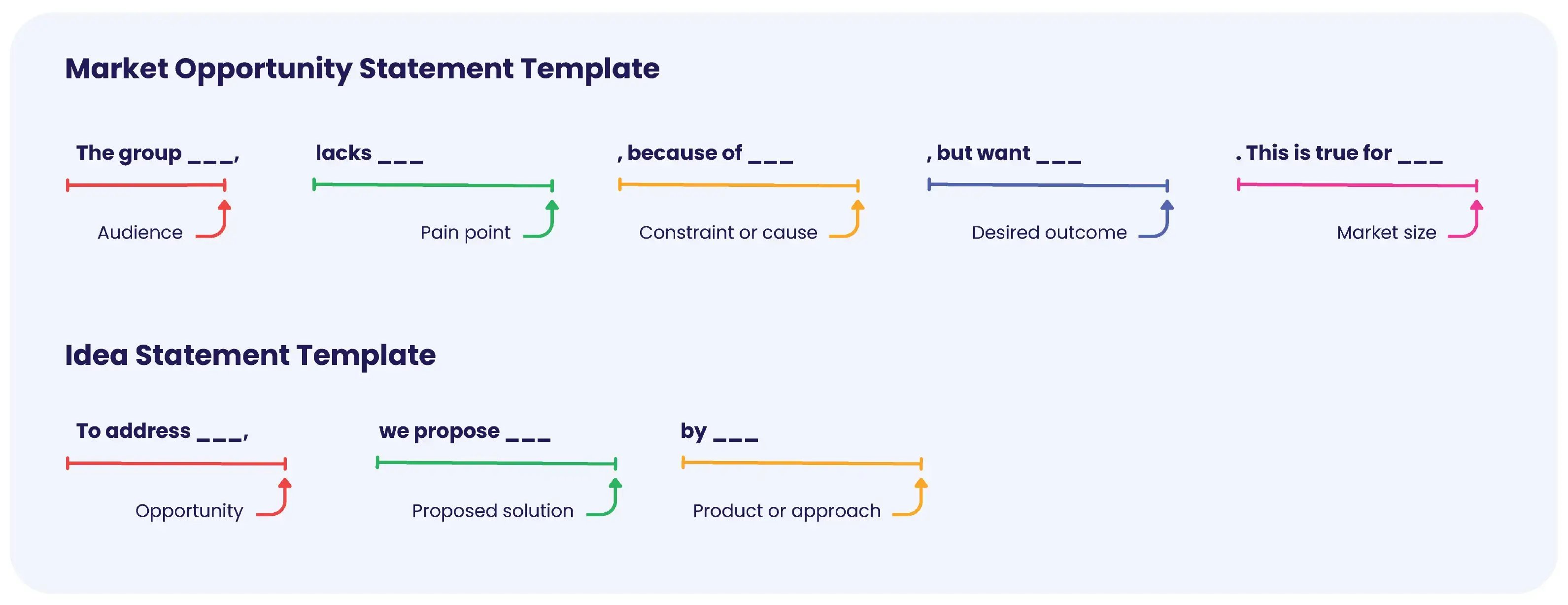
Exhibit 3: Template for formulating an opportunity statement and an idea statement
Vague problems lead to vague validation. Focus groups and targeted surveys often reinforce assumptions instead of challenging them.
The riskiest assumption at this stage is not technical. It is whether the problem is real.
If teams cannot explain the problem simply, the business idea is not ready to advance.
Demand only matters if someone cares.
This test identifies whether a specific group of potential customers would actively notice if the idea did not exist. It forces teams to name the user, context, and moment of need.
Early idea validation benefits from direct contact. User conversations and real feedback outperform aggregated data. Competitive analysis can support this test, but it cannot replace it.
If no group would miss the product idea, real demand is unlikely to appear later.
Most ideas fail because alternatives are good enough.
This test examines whether existing providers already solve the problem satisfactorily. It does not require full market research. It requires honest comparison.
Practical steps include reviewing the competitive landscape, analyzing startup ideas, and observing user behavior. Fake door tests, simple landing pages, or lightweight experiments can indicate interest without building anything.
The goal is not optimization. The goal is to decide whether to start testing or stop.
Ideas that cannot stand out early rarely win later.
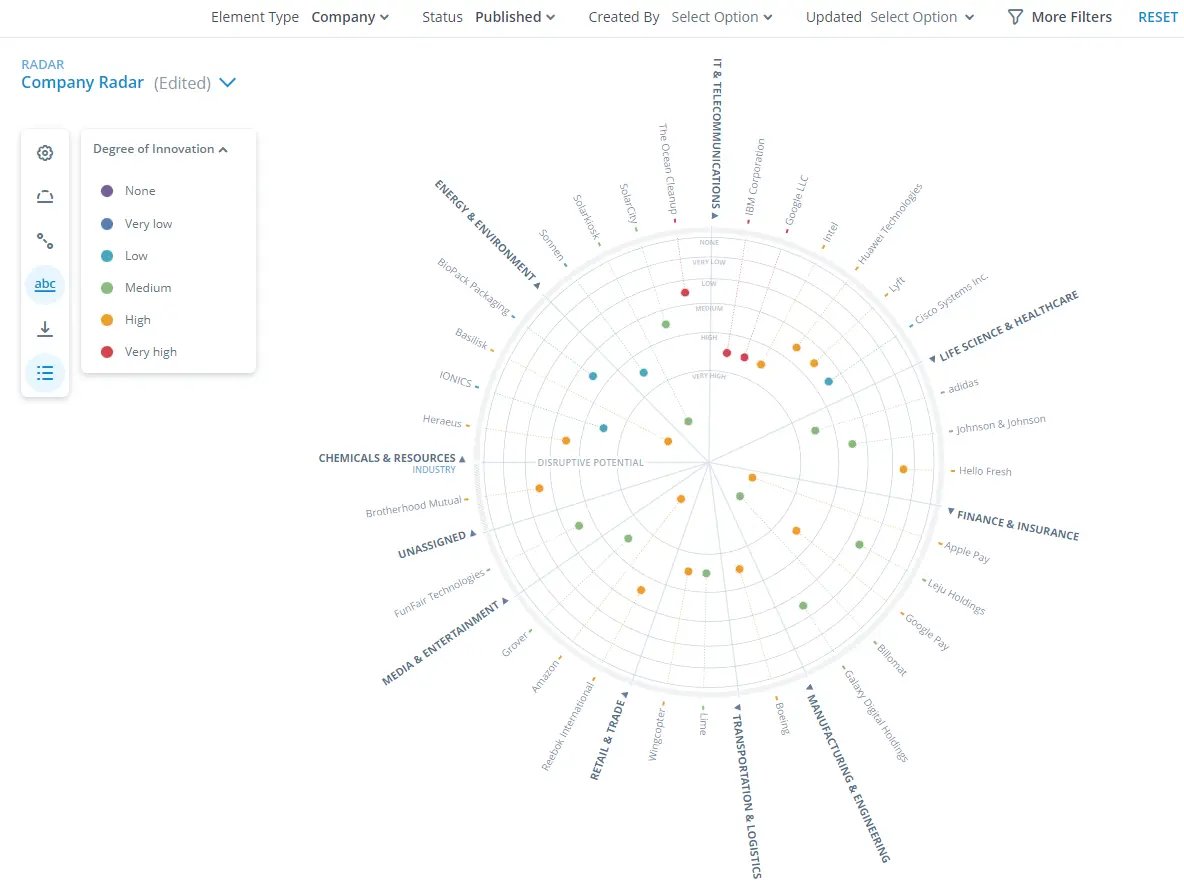
Exhibit 4: A company radar showing the competitive landscape
Every new business idea depends on assumptions. Most remain unspoken.
This test makes core assumptions explicit and ranks them by risk. The goal is to identify the most critical assumption in the validation process. That is where the validation effort should focus.
Assumptions often hide in plain sight. About the target market. About willingness to pay. About adoption speed. About behavior change.
If the most critical assumption cannot be tested quickly, the idea should not advance. Validation that avoids core uncertainty creates false confidence.
Strong idea validation does not reduce all uncertainty. It reduces the right uncertainty.
Evidence does not need to be perfect. It needs to be real.
This test reviews what signals already exist and what can be gathered quickly. User feedback from conversations, early access programs, or simple experiments often provides more insight than formal online surveys.
Wizard of Oz tests, lightweight landing pages, or concept demos can reveal whether early adopters engage at all. The objective is to observe behavior, not opinions.
If users show no interest when friction is low, demand is likely weak.
This test determines whether learning justifies moving forward.
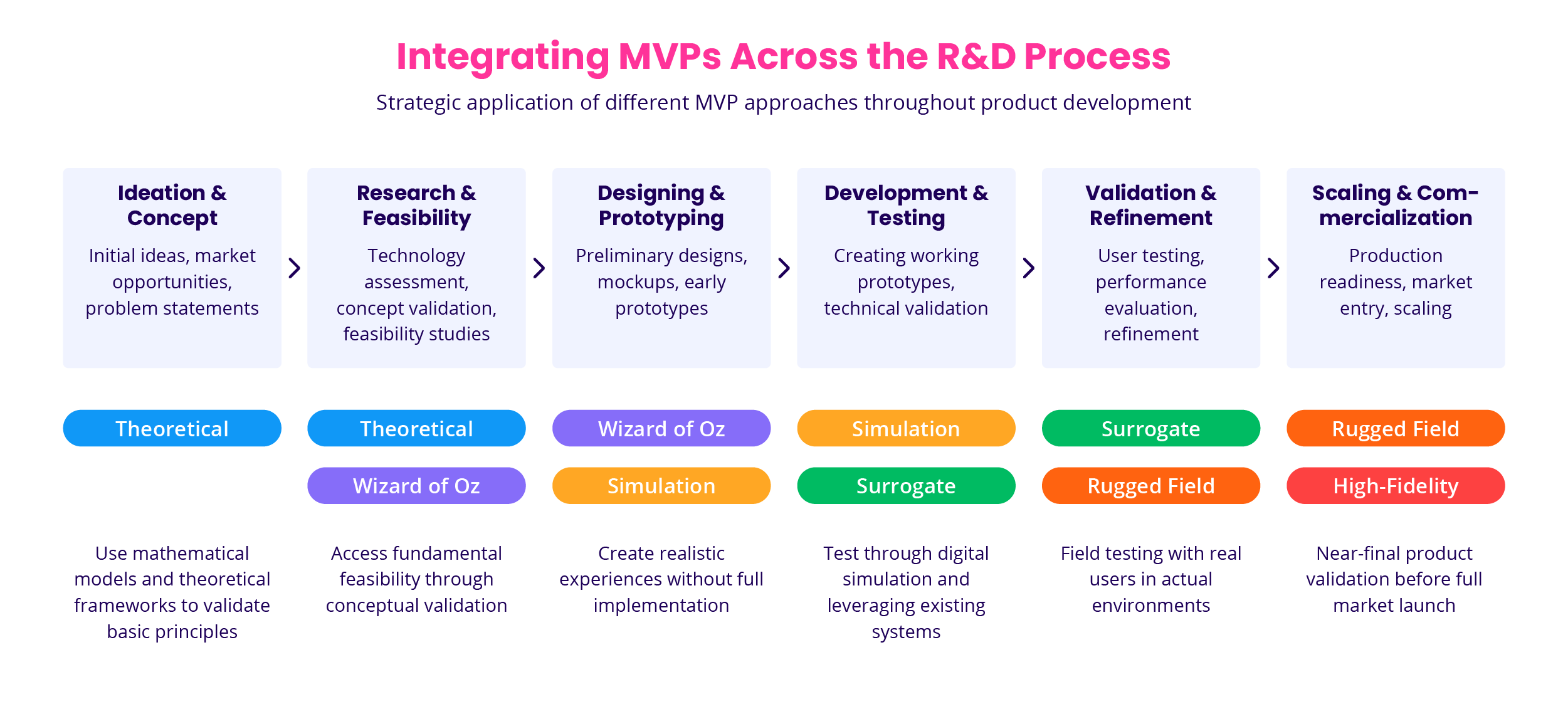
Exhibit 5: Integrating MVPs across the R&D process
Feasibility is not about building something. It is about sustaining it.
This test asks whether the organization could realistically start developing the idea without overextending its capabilities. It checks dependencies, skills, partners, and operational constraints.
If progress requires allocating resources that are unavailable or misaligned, risk increases sharply.
Many startup ideas fail here when they move from concept to execution. Enterprises face the same issue, just at a different scale.
Feasibility problems discovered late are costly. Discovered early, they are manageable.
No idea should be evaluated in isolation.
This test forces a comparison. If this idea moves forward, what does not? Which initiatives lose funding, attention, or time?
If the trade-off cannot be articulated, prioritization is missing. If the idea does not clearly outperform alternatives, it should stop.
This is the moment of conclusion in idea validation. Not because certainty exists, but because enough has been learned to decide.
/Still%20images/List%20Mockups%202025/foresight-prioritize-opportunities-together-2025.webp?width=2160&height=1350&name=foresight-prioritize-opportunities-together-2025.webp)
Exhibit 6: Evaluating and prioritizing ideas with shared table views
Strong portfolios produce business results by choosing fewer ideas and supporting them properly.
Idea validation ends when a decision is made. Not when more data is collected.
The quick tests are not a checklist to complete once. They are a decision system.
Successful idea management applies the tests iteratively as part of the idea validation process. Early tests remove weak product ideas quickly. Later tests guide where to invest learning effort.
Each test reduces a specific risk. Skipping tests shifts risk downstream into the development process, where it becomes expensive.
The objective is consistency, not perfection. Teams should apply the same logic to every startup idea, internal initiative, or new business idea. That is how portfolios improve over time.
Mental tests come first.
Strategic fit, problem clarity, and basic differentiation can be assessed without data. These tests rely on clear thinking, not analysis. If an idea fails here, do not conduct market research.
Analytical tests follow only when uncertainty remains, and decisions carry consequences. This is where teams collect feedback, conduct user interviews, or analyze the competitive landscape.
A lean startup mindset applies. Start testing assumptions with the lowest possible effort. Escalate only when learning justifies it.
Running analytical tests too early slows teams down. Running them too late locks teams in.
Evidence should match the decision, not the ambition.
Early phases require directional signals. A handful of user interviews, short conversations with first customers, or observable behavior can be enough. At this point, observing behavior is more valuable than interviews or surveys.
Mid-stage validation may require lightweight experiments. Landing pages, early access offers, or simple comparisons against existing solutions help clarify demand and value.
Later stages require stronger evidence. Here, teams may conduct market research to test scalability assumptions or adoption constraints. Even then, precision matters less than clarity.
Good enough evidence enables a decision. Anything beyond that is waste.
The tests are designed to produce fast decisions.
If an idea passes early tests but fails later ones, that is progress. Learning occurred before resources were locked in. If a product idea fails repeatedly at the same point, the problem is structural.
Each validation cycle should end with a clear conclusion in idea validation. Proceed, pause, pivot, or stop. Ambiguity is a decision failure.
Final thoughts matter here. Idea validation ends when a choice is made, not when more data is available. Teams need the right tools to capture assumptions, evidence, and outcomes consistently.
That discipline is what separates high-performing portfolios from busy ones.
ITONICS provides the structure needed to make idea validation repeatable and scalable. It captures business and product ideas, connecting them directly to validation criteria, evidence, and funding decisions. Assumptions and outcomes remain linked, creating a clear validation process for ideas from the initial signal to investment.
/Still%20images/Kanban%20Board%20Mockups%202025/ideation-organize-idea-flows-2025.webp?width=2160&height=1350&name=ideation-organize-idea-flows-2025.webp)
Exhibit: Idea board showing an idea pipeline ranked by different criteria
Standardize idea validation: Teams use ITONICS to apply the same validation logic to every product idea. Strategic fit, market demand, and feasibility are assessed consistently. This removes opinion-driven debates and keeps validation focused on what matters.
Turn learning into decisions:
Validation only creates value when it leads to action. ITONICS makes assumptions, feedback, and test results visible across stages. Leaders can see which ideas have earned the right to move forward and which should stop. That clarity improves prioritization and portfolio quality.
Accelerate funding with confidence:
Speed comes from structure. ITONICS replaces fragmented tools with one system for validation and decision-making. Teams validate faster, allocate resources deliberately, and move the right ideas into execution without delay.