



Banking & finance industry trends
Secure returns on new investments by not missing new fintech trends and regulatory changes, maximizing your innovation portfolio for profit, and driving a collaborative culture of innovation with start-ups, employees, and institutions on one central system.

Banking & finance industry trends 2026+
The banking and finance industry navigated 2025 between technological disruption and regulatory reckoning. Interest rate volatility continued with central banks holding rates elevated to contain inflation, compressing net interest margins while deposit competition intensified.
Yet 2025 also marked finance's AI transformation point. Generative AI moved beyond chatbots to revenue generation as trade approvals now occur autonomously, fraud detection evolved from reactive to predictive, and blockchain infrastructure reached institutional scale.
The shift was driven by converging forces: operating costs rising faster than fee income, customer expectations for instant service that branch networks can't deliver, and younger consumers who view traditional banking as unnecessarily complex.
This banking and finance trend report examines the key factors shaping the industry.
Want to explore any trend details?
Interact with the ITONICS Banking & Finance Industry Trend Radar.

New and declining trends for 2026
The trends tracked in this year's report reflect how 2025's embedded finance disruption and cyber threat escalation replaced speculative technologies with operational imperatives. Two trends were replaced as market reality diverged from blockchain enthusiasm and insurance models evolved.
Rise of decentralized autonomous banking systems (DABs) remained largely theoretical as regulatory frameworks, user experience challenges, and institutional inertia prevented meaningful adoption - the technology exists but the use case doesn't yet. Embedded insurance solutions in banking became table stakes rather than innovation as integration became standard practice.
In their place, we've added trends addressing finance's immediate challenges. Green financing and ESG-integrated corporate lending scaled dramatically as banks originated $5.2 trillion in sustainable finance in 2025, and climate risk now affects credit ratings and loan pricing for most commercial lending. Cyber-resilience platforms and AI-driven cyber insurance emerged as critical infrastructure as financial institutions faced 156% more cyberattacks.
One trend received significant updates: AI-driven deal intelligence and scenario modeling expanded beyond M&A simulations to become core infrastructure for investment banking, private equity, and corporate strategy. AI now analyzes thousands of scenarios in minutes, fundamentally changing how deals are structured and valued.
These changes reflect a banking and finance sector where sustainability transitioned from specialty product to core underwriting criterion, where cyber threats required architectural solutions rather than insurance coverage, and where AI moved from analytical tool to decision-making infrastructure that operates at speeds human processes can't match.
Private and Corporate Banking trends
Private and corporate banking is evolving rapidly as technology, social change, and sustainability reshape the industry. Digital tools like blockchain, AI, and digital currencies are changing how banks offer services and connect with clients. Customers want personalized, easy-to-use solutions, while social media and financial education are influencing their choices. At the same time, green financing and sustainability are becoming priorities, pushing banks to offer eco-friendly products and services.
Economic uncertainties, shifting interest rates, and the growth of emerging markets are driving banks to adapt quickly. New models like decentralized finance (DeFi) and crowdfunding are creating both challenges and opportunities. To succeed, banks need to meet changing client demands, embrace digital innovation, and focus on long-term strategies.
We highlight the three most critical private and corporate banking trend developments in the following. Download here the complete list of all 126 trends, affecting the banking and finance industry 2026+.
Green Financing & ESG-Integrated Corporate Lending
Summary: Rising demand for loans and investment in eco-friendly initiatives.
Current Situation: Banks are creating green bonds and loans to fund renewable energy, clean tech, and sustainability-focused SMEs.
Expected Development: Green financing could become a core offering, driven by regulatory incentives and client demand.
Challenges: Evaluating project impact and greenwashing concerns.
Time to Impact: 2-4 years
Potential Impact: Very High
STEEP Segment: Ecological
.webp?width=900&height=459&name=1.Rise-of-Decentralized-Autonomous-Banking-Systems-(DABs).webp)
This year’s trend development
Tokenization of Real Assets for Wealth Management
Summary: Fractional ownership of assets like real estate and art through blockchain will democratize investment.
Current Situation: Tokenization allows physical assets to be divided into digital shares on a blockchain, enabling broader access to investments. Early pilots by banks and fintech companies are enabling clients to invest in high-value assets with minimal capital. These pilots remain small-scale and are primarily aimed at affluent clients.
Expected Trend Development: Over the next 6-8 years, tokenization will expand into mainstream banking services, offering new asset classes for wealth management. Private banks could manage tokenized portfolios for HNWIs, making traditionally illiquid assets more accessible and liquid.
Challenges: Establishing valuation standards, ensuring legal ownership rights, and navigating global regulatory landscapes will be critical for adoption.
Time to Impact: 6-8 years
Potential Impact: Medium
STEEP Segment: Economic
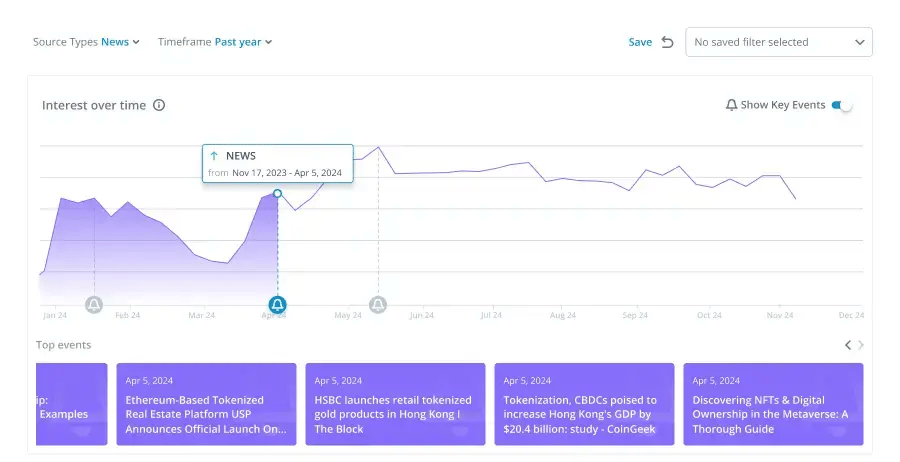
This year’s trend development
Demand for Regenerative Finance Products
Summary: Financing projects that actively restore ecosystems will create new banking opportunities.
Current Situation: Regenerative finance goes beyond sustainability by funding projects that repair environmental damage, such as reforestation, soil regeneration, and biodiversity initiatives. While green bonds and loans are common, regenerative finance is emerging as a niche offering piloted by a few innovative banks.
Expected Development: In the next 6-8 years, this niche could expand significantly as governments and corporations aim to meet net-zero and biodiversity targets. Banks may develop specialized products to attract eco-conscious clients, including HNWIs and corporates.
Challenges: Measuring the impact of regenerative projects and aligning financial returns with ecological outcomes will require new frameworks. A lack of investor awareness and skepticism about returns also poses hurdles.
Time to Impact: 6-8 years
Potential Impact: Medium
STEEP Segment: Ecological
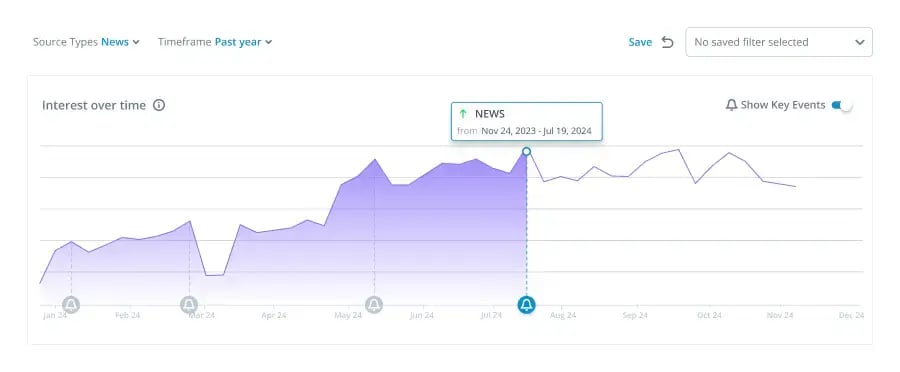
This year’s trend development
Investment Banking trends
The investment banking sector is transforming due to advancements like AI-powered deal simulations, blockchain financing, and climate risk tools. These technologies improve efficiency and support the growing demand for sustainable and socially responsible investments. Green financing and ESG priorities are reshaping product offerings and advisory services.
Globalization of talent and cross-border M&A are driving the need for expertise in diverse markets. However, protectionist policies, stricter regulations, and geopolitical risks challenge deal flow. The rise of sovereign wealth funds and decentralized capital markets underscores the need for localized solutions and long-term strategies.
We highlight the three most critical investment banking trend developments in the following. Download here the complete list of all 126 trends, affecting the banking and finance industry 2026+.
Tokenized Debt Instruments for Enhanced Liquidity
Summary: Tokenization of debt instruments on blockchain platforms will enhance liquidity and accessibility in bond markets.
Current Situation: Tokenized debt is an emerging financial innovation where bonds are represented as digital tokens on blockchain networks. This allows for fractional ownership, faster settlement times, and cross-border trading. Early-stage pilots are being conducted by institutions experimenting with issuing tokenized bonds for corporate clients and governments. Adoption remains limited to small-scale projects due to regulatory uncertainty and technological integration challenges.
Expected Development: Over the next 4-6 years, tokenized debt markets will expand as blockchain technology matures and regulators establish clearer frameworks. These instruments will unlock new pools of liquidity, particularly for smaller investors and global participants, while significantly reducing transaction costs and settlement delays.
Challenges: Regulatory compliance and interoperability between traditional financial systems and blockchain platforms are key hurdles. Investor protection mechanisms need to be integrated to prevent fraud.
Time to Impact: 4-6 years
Potential Impact: High
STEEP Segment: Technological

This year’s trend development
Digital Twin Models for Market Dynamics
Summary: Digital twins of financial markets will enable accurate simulations of deal outcomes and market behaviors.
Current Situation: Digital twin technology creates virtual replicas of physical systems, and its application in financial markets is in the early stages. Banks are experimenting with models to simulate how assets, portfolios, and transactions perform under various scenarios. These tools are primarily used for stress-testing portfolios and predicting market responses to external events.
Expected Development: Within 4-6 years, digital twins will be widely adopted for pre-testing deal strategies, helping investment banks optimize outcomes for clients. These models will be integral for high-stakes decisions, particularly in volatile or unfamiliar markets.
Challenges: Building accurate and comprehensive simulations requires vast amounts of data, robust analytics capabilities, and computational resources. Ensuring these models remain up-to-date with real-world changes is another challenge.
Time to Impact: 4-6 years
Potential Impact: Very High
STEEP Segment: Technological

This year’s trend development
AI-Driven Deal Intelligence and Scenario Modelling
Summary: AI simulating multiple M&A outcomes will optimize decision-making for complex deal structures.
Current Situation: AI tools are being tested to predict post-merger synergies and value creation under different scenarios. These tools analyze historical data, market conditions, and company metrics to provide insights. Adoption is still limited, with manual processes dominating due to trust and accuracy concerns.
Expected Development: Within 2-4 years, AI-driven tools will become essential in M&A advisory, offering real-time scenario modeling and actionable insights. This will streamline decision-making, improve deal success rates, and reduce risks for clients.
Challenges: Ensuring AI accuracy, mitigating biases in data, and overcoming resistance to replacing traditional expertise with automation.
Time to Impact: 2-4 years
Potential Impact: Very High
STEEP Segment: Technological
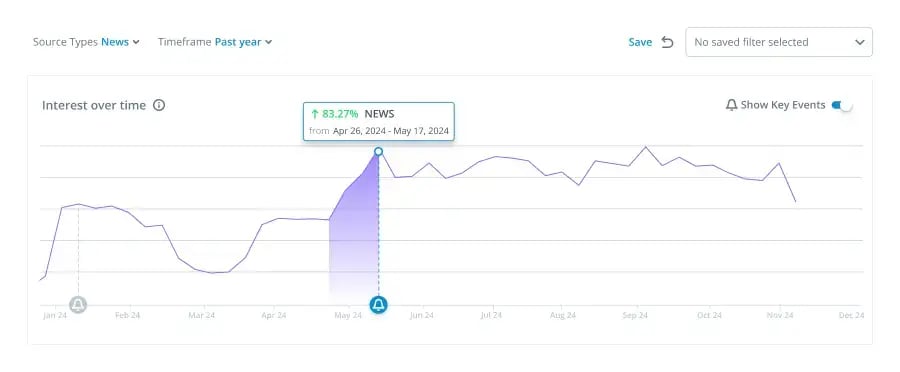
This year’s trend development
Insurance and Risk Management trends
The insurance and risk management sector is rapidly evolving with advancements in AI, IoT, and blockchain enabling faster risk assessment, fraud detection, and claims processing. Changing consumer needs, like demand for digital-first solutions and climate-focused policies, are driving the creation of flexible products for gig workers and businesses.
Economic pressures, including inflation and market volatility, are pushing insurers to refine pricing and develop new offerings, such as digital asset coverage. Stricter regulations on cyber risks and climate disclosures, alongside rising geopolitical tensions, are increasing demand for specialized insurance. These trends are reshaping the industry into a more adaptive and resilient ecosystem.
We highlight the three most critical insurance and risk management trend developments in the following. Download here the complete list of all 126 trends, affecting the finance and banking industry 2026+.
Digital Asset Risk Solutions
Summary: Innovative insurance products for cryptocurrencies and tokenized digital assets.
Current Situation: With the rise of digital assets, insurers are beginning to offer policies addressing risks like wallet theft, smart contract vulnerabilities, and custodial failures. These products remain niche and largely unavailable due to regulatory uncertainty and difficulties in pricing highly volatile assets. Financial institutions dabbling in crypto are exploring bespoke risk solutions through partnerships with insurtechs specializing in digital asset coverage.
Expected Development: Over the next 4-6 years, as regulations mature, insurers will offer standardized policies for digital assets, covering broader risks in decentralized finance (DeFi) and tokenized securities. New products will include fraud protection, operational risk mitigation, and compliance coverage for institutions holding crypto portfolios.
Challenges: Establishing reliable pricing models, overcoming regulatory fragmentation, and managing rapid technological changes in blockchain ecosystems.
Time to Impact: 4-6 years
Potential Impact: High
STEEP Segment: Economic
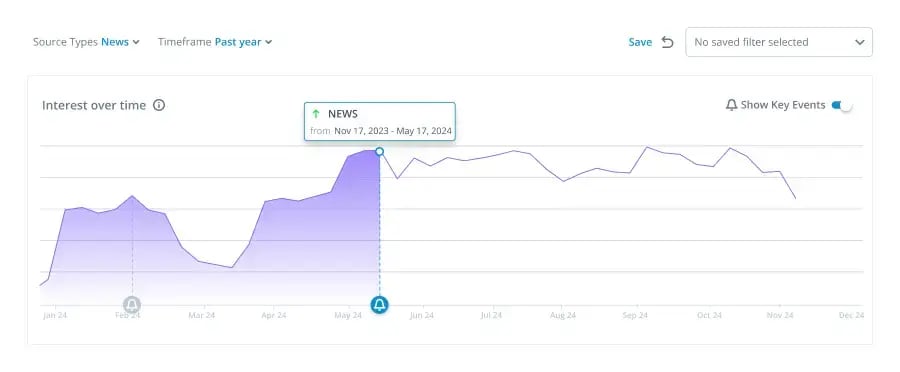
This year’s trend development
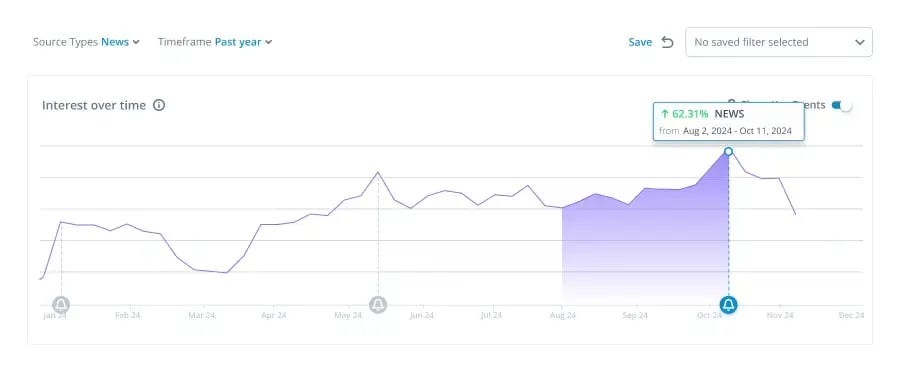
Cyber-Resilience Platforms & AI-Driven Cyber Insurance
Summary: Comprehensive platforms managing cyber risk as digital threats escalate.
Current Situation: Businesses adopt integrated tools that assess vulnerabilities, simulate attacks, and insure against breaches.
Expected Development: The tools will evolve to include AI-driven incident response and tailored cyber insurance packages.
Challenges: Rapidly evolving cyber threats and high costs for SMEs to implement these solutions.
Time to Impact: 2-4 years
Potential Impact: Very High
STEEP Segment: Technological
This year's trend development
Carbon Market Risk Coverage
Summary: Insurance products for risks associated with carbon credit markets, such as fraud and non-delivery.
Current Situation: As carbon markets expand, insurers are beginning to address risks like project underperformance, price volatility, and fraudulent credits. Pilot policies for protecting carbon offset buyers and sellers are emerging, but the market remains nascent. Few standardized offerings exist, and regulations vary widely across regions. Early adopters include institutional investors and multinational corporations seeking to manage risks in their sustainability commitments.
Expected Development: In the next 4-6 years, insurers will develop standardized policies to cover risks in carbon credit trading and offset projects. These will include coverage for non-delivery of credits, fraud protection, and reputational risks tied to ESG initiatives. Integration with emerging regulatory frameworks will ensure wider adoption.
Challenges: Lack of uniform global standards for carbon markets, difficulties in assessing project risks, and pricing coverage in a highly volatile and speculative environment.
Time to Impact: 4-6 years
Potential Impact: High
STEEP Segment: Ecological

This year's trend development
Wealth and Asset Management trends
The wealth and asset management sector is transforming with technology and shifting priorities. Tools like AI and blockchain make managing assets like pension funds and real estate more precise and accessible. Rising demand for ESG-focused investments is driving asset managers to adopt green portfolios and meet stricter regulations.
Economic and political changes, like inflation and tax reforms, are pushing diversification into assets like renewable energy. Generational wealth transfer is increasing demand for digital solutions, while governments promote financial inclusion and regulate digital assets. The sector is adapting to balance innovation, sustainability, and evolving market needs.
We highlight the three most critical wealth and asset management trend developments in the following. Download here the complete list of all 126 trends, affecting the finance and banking industry 2026+.
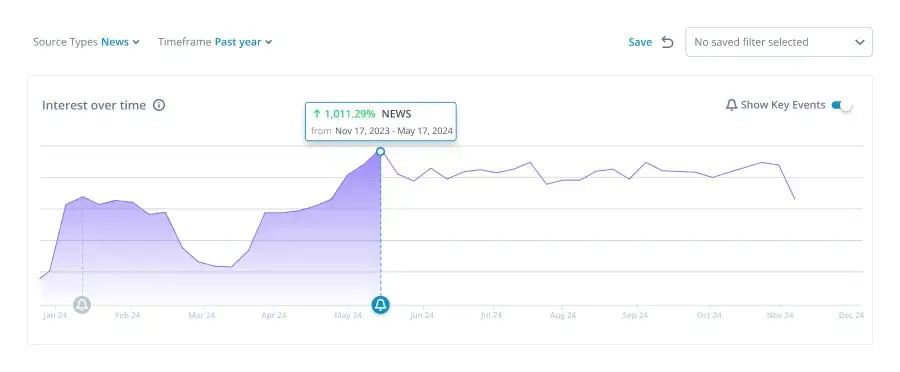
Generational Wealth Transfer
Summary: The transfer of wealth from baby boomers to millennials and Gen Z is reshaping investment strategies and tools.
Current Situation: A significant generational wealth transfer is underway, with younger investors prioritizing sustainability, digital-first platforms, and personalized investment strategies. Traditional wealth managers are struggling to adapt, while fintech platforms are gaining traction by offering tailored, tech-driven solutions.
Expected Development: Over the next 4-6 years, wealth managers will increasingly adopt technology-driven tools to meet the expectations of younger, tech-savvy investors. Sustainable and impact-focused investment options will become standard, alongside enhanced digital engagement tools.
Challenges: Adapting traditional management frameworks to new generational priorities and building trust with younger investors who favor direct, transparent platforms.
Time to Impact: 4-6 years
Potential Impact: Very High
STEEP Segment: Social
This year’s trend development
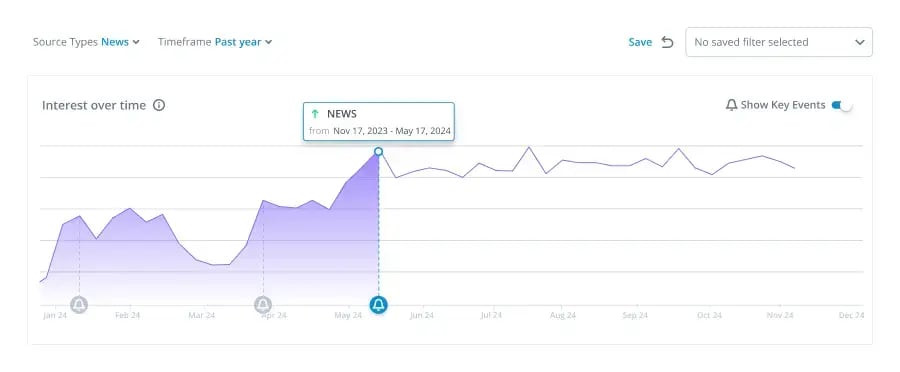
Robo-Advisory Expansion into Real Estate
Summary: Robo-advisors are expanding into real estate, offering data-driven strategies for property investment.
Current Situation: Robo-advisors are primarily used for stock and bond investments but are starting to integrate real estate into their platforms. By analyzing property trends, taxes, and market data, they offer tailored recommendations for both individual and institutional investors. Adoption is still in its early stages.
Expected Development: Within 2-4 years, robo-advisors will become widely used for real estate portfolios, integrating with geospatial analytics and smart contracts to provide end-to-end property investment solutions. This will attract both seasoned and novice investors.
Challenges: Building trust in automated systems for high-value assets and managing complex property-specific variables such as zoning laws and maintenance costs.
Time to Impact: 2-4 years
Potential Impact: High
STEEP Segment: Technological
This year's trend development
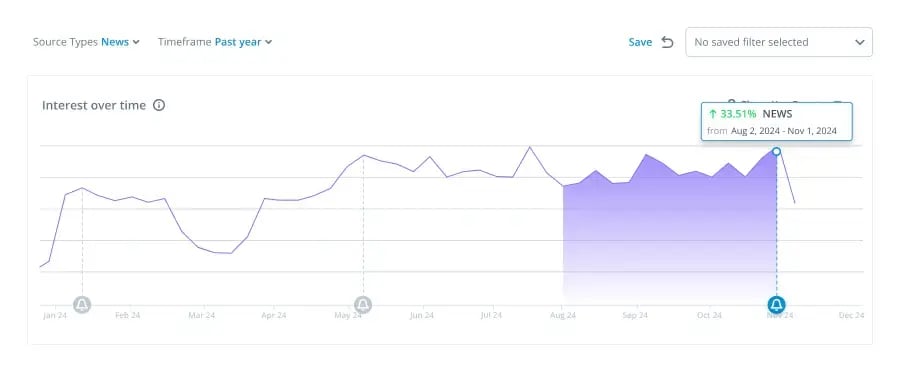
Tokenization of Pension Funds
Summary: Blockchain enables fractional ownership and liquidity in traditionally illiquid pension fund assets.
Current Situation: Tokenization is being piloted for pension funds, allowing fractional shares of fund assets to be traded on blockchain platforms. This improves liquidity and democratizes access to pension fund investments. Current adoption is limited to experimental projects in progressive financial markets.
Expected Development: In the next 4-6 years, tokenized pension funds will gain broader adoption, allowing individual investors and smaller entities to participate in pension markets. This will drive transparency and create new liquidity opportunities.
Challenges: Navigating regulatory frameworks, ensuring secure and compliant platforms, and managing the transition from traditional pension structures.
Time to Impact: 4-6 years
Potential Impact: Very High
STEEP Segment: Technological
This year's trend development
Align your innovation roadmap with banking & finance trends
